Understanding Exhibition Photography Requirements
What Makes Effective Exhibition Images
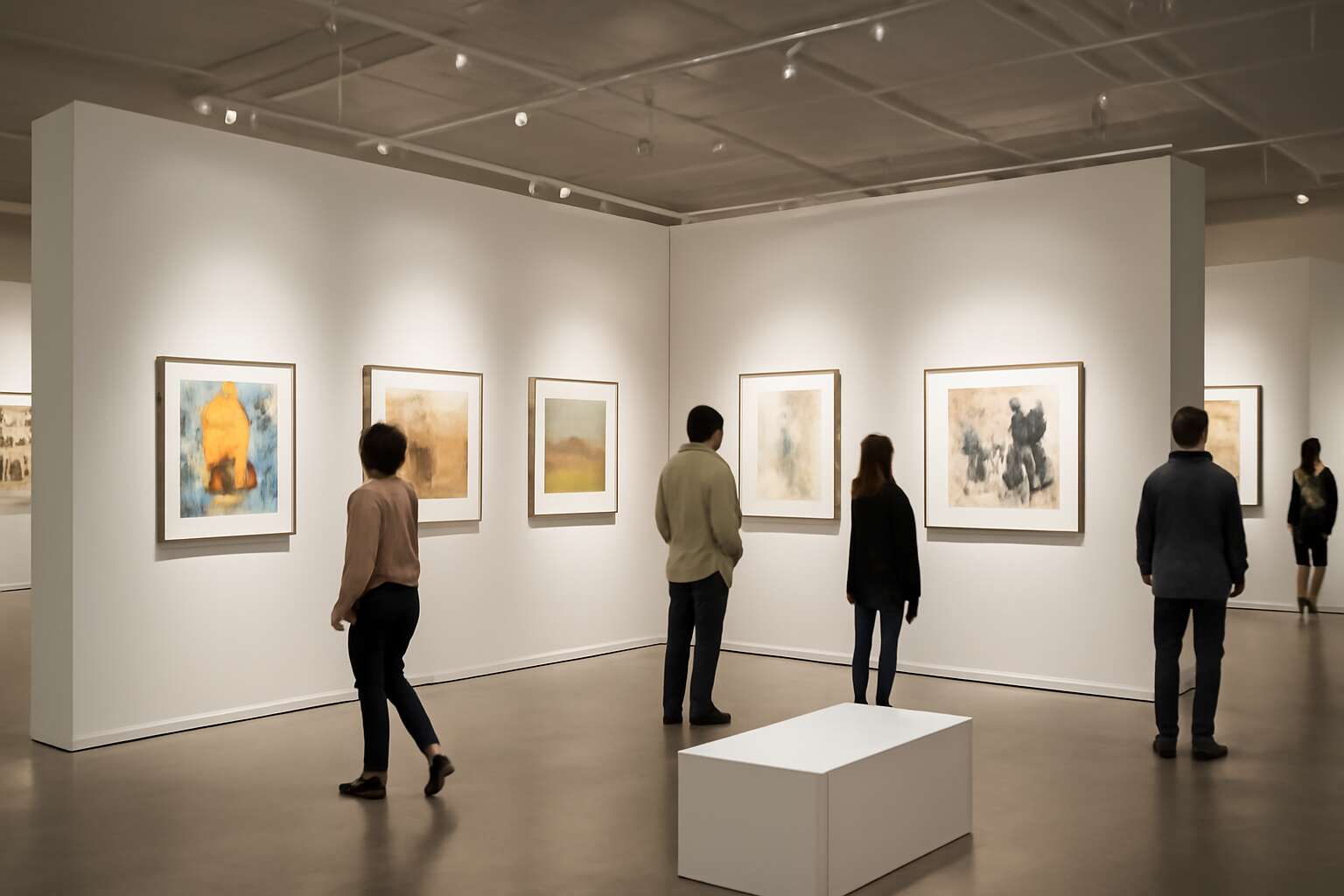
Expo floor chatter is loud and unforgiving; a single image has to seize attention before the next banner does. A picture is worth a thousand words, and in South Africa’s busy trade shows your exhibit speaks in one crystal-clear frame—exhibition display pictures that refuse to blend into the carpet.
Understanding exhibition photography requirements means dialing in light, space, and timing. You want consistent white balance, sharp focus on the main display, and a backdrop that stays out of the frame’s way. Effective exhibition images convey scale, invite audience interaction, and translate smoothly to mobile screens.
Formats and Deliverables for Display Booths
South Africa’s trade show floors hum with colour and noise; a single crisp image can steer a conversation before the next banner arrives. Two seconds into a stand’s life, 60% of visitors decide whether to engage. Those quick judgments live in your exhibition display pictures, speaking volumes in a crystal-clear frame even as the hall roars.
Understanding photography requirements for display booths goes beyond lighting. It means formats, deliverables, and how frames survive across screens and banners. Focus on consistent color space, a resolution that preserves detail, and a composition that keeps the main display in sharp relief without clutter.
Deliverables typically roll up in clear formats that survive the show floor. Consider these:
- High-resolution TIFF or RAW master files for large banners
- Web-optimized JPEGs and PNGs for dash displays and screens
- Print-ready PDFs with bleed and embedded color profiles
Used wisely, the shapes of these files can calm the room before you speak, letting your stand breathe in a crowded hall.
Resolution, Dimensions, and Aspect Ratios
Two seconds into a stand’s life, impressions are formed. Crisp exhibition display pictures steer conversations before banners even arrive. Resolution, dimensions, and aspect ratios aren’t afterthoughts; they shape how the image reads on banners and screens. On South Africa’s show floors, detail wins.
Dimensions govern the read. A consistent aspect ratio keeps the main display sharp from wall to dash display. For print banners, avoid awkward crops; for screens, match the hardware’s geometry. These choices sustain exhibition display pictures across formats.
- Print banners: 4:3 or 3:2 to preserve the main display
- Dash displays and screens: 16:9 or 9:16 to fit common monitor ratios
- Social-ready variants: 1:1 or 4:5 for gallery and social displays
With color space locked and framing clean, the image survives the hall’s roar and keeps the booth legible.
Color Management and Lighting in Exhibitions
On South Africa’s show floors, impressions are minted in milliseconds. Exhibition display pictures become the quiet negotiators, guiding conversations while banners still wait for their cue.
Color management anchors those images across print and screen: a unified color space, steady white balance, and calibrated monitors. This coherence prevents readings that drift with hall light and crowded rooms.
- Color space consistency
- White balance discipline
- Monitor calibration
Lighting in exhibitions is a living variable—mixed temperatures, glare, and relentless banners. Shoot with RAW, preserve details in shadows, and trust colour-friendly post-processing to honor the scene’s truth, so exhibition display pictures stay legible across stands.
These choices resonate through South Africa’s bustling floors, turning a single frame into a welcoming invitation!
Optimizing Images for Display Banners and Booth Graphics
Choosing the Right Image Dimensions and DPI
Exhibitions move faster than a heartbeat. In South Africa’s busiest halls, the first glance seals the deal in about three seconds. A bold image endures; it becomes the quiet architect of memory long after the booth lights fade. exhibition display pictures are more than decoration—they are ethical prompts, guiding perception through the clatter of conversations and noise. I know those three seconds!
Choosing the right image dimensions and DPI is choosing clarity over chaos. Your exhibition display pictures must translate cleanly from screen to print, retaining detail at banner scale and at the inevitable viewing distances. For strong results, consider these factors:
- Viewing distance and banner proportions
- DPI to prevent rasterization
- Color and contrast consistency under exhibition lighting
When done thoughtfully, the images carry the message with quiet authority.
Banner and Poster Image Best Practices
Across South Africa’s busiest exhibition halls, visitors decide in under three seconds; a single image can define a moment, a memory—exhibition display pictures speak in a blink, and the room listens. When banners roll out across a booth, clarity becomes a currency and the brand’s voice finds its rhythm at a glance.
Optimizing for display banners and poster graphics means respecting distance, lighting, and the subtle dance between color and contrast. The eye reads first from the silhouette and type, then from the story behind it; everything must align with the tone and pace of the event.
- Bold imagery must coexist with legible typography from a distance
- Color and contrast should echo the brand’s mood under varied lighting
- Mind margins and bleed as part of the craft rather than afterthoughts
Done well, the visuals carry the message with quiet authority, turning passing glances into lasting impressions.
Maintaining Brand Consistency Across Booth Visuals
Three seconds to capture recognition in South Africa’s busiest exhibition halls—exhibition display pictures carry the room’s gaze, turning space into memory.
In banners and booth graphics, maintaining brand consistency is a quiet, deliberate rhythm—color, typography, and tone align as the eye travels from silhouette to story.
- Unified color palette across banners, posters, and booth visuals
- Typography calibrated for distance readability
- Imagery style that mirrors the brand story
Done well, the visuals carry the message with weight, inviting passersby to linger and recall.
Accessibility, Readability, and Visual Hierarchy
In South Africa’s busiest halls, three seconds is the window to grip a passerby—your exhibition display pictures must cut through the hum with clarity and purpose. Accessibility, readability, and visual hierarchy shape the message even before color lands.
Key considerations for accessibility and readability include:
- High-contrast color combinations to boost legibility from a distance
- Alt text and concise labeling for screen readers and cataloging
- Distinct focal points and generous whitespace to guide the eye
Structure the composition so the eye moves from silhouette to story, using scale, alignment, and cropping to preserve legibility at banner distance. I’ve learned to treat hierarchy as a quiet force that carries your brand through the noise without shouting.
When South Africans walk the floor, crisp, legible imagery turns fleeting glances into lasting memory—your visuals becoming the first impression that sticks in the mind.
File Formats and Compression for Quick Load Times
In the bustle of South Africa’s exhibition halls, your exhibition display pictures must spark attention in a heartbeat. The eye lands first on tone and composition, then on clarity—the difference between a momentary glance and a lasting impression.
Optimizing for banners and booth graphics hinges on smart formats and lean compression, proven to survive movement and glare without sacrificing brand integrity.
- JPEG for rich photography with measured compression
- PNG-24 for logos and graphics with sharp edges and transparency
- WEBP for modern, high-quality banners that load quickly on all devices
- TIFF or high-bit PNG for print-ready assets kept separate from web delivery
Workflow and Tools for Exhibition Imagery
Planning with Shot Lists and Storyboards
Plans precede photos! For exhibition display pictures, a clear workflow keeps ideas aligned from shot lists to storyboards, slashing back-and-forth and minimizing costly reshoots. Before the first click, you map scenes, angles, and sequences, turning ideas into a concrete plan your team can follow on the booth floor.
Key tools keep the process smooth.
- Shot lists aligned to booth zones
- Storyboards and thumbnail pre-views
- Color-calibrated monitors and light meters
- On-site checklists for quick verification
Clear review, archiving, and version control ensure speed and consistency across campaigns. The result? Streamlined production that supports strong, story-led visuals—ready for galleries, social, and print without losing focus.
Editing Pipelines for Cohesive Imagery
In SA’s bustling show floors, one image can spark a booth to life. The claim that edits flow from capture to final render with a single voice rings true, with engagement gains—up to 40%. Workflow and Tools for Exhibition Imagery Editing Pipelines turn scattered frames into cohesive exhibition display pictures. Non-destructive edits, metadata ballast, and version control keep every frame singing from first capture to final print.
Three tools anchor the workflow.
- Non-destructive edits with history
- Color-managed profiles for consistency
- Versioned archives with quick rollback
On the floor, proxies speed decisions while preserving originals. A clean archive and naming keep exhibition display pictures ready for galleries.
Balancing Stock versus Original Photography for Events
In South Africa’s bustling expo floors, the right image can ignite a booth’s energy and a conversation that outlasts the latte line. When teams balance stock versus original photography for events, the workflow becomes a compass: curate imagery that travels well, pair it with bespoke shots, and apply a consistent look across all assets. The result—exhibition display pictures that feel authored by a single voice—lands with authority, whether in catalogues, screens, or print banners.
- Licensing clarity for stock alongside exclusivity for originals
- Mood and color alignment to brand without forcing sameness
- Turnaround efficiency and budget discipline
- Metadata tagging for swift retrieval on shoot days
Balancing these elements lets you hit deadlines with authenticity in every frame, keeping exhibition display pictures confident and coherent.
Color Profiles, Printing Specs, and Print-Ready Deliverables
Booth attention is a currency, and South Africa’s expo floors trade in seconds. In the first eight, a visitor decides whether to linger—and exhibition display pictures set the tone. Calibrated color profiles, balanced lighting, and a unified look turn scattered imagery into a coherent narrative that travels from LED wall to banner with eerie, compelling ease.
Workflow and tools keep that magic intact. The right setup knits color profiles, printing specs, and print-ready deliverables into one rhythm, so fidelity survives the journey from capture to print.
- Color profiles and ICC workflows to preserve mood across screens and prints
- Printing specs including bleed, DPI targets, and substrate considerations
- Print-ready deliverables such as PDF/X-4 or TIFF with embedded profiles
Together, these protocols keep exhibition display pictures confident and coherent in every frame.
Measuring Impact: Using Exhibition Photos to Drive Engagement
Defining KPIs for Visual Content at Trade Shows
More than half of booth visitors remember visual messages after a single encounter, a stat that still turns heads on South Africa’s bustling trade floors. I watch exhibition display pictures become the language of first impressions, translating mood, color, and narrative into lasting resonance.
Measuring impact starts with KPIs for visual content at trade shows. Focus on recall, sentiment, engagement, and the quality of inquiries tied to each image.
- Reach and impressions linked to booth imagery
- Engagement rate per image (likes, shares, comments)
- Lead quality and inquiry flow from booth visuals
In South Africa’s diverse markets, the goal is dialogue—letting images spark conversations that outlive the event.
A/B Testing Booth Visuals and Layouts
In South Africa’s bustling trade floors, more than half of booth visitors remember visual messages after a single encounter, and exhibition display pictures are often the first nudge that starts a conversation. A/B testing booth visuals and layouts reveals what actually sparks engagement and fosters dialogue long after the show ends!
I’ve seen parallel versions of image sets and spatial layouts reveal which combinations spark the most meaningful conversations. Iteration is the compass here—small shifts in framing or color can tilt outcomes more than you’d expect!
The goal is to let the booth tell a sharper story that invites conversation rather than mere attention.
Extending Exhibition Imagery to Social, Email, and Web
In South Africa’s trade floors, a single image burns into memory—more than half of visitors recall a visual message after a single encounter. Exhibition display pictures begin the conversation, a moody spark that hints at stories yet to unfold. When light lingers on form and texture, the image becomes a quiet invitation to linger.
Measuring impact means tracing how resonance travels beyond the booth: from exhibition display pictures to social, email, and web touchpoints. Each channel amplifies tone, frame, and cadence, turning a momentary glance into sustained engagement. Consider these outlets as a living gallery:
- Social feeds across platforms
- Email campaigns with staggered visuals
- Web landing pages and content hubs
Visuals travel with a single, steady voice, surviving the migration from feed to brochure to banner. When the mood remains intact, memory crystallises into inquiry and curiosity—proof that a good image can haunt conversations long after the trade show fades.


0 Comments