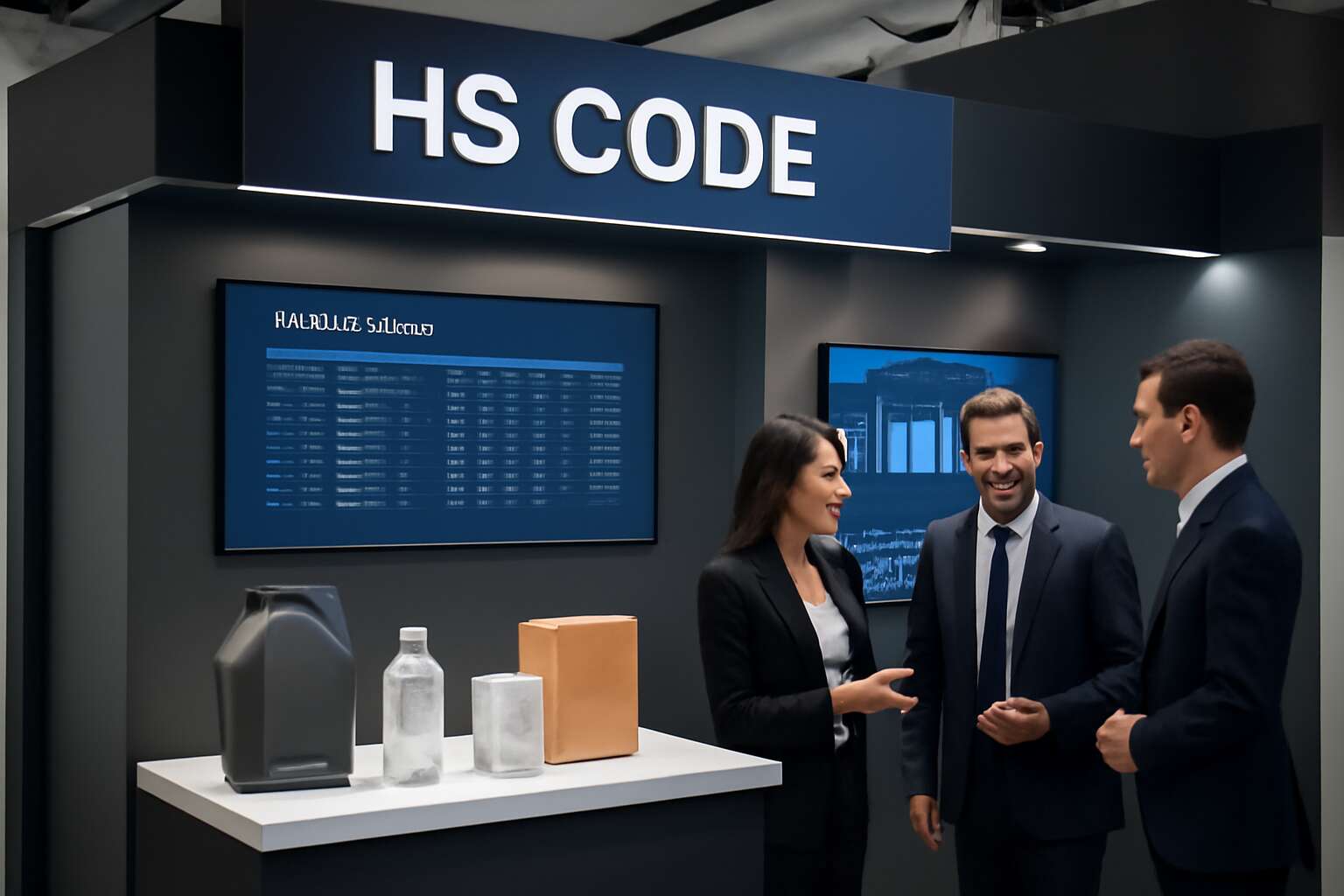
HS code basics for exhibition materials and booth components
What is an HS code and why it matters for trade show booths
A surprising one in three exhibitors face customs delays due to misclassified goods. HS codes are the global language that tells customs what a shipment truly is: a pair of shoes, a display stand, or a lighting rig. For the exhibition booth hs code, accurate classification accelerates clearance, sets duty expectations, and keeps the booth on schedule.
Classification begins with grouping components by function.
- Display panels and modular walls
- Lighting rigs and electrical fixtures
- Flooring, carpeting, and risers
- Furniture, signage, and branding elements
South Africa’s ports and the SA Revenue Service rely on consistent codes; misclassification can trigger delays, charges, or audits. The exhibition booth hs code guides duties and VAT, shaping budgeting and timelines.
In the end, codes are the passport that keeps a show calendar intact, turning a well-designed display into a cosmopolitan, globe-trotting exhibit!
Common HS codes for exhibition stands and fixtures
Border delays aren’t just red tape—the rush of a show can hinge on the right classification. The exhibition booth hs code is the quiet lever that speeds clearance, aligns duties, and protects your schedule.
Codes are practical: they map components by function rather than color or material. Common groupings include:
- Display panels and modular walls
- Lighting rigs and electrical fixtures
- Flooring, carpeting, and risers
- Furniture, signage, and branding elements
In South Africa, precise classification matters for VAT and duties, and it keeps projects moving from dock to display. With clear codes, the stand sails from production to pavilion with fewer surprises.
Distinguishing structural parts from display graphics and signage
A single digit at border can determine speed. In South Africa, a precise exhibition booth hs code can shave days off border checks and smooth VAT handling. The right code speeds duties, keeping the stand on schedule from dock to display. Codes map by function, not by color or material.
- Structural parts: frames, modular walls, flooring, risers, and mounting hardware
- Display graphics and signage: backdrops, banners, logos, branding panels
In SA, misclassifying a frame as a panel can trigger additional duties or audits. Getting the right label for an exhibition booth hs code keeps manufacturing and production aligned with shipping and on-track timelines. The basics: distinguish structural components from branding elements to stay compliant and smooth.
Global variations in tariff classifications for booth equipment
Border queues love ambiguity, and South Africa hates ambiguity more than a power outage at the trade show. A precise exhibition booth hs code can shave days off border checks and smooth VAT handling, letting the stand go from dock to display with clockwork calm. In practice, classifications hinge on function rather than flash—frames are not panels, and a modular wall isn’t a banner shop sign.
Global variations in tariff classifications for booth equipment mean the line items matter as much as the design. To aid consistency, consider these quick principles:
- Classify by function and assembly, not by color or material.
- Describe components clearly to avoid mislabeling during shipments.
- Be mindful of whether items ship as a kit or as separate pieces.
Keep the paperwork aligned with production timelines and export controls, because a well-tagged exhibit keeps the show on air and on track from dock to display.
Steps to verify codes with customs authorities
Across borders, numbers can feel like runes. The right exhibition booth hs code acts as a compass, cutting delays and smoothing VAT at the border. Mastering HS code basics for exhibition materials means reading function and assembly, not just the look—frames, walls, and display graphics must find their true classification.
To verify codes with customs authorities, try this practical path:
- Gather full product specs: dimensions, components, materials, and how it’s assembled.
- Cross-check the official SA tariff classification database and any SARS guidance for your candidate code.
- Provide a clear description on invoices and packing lists, including how items ship (as a kit or as separate pieces).
- When in doubt, request a binding tariff information or a formal ruling from the customs authority.
With the right exhibition booth hs code, the display moves from dock to display with clockwork calm!
Determining the right code for booth components and display assets
Frame and structural materials classification by material type
One misclassified frame can stall a shipment for weeks, turning a slick South African trade show plan into a maze of red tape. Nail the right exhibition booth hs code and your frames, stands, and shelves glide through customs with smoother momentum and fewer unexpected costs.
Frame and structural materials should be classified by material type, because aluminium behaves differently from timber once it hits the border. When you map components to their category, you create a cleaner path for clearance. The basics look like this:
- Frame materials: aluminium, stainless steel, wood
- Panel materials: acrylic, fabric, plywood
- Finish and fittings: powder coating, fasteners, adhesives
Consistent documentation is your ally. Record exact material specs, dimensions, and intended use, and verify with your freight forwarder so that the codes reflect reality rather than memory. A well-tagged booth translates to fewer hold-ups and a swifter route to the show floor.
Display panels, banners, and graphics classifications
Across South Africa, a single misclassified component can derail a shipment, turning a slick trade-show plan into red tape. Regulators demand precise classifications, and a wrong tag can halt movement at the border for days or weeks. The right approach? Nail the exhibition booth hs code for display assets—the panels, banners, and graphics—so they glide through customs with momentum rather than stalling in a queue.
When classification anchors to the asset’s essence, the border reads it as intended. For display panels, banners, and graphics, the structure isn’t just looks—it signals to customs officers what it is and how it’s used.
- Panel materials and construction (acrylic, fabric, plywood)
- Display function and mounting (portable vs fixed)
- Finish and hardware (frames, fasteners, adhesives)
When the exhibition booth hs code aligns with the details, the journey to the show floor stays fluid.
Electricals, lighting, and wiring codes for exhibitions
In South Africa, misclassifying electrical gear for a trade show isn’t merely a nuisance—it can stall a shipment at the border. “The smallest miscode can derail momentum,” notes a seasoned importer, a hard truth in the rush to the show floor. The exhibition booth hs code must reflect actual use: is the lighting portable or built-in? Is the wiring meant for temporary display power or a permanent fixture on the stand?
- Portable display lighting and transformers
- Integrated LED strips and spotlights
- Power distribution units, cables, and adapters
Detail matters: describe wattage, voltage, and safety certifications, and align with South Africa’s standards such as SANS 10142-1. When the exhibition booth hs code matches function and specs, customs read intent clearly and clearance moves with momentum toward the show floor.
Packaging and transport packaging codes for temporary setups
Determining the right code for booth components is a careful art, not a bureaucratic afterthought. Portable fixtures here, built-in glow there—each asset speaks a language of use. The exhibition booth hs code should read the truth: is the lighting a temporary spark or a lasting fixture within the stand? I’ve watched customs respond with momentum when wattage, voltage, and function align, turning a shipment delay into a smooth dance onto the show floor!
Packaging and transport packaging codes for temporary setups are the quiet backbone of a seamless clearance. In South Africa, duty rules echo this rhythm. I map the journey: protect, label, and segregate by purpose so handlers touch only what they should. That discipline travels from booth to packaging, keeping the exhibition booth hs code aligned.
- Protective inner wrapping
- Rigid crates or pallets
- Clear handling marks
Temporary structures and modular systems classification
In South Africa’s busy show circuit, a single well-chosen code can turn delays into doors opening on the show floor. The exhibition booth hs code matters less for size and more for function, a passport for the asset’s journey from stand build to display.
Determining the right code for booth components and display assets hinges on temporary structures and modular systems. Classifying whether an item is a temporary spark or a lasting fixture shapes duties, inspections, and how customs read its purpose.
- Protective inner wrapping
- Rigid crates or pallets
- Clear handling marks
The discipline travels from booth design to packaging, keeping the line clean and the clearance smooth as teams handle only what they should.
Financial impact of accurate HS coding on import duties and taxes
Duty rates by country for booth equipment and materials
South Africa imposes a 15% VAT on most imports, and misclassifications can turn a sleek display into a surprise tax bill. Nail your exhibition booth hs code, and duties and taxes align with reality rather than a clerical lottery. Accurate HS coding boosts cash-flow, not chaos.
Duty rates by country for booth equipment and materials vary wildly, and an incorrect code can flip a shipment from compliant to overtaxed. The right classification keeps landed costs predictable, letting you plan fixtures, graphics, and lighting without the fear of a surprise customs hit.
- Correct classification of frames and graphics to avoid tariff misapplication
- Temporary-import alignment with SA VAT and duties
- Consistent HS codes across suppliers to prevent double taxation
VAT or GST considerations for exhibitors and suppliers
South Africa’s import landscape carries a 15% VAT at the border, a swing that can make or break a booth budget. A single misclassification can turn a sleek exhibition display into a surprise tax bill—yet the right exhibition booth hs code keeps the ledger honest.
When HS codes line up with VAT and duty rules, landed costs stay predictable, cash-flow stays agile, and exhibitors avoid the chaos of reclassifications at customs. In global markets, GST considerations echo the same truth, underscoring the need for disciplined coding across suppliers.
- Predictable landed costs for fixtures, graphics, and lighting
- Reduced risk of overpayment and double taxation
- Cleaner financial records and audit trails
That clarity lets brands focus on the luminous moment of their reveal, not the paperwork that shadows it.
Temporary importation, bond requirements, and carnet usage
That moment of reveal deserves a clean ledger, not a tangle of duties. When the exhibition booth hs code is accurate, duties and taxes land with a predictable rhythm rather than a volatile drumbeat. Temporary importation, bonds, and carnet usage are not mere paperwork—they protect margins and keep the show on schedule. In South Africa, clear coding reduces last-minute holds and surprise VAT recalculations, ensuring cash flow remains steady and the display arrives polished and ready to shine.
Three facets align with finance in this arena:
- Temporary importation supports deferred duties for the show, aligned with the exhibition booth hs code.
- Bond requirements guard the value of fixtures and ensure return of goods.
- Carnet usage (ATA Carnet) accelerates border crossings and reduces on-site paperwork.
Trade agreements and preferential tariffs relevant to trade show shipments
A precise HS code turns duties into a metronome, not a thunderstorm. For South Africa show consignments, the exhibition booth hs code sets the rhythm for duties and taxes, smoothing cash flow and preventing last-minute shuffles—it’s margin protection in motion.
Three facets align with fiscal clarity when trade agreements and preferential tariffs touch trade show shipments:
- AfCFTA tariff preferences reduce duties within Africa’s continental market.
- Regional blocs like SADC/SACU offer duty relief on select booth components.
- Bilateral arrangements with major markets can trim VAT and surcharges at the border.
When these frameworks flex in your favor, margins stay firm and exhibits arrive polished, ready to earn that spotlight!
Documentation that supports correct tariff classification
“Tariffs are a language; the exhibition booth hs code is the dictionary,” a veteran customs broker once told me. In South Africa, getting that code right reframes duties and taxes from chaos into rhythm, keeping budgets lean and schedules intact for show-ready shipments!
Accurate tariff classification rests on robust documentation that travels with the goods: commercial invoices, detailed product descriptions, and precise HS subcodes. This makes the exhibition booth hs code align with border expectations, reducing surprises.
- Commercial invoice with complete seller and buyer details
- Detailed product descriptions aligned to HS subcodes
With such documentation, duties harmonize with market rules, and margins stay resilient as the show opens on cue. The exhibition booth hs code remains the quiet conductor behind the scenes, guiding shipments toward performance!
Operational best practices for accurate tariff classifications
Developing an internal tariff coding guide for events
Tariff accuracy is the heartbeat of hassle-free stand logistics. A clear internal tariff coding guide keeps event shipments flowing, cutting delays at customs. The exhibition booth hs code serves as the anchor for every declaration, from setup kits to display graphics. A seasoned logistics pro in South Africa says, “Clear codes save time, money, and nerves!”
Create a single source of truth for codes. Tag items at purchase, align with supplier invoices, and maintain a cross-functional review before shipments depart. Ensure your team can audit: who changed what, when, and why. The internal guide should cover naming conventions, material classifications, and version control to keep the exhibition booth hs code consistent across events.
Key elements to codify include:
- Code mapping table with cross-references
- Standardized item descriptions and translation rules
- Change-control and archival procedures
- Audit trails and accountability for users
Collaboration with freight forwarders and customs brokers
A seasoned SA logistics pro says, “Clear codes save time, money, and nerves!” For the exhibition booth hs code to stay accurate, collaboration with freight forwarders and customs brokers is non-negotiable. Start early: share your shipment profiles, discuss duty implications, and align on required documents before a crate ever hits the plane.
- Agree on data layouts and what the forwarder needs (SKU, description, HS code, origin).
- Use standardized item descriptions and translation rules.
- Provide complete documentation for the exact classification used by customs.
- Set up regular reviews and versioning so codes stay aligned.
Maintain audit trails: who changed what, when, and why. Ensure the internal guide links to the exhibition booth hs code and that every departure is pre-approved by a cross-functional team. The aim? A smooth flow from dock to demo floor, with minimal red tape and maximal punch at the show.
Using official HS code databases and customs notices
In the lantern-lit calculations behind every exhibit, operational best practices for accurate tariff classifications take shape. Rely on official HS code databases and the latest customs notices to anchor each item in certainty. The exhibition booth hs code is not a murmur in a ledger; it guides decisions, aligns shipments, and quiets the din of border checks with a disciplined, methodical glow.
Cross-check classifications against product descriptions, origins, and material families; let the databases and notices determine the narrative. Maintain a living record—one that binds versions, updates, and who changed what—so the code survives audits and weathering of policy shifts. In South Africa, this quiet rigour becomes an invisible force on the show floor.
Auditing shipments to prevent misclassification and penalties
Audits don’t bluff; they audit. “Tariff codes are the quiet GPS of cross-border commerce,” a veteran freight forwarder likes to say. For South African exhibitors, meticulous classification keeps your exhibition booth hs code from becoming a border-side embarrassment and costly detour.
- Align product descriptions, usage, and specifications with the actual item to anchor the correct tariff narrative
- Confirm material composition, country of origin, and component hierarchy for precise subheading classification
- Maintain a living ledger of code changes, who approved them, and the dates to weather policy shifts
Keep the process lean, transparent, and auditable, and the border checks will feel like a well-timed street performance!
Keeping up to date with changes in tariff schedules
Operational best practices for accurate tariff classifications hinge on governance, not guesswork. A single source of tariff data, clear ownership, and a culture of anticipation keep the exhibition booth hs code steady as tariff schedules flex and borders breathe.
Updates from official customs notices, WTO schedules, and regional amendments become part of normal operations, not a cliff-edge event. Documentation and version tracking support consistency, helping teams stay aligned when new products or packaging appear on the stand.
With this cadence, misclassification risk softens, routine oversight keeps momentum, and the trade-show calendar keeps rolling across South Africa’s port lanes.
Practical steps for exhibitors to implement HS code strategy
Pre-event research and code mapping for all booth elements
A recent customs audit found up to 30% of trade show shipments suffer delays from misclassified items. Embrace the exhibition booth hs code mindset and map risks early—your crew will thank you when the doors swing open on time.
Start with pre-event research and code mapping for all booth elements: frame, graphics, electricals, and packaging. Then lock in provisional HS codes and sanity-check against official databases.
- Inventory every item and container
- Assign provisional HS codes per item family
- Confirm codes with your freight forwarder and customs broker
Keep a dynamic internal tariff coding guide and schedule regular refreshes as tariff schedules shift. Share the file across the team and exhibitors, so everyone is aligned. This discipline, exhibition booth hs code, keeps teams aligned even when tariffs flip.
Labeling and organizing components for easy declaration
Exhibitions operate on pace and perception: when a single mislabeled container holds up clearance, the entire booth misses its first impression. A 30% misclassification rate in some customs reviews underscores the cost of ambiguity. The exhibition booth hs code discipline makes declaration straightforward and timely, especially for South Africa’s cross-border shipments.
Labeling and organizing components for easy declaration can be practical and elegant.
- Label each item with a clear family descriptor (frame, graphics, electrical) and the provisional HS code.
- Attach durable, color-coded labels to containers and pallets to reveal contents at a glance.
- Keep a single, shareable manifest linking item IDs to HS codes and essential documents.
- Digitize updates so tariff shifts reflect across all teams instantly.
Through disciplined labeling, every piece gains clarity, helping teams navigate customs with confidence and keep the doors open on schedule.
Border and customs documentation preparation
A 30% misclassification rate in customs reviews underscores the cost of ambiguity for South Africa’s cross-border shipments; the lesson lands with elegant force on the trade show floor. The exhibition booth hs code is not just a file—it is a compass guiding fast, fair clearance and a compelling first impression.
In practice, labels should speak clearly, a single manifest keeps items in step, and tariff shifts should be digitized so the entire team moves as one.
- Clear family descriptors with provisional HS codes on every container.
- A single, shareable manifest linking item IDs to HS codes and documents.
- Digitized updates that reflect tariff shifts across all teams instantly.
When these elements align, the booth opens with confidence and stays on schedule, letting the spotlight stay on your message.
Post-event duty reclamation and cost analysis
In South Africa’s post-show arithmetic, the real cost often hides in misclassified duties rather than glamorous stand hours. A 30% misclassification rate in customs reviews isn’t a rare anomaly—it’s the quiet bill that follows a well-lit booth. The exhibition booth hs code becomes the quiet negotiator of post-event numbers, guiding refunds, redeclarations, and clean audits with stubborn pragmatism.
- Review post-event manifests against final duty invoices to spot gaps in HS mapping and keep the ledger honest.
- Link item IDs to the exhibition booth hs code in a shared database so reuse is painless at future shows.
- Run a cost analysis across duties, freight, storage, and carnet-related charges to illuminate opportunities for optimization.
Smart post-event processing turns data into leverage, preserving margin and keeping your message crisp for the next hall-wide moment.
Templates and tools to streamline HS coding workflows
South Africa’s post-show arithmetic is rarely about glamorous stand hours; it’s the quiet duties that steal margin. A 30% misclassification rate in customs reviews isn’t a legend—it’s the subtle surcharge that tracks a well-lit booth. The exhibition booth hs code acts as a steady compass, guiding refunds, redeclarations, and clean audits with pragmatic certainty.
To turn that compass into a usable toolkit, assemble practical templates:
- HS Code Mapping Template for booth elements
- Item ID to HS Code Linkage Sheet
- Shared Database Schema for Exhibit Components
- Code Validation Checklist (Pre-Show)
- Post-Show Duty Reconciliation Worksheet
Templates paired with lightweight tools—cloud folders, versioned documents, and a simple tagging system—keep the exhibition booth hs code consistent across future shows, smoothing workflows and reducing surprises at the border. The result is a more confident narrative in every hall and a margin that travels as smoothly as your display lighting.




0 Comments