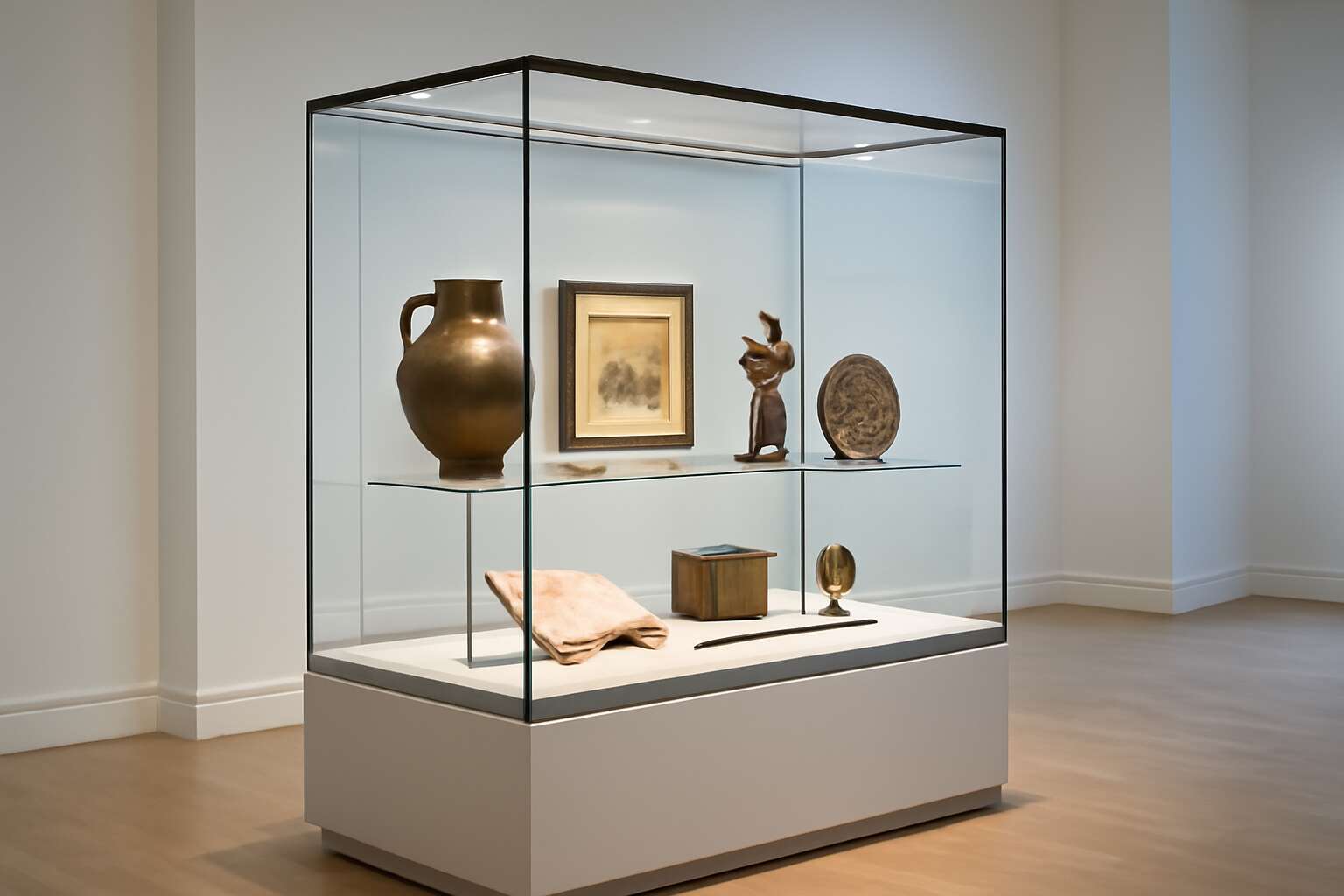
Overview and Benefits of Exhibition Display Solutions
What constitutes a display case for exhibitions?
A single object, lit just so, can bend a room’s mood. Across South Africa’s galleries, controlled lighting and crafted mounting lift stories from stone and glass. Recent studies suggest that controlled lighting can increase dwell time by up to 40%—a reminder that the exhibition display case is not merely a container but a narrative device. It fuses beauty with restraint, turning quiet halls into chapters readers linger over, and it keeps history safe while inviting wonder!
In essence, a display case should harmonize protection with presentation. A well-chosen model considers materials, lighting, security, and accessibility, shaping how artifacts speak to visitors, and the right configuration for an exhibition display case preserves integrity while inviting curiosity.
- Tempered glass or acrylic with UV filtration
- Vandal-resistant frames and locking mechanisms
- LED illumination with glare control
- Adjustable shelving for varied artifacts
Key benefits for curators and visitors
A well-crafted exhibition display case doesn’t just guard artifacts; it invites visitors to step into a layered story. In South Africa’s galleries, controlled lighting and precise mounting lift quiet objects into living dialogue—dwell times can rise by up to 40% when the environment is tuned just right.
Overview and benefits unfold for both curators and visitors. For curators, these systems offer reliable protection, adaptable presentation, and a framework for rotating narratives without compromising integrity. For visitors, clear sightlines, thoughtful context, and a serene atmosphere encourage lingering curiosity.
- Prolonged engagement by guiding focus and mood
- Secure, manageable protection that travels with exhibitions
- Accessible viewing that welcomes varied audiences
Ultimately, an exhibition display case blends beauty with restraint, turning galleries into living classrooms where history speaks softly yet with conviction.
Materials and construction basics
Across South Africa’s galleries, a well-balanced exhibition display case does more than guard artefacts; it invites stories that breathe and linger. When lighting and mounting align, dwell times rise—by as much as 40%—and visitors move through layered narratives with ease.
Overview and Benefits unfold for curators and visitors alike. These systems offer reliable protection, adaptable presentation, and space for rotating narratives, all while maintaining a serene gallery rhythm that invites curiosity.
Materials and Construction Basics: From tempered glass to UV-filtering laminates, the build dictates clarity, security, and durability.
- Tempered or laminated glass with UV filtering
- Aluminium or steel framing for lightness and resilience
- Locking hardware and modular mounts for easy reconfiguration
With these choices, objects stay accessible yet safeguarded, ready to tell their stories to each new audience.
Design trends shaping modern exhibition enclosures
Across South Africa’s galleries, an exhibition display case acts like a quiet storyteller, inviting visitors to linger with intention. In 2024, dwell times rose by up to 40% when lighting, mounting, and rhythm aligned with narrative flow. It becomes more than containment; it’s a living frame that breathes life into artefacts, guiding eyes and memory through layers of context with calm, respectful authority.
- Modularity that reconfigures for rotating narratives, keeping spaces fresh without crowding walls
- Integrated lighting that sculpts texture while preserving ambience and preventing glare
- Materials chosen for tactility and resilience—anti-reflection glazing, UV protection, smooth mounts
For curators and visitors alike, these design trends deliver reliable protection, adaptable presentation, and space for rotating narratives, all while preserving a serene gallery rhythm that invites curiosity and everyday wonder.
Types and Configurations of Exhibition Display Cases
Glass display cases for visibility and security
Across South Africa’s galleries, a well-lit, securely locked exhibition display case turns a hurried glance into a lasting impression. One study notes visitors linger up to 30% longer when visibility is crystal-clear and security measures are reliable.
Types and configurations vary from freestanding towers to wall-mounted cabinets and corner units, all designed for visibility and theft deterrence.
- Freestanding towers for flexible layouts
- Wall-mounted cases to conserve floor space
- Corner units that capture high-traffic sightlines
These layouts adapt to corridors, foyers, and compact galleries across SA.
Glass choice and lighting play a security role too. A robust case uses tempered or laminated glass, UV-filtering coatings, and glare-free illumination to protect what matters while keeping the object in focus.
- Locking mechanisms and tamper-resistant hardware
- Anti-reflective and UV-filtering glass
- Integrated lighting with temperature control where needed
Acrylic and polycarbonate options for lightweight setups
Across SA galleries, an exhibition display case is more than glass—it’s a bridge between memory and moment. When light catches its edges, an ordinary object becomes a story. Acrylic and polycarbonate options for lightweight setups expand where and how these stories travel, easing transport from town to town.
Here are the standout traits these materials bring to exhibit spaces:
- Featherweight frames that slash transport and setup time
- Excellent clarity and easy maintenance for pristine viewing
- Solid impact resistance, ideal for high-traffic venues
They deliver a surprising blend of strength and subtle elegance, letting curators rearrange relationships between artefact and audience without burdening staff or budgets. In busy corridors and quiet foyers alike, these lightweight enclosures support engagement, yet keep the focus where it matters most.
Lockable and climate-controlled options for priceless artifacts
Across South Africa’s galleries, visitors decide within seconds what to linger over. Exhibition display case turns that gaze into a lasting dialogue, a conduit between artifact and moment. A curator once said, “The case is the bridge between memory and moment.”
Types and configurations include freestanding vitrines, wall-mounted enclosures, island units, and corner cabinets. Each setup supports sightlines, security, and visitor flow while letting staff arrange exhibits with ease.
- Lockable hardware and tamper-evident security
- Double- or triple-glazed glass with UV filtration
- Integrated microclimate with data logging
For priceless artifacts, lockable doors with discreet hardware and digital access, plus climate-controlled options, matter. Microclimates, humidity control, UV filtering, and data logging protect delicate materials while keeping viewing pristine.
In SA spaces, these features align with light and dust realities, letting priceless objects converse with audiences without distraction; the exhibition display case stands guard against sun and dust.
Freestanding versus wall-mounted display options
Across South Africa’s galleries, attention is seized in moments, and an exhibition display case becomes the stage where memory leans toward dialogue. Freestanding vitrines invite roaming conversation and tactile wonder, while wall-mounted enclosures sculpt channels for sightlines and circulation. In this spectrum, placement decides tempo and mood.
- Freestanding vitrines offer a flexible floor plan, easy rearrangement, and a theater-like presence that invites interaction.
- Wall-mounted enclosures create clean sightlines, minimal floor footprint, and enhanced conservation through stable mounting.
- Hybrid configurations blend mobility with architectural alignment for seamless visitor flow.
These configurations respond to South Africa’s sun and dust realities, letting priceless objects converse with audiences while staff choreographs exhibitions with confidence.
Modular and portable display solutions for rotating exhibits
“Rotation is memory in motion,” whispers a SA curator—a reminder that space is a partner in storytelling! Modular and portable display case solutions transform shifting programs into deliberate choreography, turning every transit of objects into a dialogue with viewers.
These configurations include lightweight, flexible pieces designed for quick setup and breakdown. They allow rotating exhibitions to travel between venues without losing continuity. Consider these options:
- Modular towers that stay upright and look coherent in varied spaces
- Rolling pedestals for quick reconfiguration
- Collapsible frames for off-site transport
In practice, the right mix preserves sightlines and protects artifacts, while inviting fresh interpretations as audiences circle the space. An exhibition display case becomes a portable stage for memory, adaptable to venues from urban galleries to regional museums.
How to Choose the Right Display Case for Your Exhibition
Assessing space, lighting, and foot traffic
An exhibition demands a sentinel as much as a showcase: the right exhibition display case acts as a weathered gatekeeper between artifact and gaze. Space becomes a living map—width, alcoves, and flow shaping what can be shown with dignity. I measure the room as if charting a tomb, noting where a case will breathe, where it will stand under quiet light, and where it will invite careful steps and slow breaths!
- Spatial footprint and wall height
- Lighting quality and glare control
- Foot traffic, sightlines, and queuing space
Choose thoughtfully to honor the room’s mood and the artifacts entrusted to its care. The right case will glow with restraint, guard with calm, and welcome viewers as they drift along the gallery’s quiet corridors. In South Africa’s vibrant venues, each room has a soul—let the case listen before you speak.
Security, climate control, and anti-theft features
“A display case is a quiet guardian,” whispers a seasoned curator, and the numbers back the sentiment—precious artifacts shine safest when watched by glass and intention.
To choose the right exhibition display case, balance security, climate control, and anti-theft features with your room’s rhythm. Consider whether you need discreet locking, tamper-evident seals, and reinforced hinges; tilt the case toward gentle illumination and robust durability; and ensure sensors or alarms integrate with your gallery’s workflow.
- Tamper-evident seals, high-security locks, and anti-pry hardware
- Climate control options with data logging for humidity and temperature
- Integrated alarms or sensors and secure mounting to deter handling
In South Africa’s venues, where dust and bright light meet fast footfall, the right choice preserves legacy while inviting attentive viewing in a calm, controlled climate.
Budget considerations and total cost of ownership
A single glance can cost a fortune if the wrong choice is made; a curator once quipped, “The price tag says one thing, the life of the display is another.” The total cost of ownership for an exhibition display case stretches beyond the sticker price, threading through installation, energy needs, climate-control compatibility, servicing, and the promise of future upgrades.
To frame value, consider these cost components as part of a single, living narrative:
- Purchase price and delivery
- Installation and mounting hardware
- Operating energy and climate control
- Maintenance, parts, and warranties
- Future refurbishment or upgrades
- Disposal and decommissioning costs
In South Africa’s venues, budget conversations that honor total cost of ownership translate into years of reliable display and quiet authority. The exhibition display case becomes a steward of legacy, aligning budget with durability, service, and respectful illumination.
Vendor selection, warranties, and after-sales support
A sharp vendor choice can save more than money; it can save a show. “The right partner makes the artefact feel at home,” a veteran curator once said. In South Africa’s venues, vendor reliability translates to fewer interruptions and more dignified display experiences.
When selecting a supplier for an exhibition display case, treat the acquisition as a long-term relationship. This is where the selection criteria matter most. To keep it simple, evaluate these criteria before signing a contract:
- Track record and lead times
- Warranty terms and coverage
- After-sales support and service network
- Spare parts availability and response times
Set clear SLAs, insist on staff training, and ask about refurbishment options to extend life. With a solid warranty and reliable after-sales, your case becomes a quiet anchor of the exhibit rather than a risk.
Setup, Maintenance, and Best Practices
Installation guidelines and mounting options
Setup matters: a mislevelled exhibition display case can derail a display before visitors notice. Place the unit on a true plane, secure anti-tip hardware, and route cables neatly. In busy South African venues, add surge protection and lockable doors to deter tampering while preserving a clean sightline.
Maintenance is straightforward. Wipe with a soft cloth, check seals and humidity controls, and monitor lighting for even spread. Regular hinge checks and shelf adjustments prevent stress on fragile pieces and keep the show looking sharp.
Best practices installation emphasize lighting, airflow, and mounting options. Choose freestanding or wall-mounted configurations based on space and foot traffic. If mounting, use wall studs, level mounts, and cable management clips; include a securable access panel for quick changes.
- Position on a level plane, away from direct sun
- Secure to structural elements with appropriate anchors
- Route cables through grommets and seal to manage humidity
Cleaning, preservation tips, and routine maintenance
A level, well-lit exhibition display case is the quiet anchor of a great exhibition. In South African venues, a unit set on a true plane, secured with anti-tip hardware, and cables routed with care becomes invisible theatre—letting the artifacts speak. Position away from direct sun, keep sightlines clean, and let the story emerge without the hardware shouting.
Maintenance is straightforward: wipe with a soft microfiber, check seals and humidity controls, and monitor lighting for even spread. Regular hinge checks and shelf adjustments prevent stress on fragile pieces and keep the show looking sharp.
Best practices and preservation begin with routine maintenance. The following points support the longevity of the exhibition display case:
- Surface care with microfiber preserves clarity and elegance.
- Locks, hinges, and latches offer longevity when their condition is considered.
- Gaskets and humidity controls guard against condensation and fogging.
- Material rotation supports a balanced narrative and reduces light exposure risk.
Lighting strategies for enhanced visibility and color fidelity
The setup of an exhibition display case is the quiet stage where light breathes life into artifacts. Plan for even illumination, precise distance, and complementary mountings so every nuance—fabric weave, glaze, pigment—reads as intended, not as a shadow. When the frame is correct, the story starts to whisper.
Maintenance keeps that promise. Gentle cleaning of surfaces and diffusers preserves clarity; check for flicker, secure cables, and ensure controllers stay aligned with the curator’s vision. A well-kept lighting system ages with grace, never betraying the object under its glow.
Best practices for lighting balance visibility and color fidelity. To guide your choices, consider this quick guide:
- High-CRI LED fixtures (CRI 90+) for true tones
- Color temperature around 4000–4500K for neutral daylight
- Diffusers and anti-glare shields to prevent hotspots
When tuned, light becomes a mindful narrator.
Customization and accessories to maximize impact
In South Africa’s galleries, setup is the quiet stage where light breathes on artifacts. An exhibition display case deserves thoughtful spacing, keeping the fixture at the right distance for even glow and avoiding hotspots so fabrics, glazes, and pigments read as intended.
Maintenance keeps that promise. Gentle cleaning of surfaces and diffusers preserves clarity; check for flicker, secure cables, and ensure controllers stay aligned with the curator’s vision. A well-kept system ages gracefully, never betraying the object under its glow.
Best practices for customization and accessories balance impact with restraint. In an exhibition display case, the right mix of framing, mounts, and accessories can extend readability without shouting. Consider these options:
- Modular panels for flexible layouts
- Low-profile lighting rails with integrated diffusers
- Tamper-evident locks and climate sensors




0 Comments