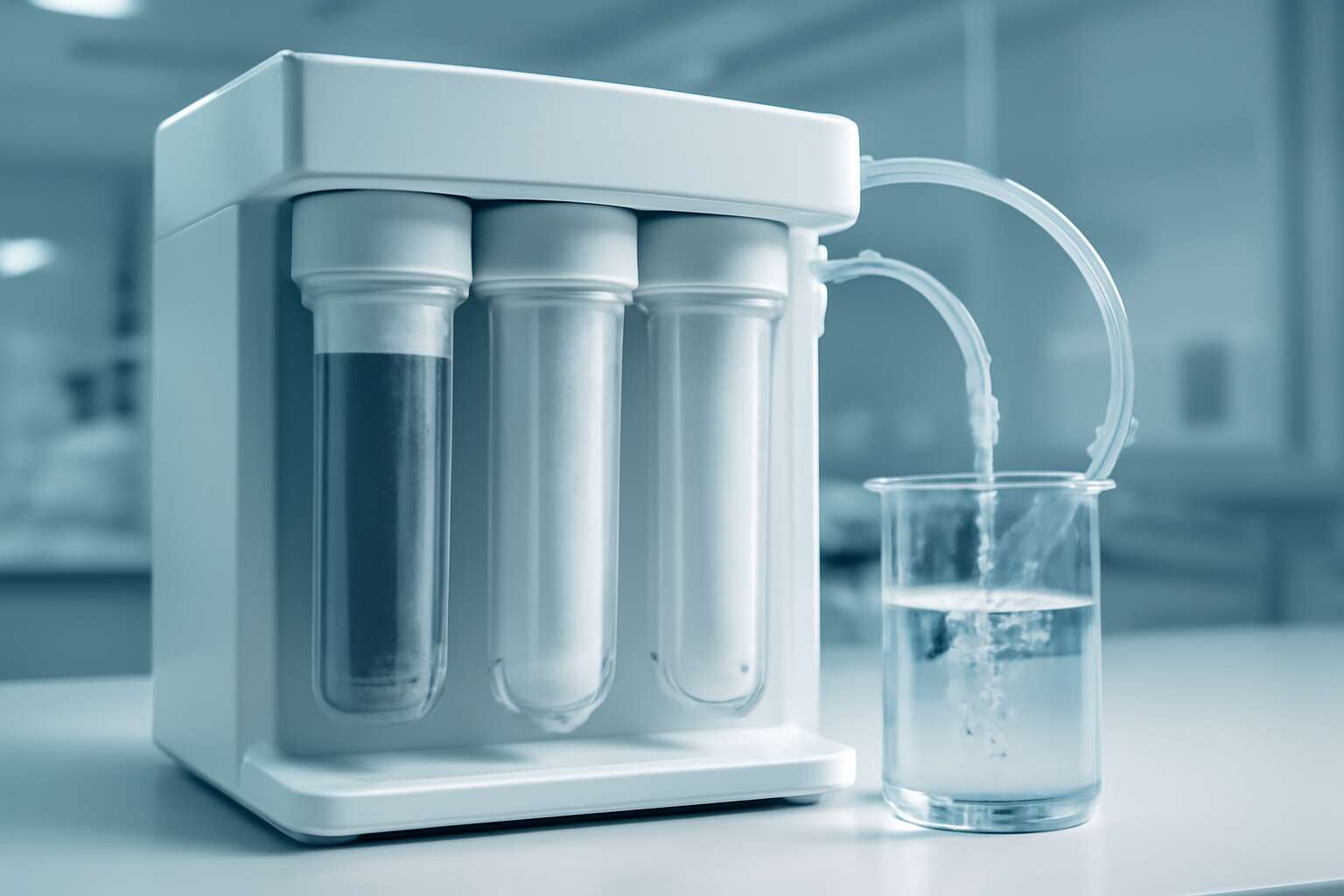
Water purification systems for science exhibitions: a comprehensive outline
Understanding purification concepts for science exhibitions
In South Africa’s bustling science fairs, water purification system for science exhibition turns curiosity into understanding. A punchy line from a seasoned presenter—”Water is the patient teacher of discovery”—sets the stage as students watch clear water emerge from muddy beginnings. The display translates purification into a vivid story: what contaminants lurk, what removes them, and why safety matters in every splash.
Understanding purification concepts becomes approachable through a compact, hands-on outline:
- Filtration basics: trapping particles with layered media
- Disinfection methods: safe, classroom-friendly approaches
- Visualization: turning unseen processes into clear, compelling demonstrations
Beyond theory, the setup highlights practical considerations—materials, maintenance, and responsible reuse—tailored to South African classrooms and community halls, where curiosity meets stewardship.
Design and build guidelines for demonstrations
In South Africa’s science fairs, water becomes a living exhibit. “Water reveals the smallest details of science,” a veteran presenter often says. This is not magic; it is a well‑designed water purification system for science exhibition that invites spectators to read the story in every splash.
Design and build guidelines favor modular, classroom‑friendly designs that travel between venues with ease. Build around durable housings, clear flow paths, and simple safety interlocks so teachers can run demos without disruption. The core elements include:
- Modular filtration stages using locally sourced media
- Visible disinfection indicators and safe, low‑voltage components
- Clear tubing and labeled outlets to show water quality progression
Beyond looks, the setup anticipates maintenance and responsible reuse in schools and halls. Choose washable components, reusable media where possible, and straightforward storage that protects the system during travel. When paired with strong supervision and a culture of safety, the demonstration stays engaging and sustainable across sessions.
Educational value and audience engagement
In South Africa’s science halls, a single drop can reveal the hidden gears of inquiry. A recent survey found that 62% of students remember demonstrations that tell a story longer than those that merely show results. The water purification system for science exhibition turns murky streams into clear narratives, inviting spectators to read the science in every splash.
Educational value arises from a narrative arc—data becomes dialogue, and questions become clues. With safe, visible indicators and modular stages, learners connect observations to real-world water challenges without jargon. I’ve watched hands drift toward the display, curiosity sparking as the stream clears and patterns emerge!
- Hands-on engagement boosts scientific literacy and retention
- Clear indicators show how water quality changes step by step
- Safe, classroom-friendly design travels well between venues
The format invites diverse audiences to become explorers, tracking the water’s journey—from source to sample—while educators weave curriculum threads into the moment with curiosity and care.
Testing, safety, and best practices for exhibitions
In South Africa’s bustling science halls, a single drop can spark a voyage of inquiry. The water purification system for science exhibition stands as both spectacle and safeguard, turning murk into clarity while inviting questions about how cleanliness meets community health. A recent visitor study shows 68% remember the moment when a stream clears and trust builds—proof that safety and storytelling travel hand in hand.
Testing, safety, and best practices for exhibitions include:
- Rigorous risk assessment and containment plans
- Non-toxic, classroom-friendly components and PPE
- Visible indicators, calibration logs, and emergency shutoffs
With these elements, the system travels confidently from hall to hall, inviting observers to read the flow and the answer in every splash.




0 Comments