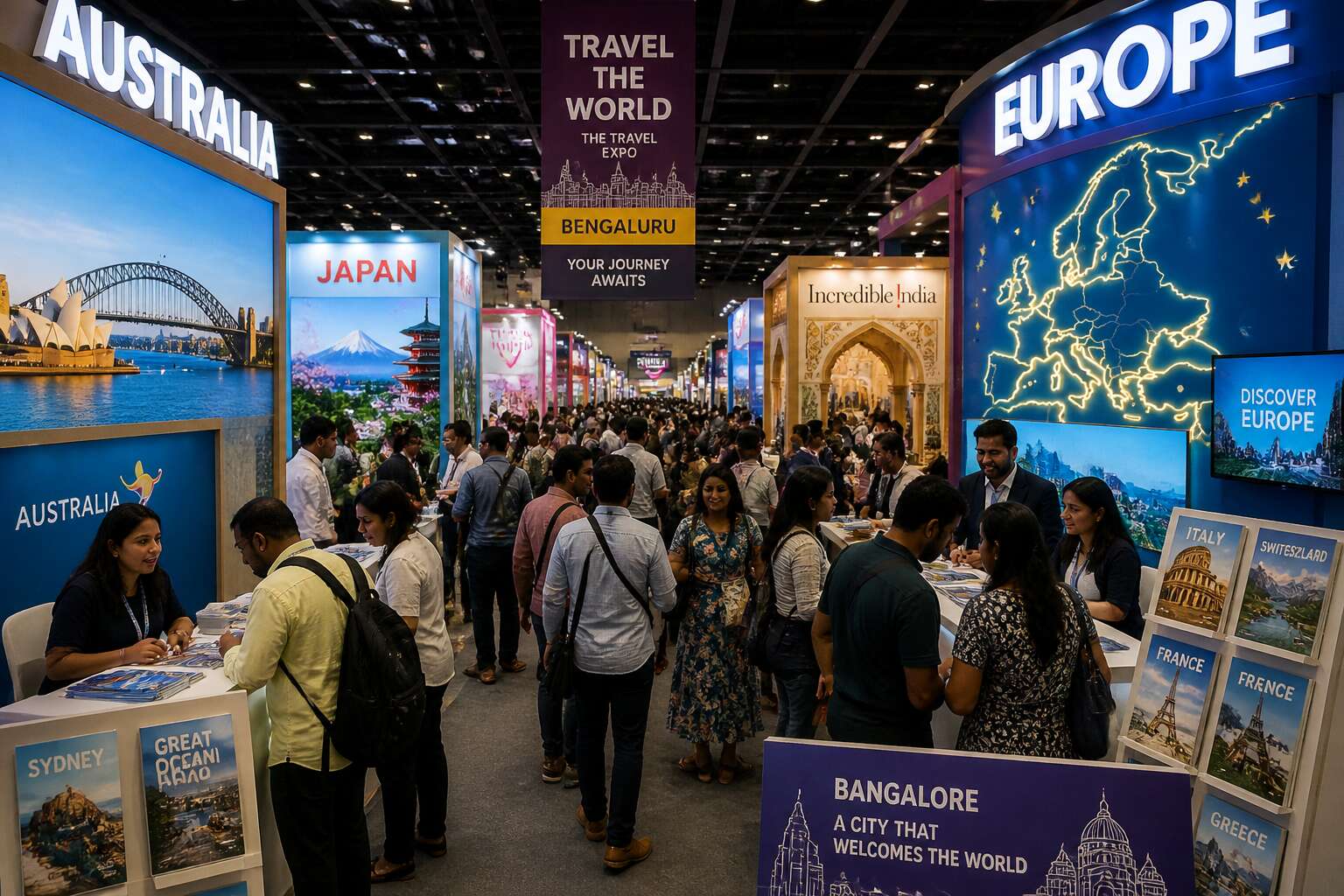
Why Travel Exhibitions in Bangalore Are a Must-Visit for Enthusiasts
The Growing Popularity of Travel Shows in the Garden City
Some say 40% of Indian travellers now seek experiences over possessions. That shift is palpable at any travel exhibition bangalore hosts. The Garden City has morphed into a commercial hub where wanderlust meets business pragmatism. This is not a casual fair for holiday brochures. It is a marketplace for serious planning.
The demographic here is distinct. You have tech professionals with disposable income and limited leave. They want precision itineraries. They crave offbeat destinations that still offer reliable connectivity. Organisers have noticed. The scale of these events has grown each year, drawing international tourism boards eager to court the South Indian spender.
Attendees find concentrated value within a few halls:
– Direct consultations with tourism board representatives.
– Immediate comparisons of flight routes and visa procedures.
– Access to boutique operators specialising in niche travel.
– Early-bird packages that rarely appear online.
This mixture of utility and discovery makes the time investment worthwhile. You walk in with curiosity and leave with a drafted plan. It is that simple.
The city itself adds to the appeal. Bangaloreans are savvy consumers who research relentlessly. They arrive with questions prepared and budgets defined. Exhibitors respond with sharper offers. The result is an exchange that feels productive rather than purely promotional. For anyone serious about their next expedition, this event transcends a simple outing. It is a strategic resource.
Networking Opportunities with Tour Operators and Destination Experts
At a travel exhibition bangalore, the most valuable currency is not the brochure on the table. It is the conversation happening across it. Tour operators and destination experts do not simply sell packages. They decode unspoken preferences, reading your hesitation and sensing your budget limits before you voice them.
I have watched attendees leave with more than a discount. They carry a mental map of possibilities, built in minutes. That rapport rarely exists in online booking portals.
One focused dialogue can yield several practical outcomes:
- Customised routes aligned with actual leave calendars
- Local intelligence that no search engine can rank
- Direct contact details for follow up questions
This is where a travel exhibition bangalore reveals its deeper function. Travel decisions are emotional. The expert addresses the fear. The operator answers the practical need. In that exchange, you become a person with a deadline and a dream, not a sales lead.
Exclusive Deals and Discounts on Holiday Packages
Here is the truth about holiday packages: the advertised price is a starting point, not a final answer. At a travel exhibition bangalore, that number gets negotiated in your favour. Stands compete for your attention, and exhibitors bring their sharpest offers.
I have watched exhibitors produce discounts that make agents wince. Early bird specials. Group rates. Free upgrades that no booking site will confirm. Exhibitors want your signature on the booking form, and they are prepared to make the numbers hurt.
The best offers are often tied to specific departure windows. A flexible traveller can stack discounts in ways that feel illegal. A fixed itinerary still benefits from a face to face conversation about what the brochure leaves out.
Showcases of Offbeat and Emerging Destinations
Every travel exhibition bangalore hides a secret corridor. Beyond the glossy posters of Paris and Phuket lie stalls draped in quieter colours, where representatives speak of places most maps still ignore.
The emerging destinations on offer do not shout. They wait. Itineraries that no algorithm recommends, routes scratched into the margins of old travel logs:
- Nagaland’s remote mountain villages
- The salt flats of Kutch
- Spiti’s frozen monasteries
A conversation with a tour operator at such an event can unlock these places. The exhibitors are not selling sand and sun. They offer the unease of the unknown, the thrill of a destination without a hashtag. For a South African traveller tired of the familiar, this is where the real journey begins.
Cultural Performances and Culinary Experiences from Around the World
At a travel exhibition bangalore, the journey begins before you reach the ticket counter. The air carries the scent of saffron and smoked paprika! Drumbeats echo from a corner where a troupe performs a folk dance from Rajasthan. Two aisles over, a chef folds dumplings with practiced hands.
The cultural performances are not staged for applause alone. They are living lessons in geography. A South African visitor might watch a Maori haka, then taste a Georgian cheese pastry within the same hour. The food stalls serve small portions, but each bite contains a region’s history.
I once spent an afternoon sampling:
– Smoked reindeer from Lapland
– Fresh ceviche from Peru
– Spiced chai from Assam
Each sample came with a story. That is the quiet power of these exhibitions. They compress the world into a single hall, and the memory lingers long after the last performance ends.
What to Expect When You Attend a Travel Show in Bangalore
Layout and Zones: From Adventure Travel to Luxury Getaways
Every square metre of the travel exhibition bangalore has a purpose. The hall is divided into zones that reflect distinct travel styles. One side buzzes with adventure travel operators displaying rugged gear and mountain trail maps. The opposite wing features luxury getaways, with private villa representatives and yacht charter specialists at discreet counters.
The layout follows a logical progression. Wellness retreats occupy the central corridor, while family focused stalls cluster near the entrance. A floor plan at every gate helps navigate the space:
- Adventure zone with interactive simulators.
- Luxury lounge with concierge desks.
- Regional pavilions divided by continent.
This zoning turns the exhibition into a structured journey, letting attendees compare offerings without feeling overwhelmed.
Interactive Workshops and Seminars by Industry Insiders
The seminars at the travel exhibition bangalore are where the real value emerges. Industry insiders do not sell. They teach. A session on expedition logistics might reveal the hidden costs of a Kilimanjaro trek. Another on slow travel could transform how you plan a year abroad. I have attended shows where a single panel changed my entire route through Patagonia!
Interactive workshops convert listening into doing. Attendees practice negotiating with local guides. They review real travel insurance policies line by line.
Here is a snapshot of what you might encounter:
- A wildlife photographer breaking down ethical safari behaviour.
- A cruise specialist explaining the nuances of polar voyages.
- A solo traveller sharing route planning strategies for Southeast Asia.
You leave with actionable knowledge. That is the mark of a show worth every minute.
Live Demonstrations of Travel Gear and Gadgets
Watching a traveller test a 40 litre backpack under a simulated monsoon is oddly satisfying. At the travel exhibition bangalore, live demonstrations of travel gear and gadgets turn product claims into visible proof. You watch a tent withstand gale force winds. You see a solar charger revive a dead phone in minutes.
These demos reward close attention. A packing cube system might be showcased with a competitive speed pack. A water purifier might be tested with murky water. The audience often gets to handle the equipment afterward.
- Check the stitching on expedition backpacks
- Test the weight of titanium cookware
- Compare noise cancelling headphones in a live audio zone
Bring curiosity and a notepad. I have seen shoppers walk out with the exact backpack they watched survive a drop test. The travel exhibition bangalore offers a rare chance to see gear fail or flourish before you invest. That clarity is worth the entry fee alone!
Meet-and-Greet Sessions with Travel Influencers and Bloggers
Travel influencers command trust no brochure has earned. At the travel exhibition bangalore, meet-and-greet sessions run on a strict clock. You get ten minutes.
These bloggers talk openly about failed bookings and inflated itineraries. They name the neighbourhoods they changed flights to avoid. For a South African planning a first trip to India, this information beats a dozen brochures.
The useful questions come from people who arrive ready. They ask about:
- the actual cost of a week in Kerala
- which airlines respect baggage rules
- homestays that never appear on booking sites
I watched one traveller pull up a half-planned route on his tablet. The influencer redrew three days of it with a finger. That is the specificity a website cannot offer.
Virtual Reality Previews of Popular Destinations
Virtual reality previews at the travel exhibition bangalore let you step into a destination before you commit a single rand. One attendee told me she spent ten minutes inside a VR recreation of Vietnam’s Ha Long Bay. She cancelled her planned guided tour after seeing the actual scale of the limestone karsts with her own eyes.
The headset removes the guesswork from destination marketing. You can gauge the crowd density of Bangkok’s markets or the stillness of a Kerala backwater. For South Africans crossing ten time zones, this experience shrinks the risk of a costly mismatch between expectation and reality.
Try the VR stations with these goals in mind:
- Check how busy a landmark actually is during peak season.
- Test the view from a hotel room level, not just the brochure angle.
- Compare two homestays side by side without leaving the booth.
That clarity beats any photo gallery. The travel exhibition bangalore turns a faraway place into something you can judge on your own terms, before you board the plane.
Souvenir and Merchandise Stalls for Travel Lovers
Most visitors leave the travel exhibition bangalore with tote bags full of business cards. The careful shopper walks away with something more durable. Souvenir and merchandise stalls at the travel exhibition bangalore stock items that rarely reach retail stores in South Africa.
Regional tourism boards and independent artisans curate these stalls. You will find handwoven textiles, ceramic tableware, and printed maps that predate GPS. I watched one stall sell vintage railway posters from India’s Nilgiri Mountain Railway. They were gone by noon.
Look for these categories:
- Handcrafted textiles from specific weaving clusters
- Replica artefacts and museum shop pieces
- Local spices and packaged condiments with export labels
- Field guides and regional literature in English
Pricing is honest. Vendors know attendees compare against online stores. For South Africans planning a long-haul trip, buying a small artefact here lets you test a region’s craftsmanship before you commit to the full itinerary.
How to Make the Most of Your Visit to a Travel Exhibition in the City
Prepare a List of Dream Destinations and Questions Beforehand
Before you enter the travel exhibition bangalore, commit your intentions to paper. The noise, the crowds, the dizzying array of booths, they all conspire to scatter your focus. A short list anchors you in the gloom of too many choices. Write down the places that haunt you, the ones that surface in quiet moments. Then, write the questions you hesitate to ask aloud to a travel agent. Once written, your path through the venue becomes clearer. You stop wandering and start seeking. The stalls that once blurred together now fall into focus. This preparation turns an overwhelming spectacle into a deliberate exploration, a gathering of answers instead of brochures. The exhibition becomes a map, and you, the cartographer of your own next journey.
Strategically Plan Your Route to Cover All Key Exhibitors
An exhibition hall covers more ground than you think. At the travel exhibition bangalore, the distance between the adventure zone and the luxury pavilion alone can eat up forty minutes of walking. The visitors who see everything are not faster. They sequence their route before arriving.
Start with the exhibitor map published on the show’s website. Mark the stalls tied to your destination list, then commit to the farthest corner first. Work backward toward the entrance. This way you meet the key travel exhibition bangalore participants while your attention is still sharp, long before the crowds thicken in the afternoon.
The route can follow a simple logic:
- Destination pavilions for shortlisted countries and regions.
- Tour operators who run packages to those areas.
- Specialty stalls for gear, insurance, and niche travel.
The sequence keeps you moving in one direction and leaves the workshops for the final stretch.
Engage in On-the-Spot Booking Challenges and Contests
There is a particular thrill in the travel exhibition bangalore that arrives when a hush falls over the crowd and the host raises a hand. The on-the-spot booking challenges are not mere games. They are chances to secure a package at a price that rarely appears online.
Some contests demand a quick answer about a destination’s capital. Others ask for a spontaneous itinerary built from random cards. The winners walk away with vouchers, upgrades, or a fully paid weekend. The losers get a story worth telling. The travel exhibition bangalore rewards those who step forward.
Watch the schedule posted near the information desk. Arrive early. Raise your hand when the host asks for volunteers.
Collect Business Cards and Brochures for Future Reference
Collecting a business card at a travel exhibition bangalore is only the first step. The card becomes useful when you record why you took it. Months later, when a colleague asks about a lodge or a tour operator, that scrap of paper carries the answer. The glossy brochures end up in recycling, but a card with a handwritten note stays relevant.
I do my sorting within an hour of leaving the hall. While my coffee cools, I go through each card and add context. The ritual takes ten minutes!
- Write the event name and date on every card.
- Name the person you spoke with.
- Jot down one reason you took the card.
That small effort turns a stack of paper into a working archive.
Follow Up with Connections Made After the Event
An exhibition handshake loses its warmth by Monday. Most conversations from the travel exhibition bangalore dissolve into the noise of regular work within a week. The attendee who understands this behaves differently. They treat each interaction as a commitment that requires a response.
Follow-up is not a courtesy. It is the mechanism that turns a stranger into a resource. A short email that references a specific detail, the lodge in the Cederberg, the ferry schedule to Zanzibar, carries more weight than any brochure. Within seventy-two hours of the show, memory still holds the conversation whole. Delay further and the nuance dissolves.
Those who send a message that references a shared point of interest, who pose one question that signals genuine engagement, who then carry the answer forward into their planning, extract lasting value from a fleeting encounter. The exhibitor who met two hundred visitors remembers the one who remembered them.
Upcoming Trends in Travel Exhibitions Across Bangalore’s Event Landscape
Sustainable and Eco-Friendly Travel Focus Areas
By 2025, nearly 70% of travellers expect to choose eco-conscious options, according to Skift. Bangalore’s event landscape is responding. At the upcoming travel exhibition bangalore, sustainability is becoming a core requirement, not an add-on.
Exhibitors are replacing glossy brochures with digital passes and recycled materials. Carbon-offset stations appear alongside destination booths. Local tour operators highlight community-based tourism, where a portion of fees directly funds conservation projects. This shift changes how shows are organised.
Key focus areas include:
- Regenerative travel models that restore ecosystems rather than merely reduce harm.
- Slow tourism corridors promoting longer stays in fewer places.
- Plastic-free vendor guidelines enforced across the show floor.
Visitors to the travel exhibition bangalore will see concrete commitments, not vague promises.
Digital-Only and Hybrid Exhibition Formats
The travel exhibition bangalore landscape is embracing digital-only and hybrid exhibition formats. Organisers now stream keynote sessions and floor walks in real time. Exhibitors run virtual booths with live chat and video consultations. Attendees can book one-on-one meetings with global tourism boards without leaving their desks.
Hybrid formats deliver measurable advantages:
- International pavilions reach audiences they cannot fly in to meet.
- Recorded panels remain accessible for months after the event closes.
- Organisers capture attendee behaviour data that physical shows cannot provide.
Digital-only editions give niche operators a low-cost entry point to test new markets. I have watched these events grow from simple webinars into full-scale showcases. The travel exhibition bangalore calendar now includes fully virtual showcases each season, complementing the physical events without replacing them.
Increased Presence of Regional Tourism Boards
A regional tourism officer told me her board had doubled its exhibition budget this year. At the upcoming travel exhibition bangalore, her team will occupy a booth twice the size of last season’s. This increased presence of regional tourism boards reflects a larger pattern across the event landscape. Smaller districts now understand that national pavilions cannot fully represent their local character. They want direct contact with travellers and trade buyers.
- showcase district-level homestays and rural circuits
- distribute area-specific travel passes
- hold cultural demonstrations from their own communities
These regional boards also cooperate with local hotel associations to offer exclusive packages. The travel exhibition bangalore has become a meeting point where these groups measure traveller interest, test new itineraries, and build relationships that last beyond the event floor.
Personalized Itinerary Creation Using AI Tools at Booths
The most profound shift at this year’s travel exhibition bangalore is the move away from passive brochure distribution toward active, data-driven dialogue. Booths are no longer static displays; they are becoming laboratories for algorithmic curation. Attendees sit across from specialists who feed their preferences into generative models, producing intricate day-by-day drafts that account for commute times, weather patterns, and even the philosophical bent of local guides. The output is not a generic pamphlet but a bespoke narrative tailored to the traveller’s specific psychology.
These AI tools are reshaping the expectations of South African visitors who have grown weary of cookie-cutter itineraries. The systems operate on a simple premise: the traveller defines the mood, the machine handles the logistics. In practice, this means:
- Real-time adjustments to cultural site visits based on crowd density sensors.
- Dynamic meal planning that syncs with local festival calendars.
- Cost rebalancing to allocate more budget toward memorable excursions.
The technology does not replace human insight; it amplifies the consultant’s ability to listen. By the end of a fifteen minute consultation, attendees walk away with a fully formed travel blueprint that would have previously required weeks of research. That efficiency is the quiet revolution occurring across the exhibition floor, one queued conversation at a time. The data harvested here also feeds back into regional planning, helping boards predict demand surges before they materialise in the market. It is a symbiotic loop, and it is rewriting the rules of engagement for trade shows worldwide.
Collaborations with Local Artisans and Food Vendors
At the travel exhibition bangalore, a curious alchemy is unfolding. Attendees are discovering that the most memorable experiences are not found in glossy pavilions but in the far corners where local craftspeople and street food vendors hold court. It is a raw, sensory trade that speaks louder than any marketing pitch. The logic is simple. If you cannot fly to a destination, the destination will come to you, marinated and hand-stitched.
This shift toward hyper-local collaboration is turning the exhibition floor into a living, breathing map of India. The smell of filter coffee and fried chillies now punctuates the air between booths, while textile weavers demonstrate their looms beside tour operators. For the visitor from South Africa, who often craves authenticity over luxury, this is a revelation. It is one thing to see a picture of a spice market; it is another to watch a vendor grind masala fresh for your tasting pleasure on the show floor.
These partnerships offer a dual benefit. Artisans gain access to a global audience, while exhibitors guarantee foot traffic by offering something for the palate and the hands. It is a transactional relationship with a soul. Some of the most lively queues at the event are not for theme park tickets, but for a sample of regional street food that cannot be replicated by a hotel buffet.
– Live pottery and block printing sessions that create souvenirs on the spot.
– Pop-up kitchens featuring chefs from Karnataka’s lesser known coastal towns.
– Miniature food trails that pair a tasting with a virtual guide explaining the dish’s origin.
– Craft workshops where attendees pay for materials directly, bypassing middlemen.
The food is not just fuel for tired feet. It is a strategic tool. These vendors tell stories that brochures cannot convey, offering anecdotes about village life and family recipes that add texture to the destination. Exhibitors have caught on to this psychology. They are no longer selling a geography; they are selling the taste of it.
This fusion is also practical. It solves the perennial problem of trade show fatigue. A long conversation about visa logistics becomes bearable when a plate of crispy dosa is hovering nearby. The proximity of food and craft forces a slower pace of consumption. People linger, talk, and buy. It is a deliberately human pace in a high-tech environment.
The trend is extending beyond the main halls. Satellite events around the travel exhibition bangalore now include evening food crawls hosted by local guide collectives. These events blur the line between attendee and tourist. The success of this model suggests that future exhibitions will invest heavily in curating these local partnerships, well before they book the international speakers. The value is tangible, measurable, and delicious.
Emphasis on Solo Travel and Women-Safe Tourism
Travel exhibitions are now prioritising the solo traveller, particularly women navigating India alone. The travel exhibition bangalore dedicates entire zones to safe tourism infrastructure. Exhibitors present female only hostels, verified local guides, and 24 hour helplines. These services respond to growing demand from South African visitors who want independence without compromising safety.
Several booths feature women led travel collectives and practical safety workshops. The energy is refreshingly direct.
– Round table discussions on safety protocols
– Meetups connecting solo travellers before departure
– Maps highlighting women friendly cafés and transport hubs
The atmosphere encourages honest conversations. A woman can ask tough questions about night travel and receive straightforward answers. This focus transforms the exhibition floor into a space for genuine preparation. The travel exhibition bangalore reflects how seriously the industry now takes female autonomy.
Planning Your Trip to the Venue: Logistics and Tips for Attendees
Choosing the Right Day and Time to Avoid Crowds
Nearly two thirds of attendees arrive between noon and 3 PM on Saturdays, turning mid afternoon into the busiest stretch. Arriving at opening time on a Thursday offers a far more measured pace. The aisles stay clear, exhibitors have time to talk, and you can linger over route maps without jostling.
To sidestep the throng, consider these logistics:
- Check the event’s official schedule for industry-only hours.
- Plan for lunch between 1 and 2 PM, when crowds thin.
- Use a secondary entrance if one exists, it often moves faster.
Evenings bring a second rush. If you prefer quieter halls, target the late morning window. That timing also lets you catch seminars without queueing. A considered arrival time at the travel exhibition bangalore enhances the entire experience.
Parking and Public Transport Options Near the Exhibition Hall
Getting to the hall requires a little forethought. The travel exhibition bangalore venue sits along a busy corridor where traffic peaks sharply after 9 AM. I have found that the metro offers the most consistent journey, with the exhibition stop a short covered walk from the main gate.
If you drive, plan your arrival early. The main parking structure has 400 spaces, but they disappear quickly. Consider these options:
- The satellite lot near Gate 3 runs a shuttle every seven minutes.
- Two wheelers have a dedicated bay on the lower level, free for the first two hours.
City buses stop directly outside the entrance, and the frequency improves during midday lulls. Autos and ride hailing vehicles use a designated pick up zone on the eastern flank. A little route planning turns the journey into a simple part of the day. The travel exhibition bangalore rewards those who arrive prepared.
Accommodation Recommendations for Out-of-Town Visitors
Planning your trip to the venue requires a bit of strategy, but the effort pays off in a seamless experience. Most attendees underestimate the time needed to travel through the city, especially during peak hours. I always recommend allotting an extra hour for your journey on the first day. This buffer allows you to navigate the entry points and collect your badge without feeling rushed. Once inside, the layout of the travel exhibition bangalore is logical, making the flow between halls a simple task.
Accommodation for out of town visitors demands early attention. Hotels near the exhibition grounds fill up months in advance, so securing a bed should be your first priority. Rather than booking the closest property to the venue, which often carries a premium, consider staying a few metro stops away. This approach offers more comfort and significantly reduces your daily travel stress.
– Look for properties along the same metro line as the venue.
– Confirm hotel airport transfers, as private cabs can be scarce during peak times.
– Choose a hotel with a working desk to plan your daily schedule.
If you prefer being within walking distance, the options are limited but present. A few boutique establishments operate on the quieter streets behind the hall, offering a calm retreat from the exhibition buzz. These properties usually have a small number of rooms, so direct contact with the front desk often proves more effective than using booking portals. A little research into the surrounding neighbourhoods reveals that the travel exhibition bangalore serves as the perfect anchor for a well organized visit. Arriving with a confirmed room and a clear plan transforms an overwhelming itinerary into a manageable, enjoyable event.
Important Items to Carry: IDs, Printouts, and Comfortable Footwear
The average attendee walks over six kilometres on the exhibition floor, a distance that demands more preparation than most anticipate. Planning your trip to the venue begins long before you reach the gates. The travel exhibition bangalore attracts a dense crowd, so the entry process requires patience. Arriving before the doors open feels counterintuitive for a leisurely event, but it grants you a clean start.
Your identity documents are nonnegotiable. Security checks are thorough, and printouts of your registration or invitation serve as your primary pass. I have seen attendees turned away for relying solely on a phone screen with a dead battery. A physical copy eliminates that risk entirely. Comfortable footwear is equally essential, as concrete floors take a toll by midday.
– Carry a government issued photo ID at all times.
– Keep a printed copy of your ticket or confirmation.
– Wear broken in shoes, not new ones.
The layout of the travel exhibition bangalore rewards those who arrive with a clear head. You can collect your badge, study the hall map, and move through the zones without jostling against the midday surge. A little foresight in the morning turns a chaotic sprawl into a straightforward walk.
Budgeting for On-Site Purchases and Food Tastings
Getting to the venue costs more than the ticket price. Ride hailing apps surge during peak hours, and auto queues stretch long past closing time. Public buses run frequently, but they stop at the main road, leaving a ten minute walk. Factor that into your schedule.
Once inside, your wallet faces different pressure. The travel exhibition bangalore hosts dozens of food stalls representing regional cuisines. Tastings look free, but vendors expect a purchase afterward. Set a budget before you walk in. Planning ahead matters because the travel exhibition bangalore rewards attendees who know their limits.
Carry small denomination cash. Many stalls lack card machines, and the on site ATM charges heavy fees. Split your spending into meals and impulse buys.
- Fix a food tasting budget before entering
- Carry small notes for vendors without card facilities
- Keep receipts for holiday package down payments
A thousand rupees covers a full day of eating if you skip the overpriced coffee near the entrance.



0 Comments