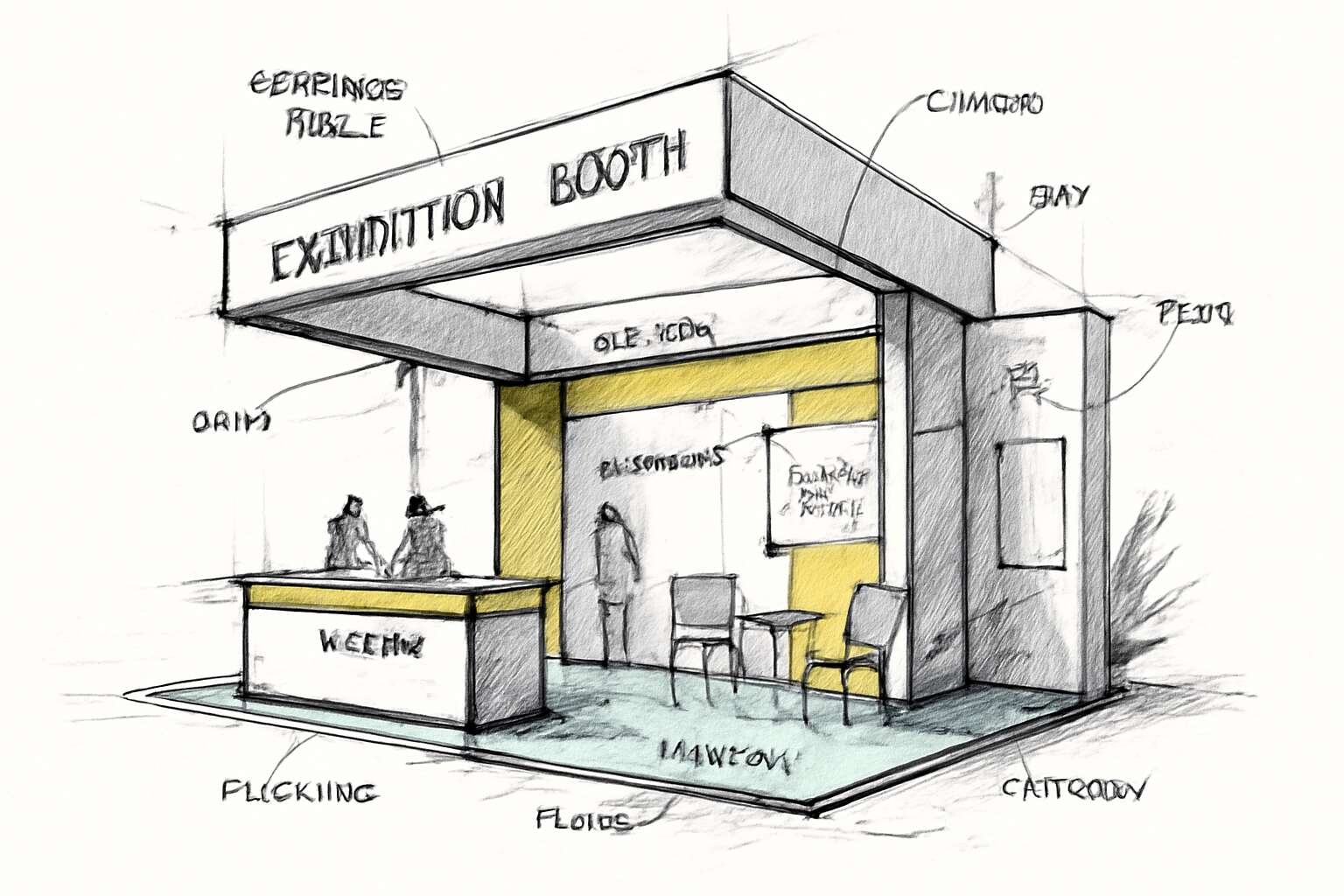
Understanding the Importance of Exhibition Booth Sketches
The Role of Sketches in Booth Design
In the realm of exhibition planning, an expertly crafted exhibition booth sketch is more than just a preliminary drawing; it’s the blueprint of dreams and possibilities. These sketches serve as vital visual tools, allowing designers and clients alike to envisage the final spectacle with clarity and precision. A well-thought-out exhibition booth sketch can transform abstract ideas into tangible concepts, capturing the essence of brand identity and audience engagement in one elegant stroke.
These sketches play a pivotal role in the booth design process, acting as the foundation upon which every detail is built. They help identify spatial flow, ensure optimal placement of displays, and harmonize aesthetics with functionality. By harnessing the power of an exhibition booth sketch, designers can experiment with innovative layouts, lighting schemes, and branding elements—saving time and resources while elevating the overall impact of the exhibit.
Benefits of Creating Detailed Booth Sketches
In the vibrant tapestry of exhibition planning, an exhibition booth sketch emerges as a silent maestro orchestrating visions into reality. It’s not merely a rough outline but a delicate dance of lines and shadows that breathe life into abstract ideas, transforming them into compelling narratives of brand storytelling. A meticulously crafted exhibition booth sketch serves as a compass, guiding designers through uncharted creative territories with clarity and purpose.
The true power of a detailed booth sketch lies in its ability to unveil the unseen—spatial flow, visual hierarchy, and interactive zones—long before the first physical element takes shape. By investing in comprehensive sketches, brands can visualize the entire experience, ensuring that every nook and cranny speaks the language of engagement. This foresight not only prevents costly missteps but also ignites innovation—allowing designers to experiment with lighting, materials, and branding elements, seamlessly blending aesthetics with functionality.
- Enhanced clarity for all stakeholders involved
- Optimized spatial arrangement for visitor flow
- Ability to refine branding elements with precision
In essence, an exhibition booth sketch is the poetic blueprint of a brand’s aspirations—a vivid prelude to the symphony of interaction and impression that will unfold on the trade show floor. Crafting these sketches isn’t just about drawing; it’s about dreaming in detail and ensuring that every line draws the audience closer to the heart of the brand’s story.
How Sketches Enhance Communication with Clients and Fabricators
In the intricate dance of exhibition planning, communication is the rhythm that keeps everything aligned. An exhibition booth sketch acts as a universal language, bridging the gap between clients, designers, and fabricators. When everyone shares a clear, visual understanding of the intended design, it minimizes misinterpretations and accelerates decision-making. This visual clarity fosters a collaborative environment where ideas flow freely, and adjustments are made with confidence.
Furthermore, an exhibition booth sketch isn’t just a rough draft; it’s a vital tool for translating abstract concepts into tangible realities. It enables all stakeholders to see the spatial relationships, branding elements, and interactive zones with precision. This shared vision ensures that fabricators and builders can execute the design seamlessly, reducing costly errors and rework. Ultimately, a well-crafted exhibition booth sketch elevates communication, making the entire process smoother and more efficient, bringing the brand’s story to life with clarity and purpose.
Key Elements of an Effective Exhibition Booth Sketch
Layout and Space Optimization
In the vibrant world of exhibition design, an exhibition booth sketch is more than just a rough drawing—it’s the blueprint for immersive engagement. A well-crafted booth layout must balance aesthetics with functionality, ensuring every inch works harmoniously to attract visitors and promote brand storytelling. Space optimization is crucial; it transforms a limited square footage into an expansive experience that guides foot traffic seamlessly. The key elements of an effective exhibition booth sketch include focal points that draw attention, strategic placement of interactive elements, and clear pathways that invite exploration. Use of lighting, signage, and display zones should be carefully planned to create a captivating flow, making the booth both inviting and efficient. By integrating these components, a thoughtfully designed booth sketch can turn a simple stand into a memorable destination—one that leaves a lasting impression long after the event ends.
Visual Branding and Signage Placement
When it comes to crafting an exhibition booth sketch that truly stands out, visual branding and signage placement are your secret weapons. A well-thought-out booth sketch doesn’t just look good—it communicates your brand’s personality instantly. Strategic signage placement ensures that visitors are drawn toward key messages without feeling like they’re walking through a maze of distractions.
Imagine your booth as a stage, where each sign, logo, and visual element is carefully positioned to direct foot traffic effortlessly. The goal? To make visitors stop, look, and engage—without needing a GPS to navigate through. An effective exhibition booth sketch incorporates focal points that highlight your brand’s identity and guides visitors naturally from one display zone to another.
For optimal impact, consider using a mix of signage types—large banners, digital displays, and subtle branding elements—that work together harmoniously. After all, the right placement turns a simple booth into an eye-catching destination that leaves a lasting impression long after the event wraps up.
Display Zones and Product Placement
The anatomy of an effective exhibition booth sketch hinges on the deliberate orchestration of display zones and product placement, transforming a mere spatial layout into a narrative that beckons visitors with subconscious allure. Each zone should serve as a chapter in your brand’s story, carefully positioned to captivate attention and facilitate seamless navigation. The interplay between focal points and peripheral elements creates a visual dialogue that guides visitors effortlessly, often without them realizing they’re being led.
Strategic placement of key products within these zones is paramount. It’s not just about visibility but about creating an immersive experience that draws visitors into the heart of your brand. Consider prioritizing high-traffic areas for flagship products, while secondary zones can host complementary offerings that encourage exploration. When designing an exhibition booth sketch, integrating varied signage types—such as bold banners, digital displays, and subtle branding accents—further enhances the visual hierarchy. These elements work in concert to establish focal points, ensuring your booth transforms into an engaging destination rather than a forgotten corner.
Lighting and Electrical Planning
In the intricate dance of capturing attention at a bustling trade show, lighting and electrical planning emerge as the silent maestros, orchestrating an environment that beckons and immerses. An expertly conceived exhibition booth sketch doesn’t merely delineate space—it breathes life into the visual narrative, with lighting design acting as the guiding thread that accentuates focal points and creates mood. Strategic illumination can evoke emotion, highlight key products, and subtly direct foot traffic to desired zones, transforming a static layout into a living, breathing experience.
Beyond aesthetics, electrical planning demands meticulous attention. Power outlets, digital display connections, and ambient lighting must be seamlessly integrated into the booth sketch, ensuring that all elements function harmoniously without clutter or confusion. Incorporating layered lighting techniques—such as accent, task, and ambient lighting—enhances the visual hierarchy, making your booth an inviting destination. When thoughtfully executed, these elements forge an immersive environment that resonates with visitors long after they leave.
Materials and Textures Representation
An exhibition booth sketch is more than just a rough drawing; it’s the blueprint that captures the soul of your brand’s presence at a trade show. Among the key elements that breathe life into this visual plan are the carefully selected materials and textures. These details evoke tactile curiosity and set the tone for your entire booth experience. Think rustic wood finishes that whisper warmth or sleek metals that speak of modern innovation—each choice influences how visitors perceive your message.
Representation of materials in an exhibition booth sketch offers a glimpse into the sensory journey awaiting your visitors. A well-illustrated sketch can show textured fabrics for seating areas, glossy surfaces for product displays, or matte finishes that emphasize sophistication. This layered depiction helps clients and fabricators understand the depth and richness of the final setup, ensuring every element aligns with your brand story.
Incorporating specific textures and materials into your booth design isn’t just about aesthetics; it’s about creating a memorable atmosphere. When your exhibition booth sketch thoughtfully includes these details, it transforms from a simple plan into an immersive space. Visitors are drawn into an environment that feels genuine and engaging, making your brand unforgettable amidst the chaos of a busy trade show floor.
Tools and Techniques for Creating Exhibition Booth Sketches
Traditional Hand Drawing Methods
In an era dominated by digital precision, there’s something undeniably charming—nay, essential—about the tactile allure of traditional hand drawing methods for creating an exhibition booth sketch. Despite the proliferation of CAD software and 3D modeling, many seasoned designers swear by the artistry and spontaneity that comes with pencil and paper. These tools allow for quick iterations and a more intuitive grasp of spatial relationships, which often translates to a more compelling final design.
For those who prefer the old-school approach, a few trusty supplies are all you need: sharp pencils, erasers, rulers, and perhaps a dash of colored pencils for visual flair. The secret lies in capturing the essence of the booth—its flow, focal points, and branding elements—without getting bogged down by technical minutiae too early in the process. It’s a delicate dance that ensures the exhibition booth sketch remains both functional and inspiring.
Some designers even favor a hybrid approach, starting with rough sketches by hand and then refining them with digital tools. This blend preserves the spontaneity while adding a layer of polish and detail—an artful compromise that elevates the overall design process. Whether you’re a traditionalist or a tech enthusiast, mastering these fundamental techniques ensures your booth design is both innovative and rooted in visual storytelling.
Digital Design Software Options
In the digital age, creating an exhibition booth sketch isn’t just about a quick doodle anymore—it’s an art form that balances creativity with technical finesse. When it comes to tools and techniques, there’s a universe of options, from sophisticated software to the humble pencil. Digital design software options like SketchUp, Adobe Photoshop, and AutoCAD have revolutionized how designers craft their visions, offering precision and the ability to easily tweak layouts. But don’t underestimate the charm of traditional hand-drawn sketches; they bring spontaneity and a tactile dimension that often sparks the most innovative ideas.
For those who prefer digital, a few key features make software indispensable: layer management, 3D visualization, and easy export capabilities. Whether sketching out the initial concept or refining intricate details, these tools are a game-changer. Some designers even combine both worlds—starting with a rough exhibition booth sketch on paper and then polishing the design digitally. This hybrid approach fuses raw creativity with technological precision, elevating the overall design process and ensuring the final booth concept hits all the right notes for your next trade show or exhibition.
Best Practices for Accurate and Clear Sketches
In the shadowed corridors of design, where innovation dances with tradition, tools and techniques for creating an exhibition booth sketch become the silent artisans of brilliance. A masterful sketch is not merely a blueprint but a portal to an immersive experience—an intricate ballet of lines, shadows, and spatial whispers. Digital design software options like SketchUp and AutoCAD wield a spectral precision, allowing designers to conjure 3D visions that breathe life into static concepts. Yet, the humble pencil still holds dominion in the realm of spontaneous inspiration, capturing raw energy with every stroke.
Best practices for accurate and clear sketches hinge on clarity of vision and meticulous attention to detail. Embracing a hybrid approach—beginning with traditional hand-drawn concepts and then refining these with digital software—can unlock a realm of creative possibilities. Incorporating layer management and easy export functions in digital tools ensures that each element of the exhibition booth sketch is easy to tweak and perfect. Such techniques produce a cohesive narrative that guides fabricators and clients alike through the mystique of the design process.
For those seeking to elevate their craft, consider structuring your workflow with
- initial rough sketches on paper
- digitally refining with software
—a method that marries the spontaneity of human touch with technological finesse. Ultimately, mastering these tools and techniques transforms a simple booth sketch into a hauntingly beautiful blueprint—an echo of your vision destined for the grand stage of the trade show floor.
Steps to Develop a Successful Exhibition Booth Sketch
Understanding Client Requirements and Goals
Understanding client requirements and goals is the cornerstone of developing an effective exhibition booth sketch. Without clarity on what the client aims to achieve—whether brand visibility, lead generation, or product showcase—the sketch risks missing the mark. Engaging in thorough discussions or consultations helps uncover these objectives and shapes the entire design process.
Once the goals are clear, it’s essential to consider the target audience and their expectations. This insight guides the layout, flow, and overall aesthetic of the exhibition booth sketch. A well-crafted sketch should balance functionality with visual appeal, ensuring that every element aligns with the client’s branding and messaging.
To streamline this process, many designers adopt a systematic approach: they list key requirements, prioritize features, and map out space utilization. An accurate exhibition booth sketch not only communicates ideas effectively but also sets a realistic foundation for successful execution.
Researching the Event Space
Before diving into the creative process of developing an exhibition booth sketch, understanding the event space itself is crucial. An in-depth examination of the venue’s layout can reveal unexpected challenges and opportunities, ensuring your design is both practical and eye-catching. Measurements, entry points, and structural elements all influence how your booth will fit seamlessly into the environment. This step is often overlooked, yet it’s the foundation upon which a successful exhibition booth sketch is built.
To streamline this phase, many designers employ a systematic approach, such as:
- Conducting thorough site visits
- Reviewing venue specifications and restrictions
- Taking precise measurements
- Identifying access points and power sources
This meticulous research guarantees that your exhibition booth sketch will be tailored precisely to the space, avoiding costly adjustments later. Ultimately, understanding the event space not only enhances the accuracy of your design but also ensures your booth will stand out amidst the bustling exhibition hall—an essential step in creating an impactful presence at any trade show or expo in South Africa or beyond.
Initial Conceptual Sketching
Creating an exhibition booth sketch is akin to conjuring a visual symphony—each line and curve whispering the story you wish to tell. The initial conceptual phase demands a delicate dance between imagination and practicality, where your ideas begin to breathe on paper. This is the moment to let creativity soar, exploring various configurations that harmonize with the event space while capturing your brand’s essence.
To craft a compelling exhibition booth sketch, start by immersing yourself in the venue’s atmosphere. Visualize pathways that invite visitors in and zones that beckon exploration. A well-thought-out sketch should seamlessly balance aesthetics with function, ensuring every element—from signage to product displays—fits snugly within the allocated space. This is where the magic of detailed planning unfolds, transforming abstract concepts into tangible visions.
Refining the Design with Client Feedback
Refining an exhibition booth sketch is a process rooted in dialogue—an intricate dance where initial visions evolve into precise blueprints. The key to success lies in embracing client feedback as a vital ingredient, allowing the design to shift seamlessly toward the desired aesthetic and functional harmony. During this phase, detailed discussions help uncover subtle nuances, such as lighting nuances or signage placement, that elevate the overall impact of the booth. A collaborative approach ensures that each element—be it display zones, signage, or pathways—aligns perfectly with brand identity and spatial constraints.
To truly refine an exhibition booth sketch, it’s essential to delve deeper into the visual storytelling. Employ iterative sketches, each one inching closer to the final vision, while maintaining flexibility to adapt to client insights. A systematic review process—where stakeholders scrutinize every detail—can dramatically enhance the coherence of the design. This meticulous refinement transforms a basic concept into a compelling visual narrative, setting the stage for a standout presence at any trade show or event.
Adding Detail and Color for Presentation
Transforming a simple exhibition booth sketch into a captivating visual masterpiece requires more than just lines and shapes; it demands an infusion of color and detail that breathe life into the design. When preparing an exhibition booth sketch for presentation, each hue and shading choice becomes a brushstroke in the story you want to tell. This process elevates the conceptual into the tangible, allowing clients and fabricators to envision the final creation with clarity and excitement.
To achieve this, consider using a layered approach:
- Start with a neutral base to outline key structures and zones.
- Add vibrant colors to highlight branding elements, signage, and display areas.
- Incorporate textures and material finishes to give depth and realism to the sketch.
By meticulously adding detail and color, the exhibition booth sketch transforms from a mere blueprint into a compelling visual narrative, capturing the imagination of all who view it. This vivid portrayal ensures every stakeholder shares a unified vision, paving the way for a booth that truly stands out at any trade show or exhibition in South Africa.
Using Booth Sketches to Improve Exhibition Success
Facilitating Collaboration Among Design Teams
In the intricate dance of exhibition success, an exhibition booth sketch emerges as an essential choreographer, guiding the vision from concept to reality. When design teams collaborate through detailed sketches, they unlock a shared language that transcends technical jargon, fostering innovation and clarity. This visual dialogue ensures every stakeholder, from fabricators to clients, remains aligned, reducing costly missteps and accelerating decision-making.
Facilitating collaboration among diverse design teams becomes seamless when an exhibition booth sketch acts as a central reference point. It invites multiple perspectives to converge, allowing for the integration of creative ideas with practical constraints. As a result, the entire process transforms into a harmonious synthesis of artistry and engineering.
By harnessing the power of a well-crafted exhibition booth sketch, teams can visualize spatial dynamics, experiment with branding placement, and refine their concepts—ultimately elevating the booth’s impact at the event. It’s not merely a drawing; it’s a catalyst for innovation that turns fleeting ideas into captivating realities.
Selling Design Concepts to Clients
In the high-stakes world of exhibition success, convincing clients of your vision can be a challenge. That’s where an expertly crafted exhibition booth sketch becomes your secret weapon. It transforms abstract ideas into vivid, compelling visuals, making it easier to sell your design concepts with confidence. When clients see a detailed sketch, they can instantly grasp the spatial flow, branding placement, and overall aesthetic—elements that often get lost in words alone.
Using an exhibition booth sketch as a visual storytelling tool allows designers to highlight key features and unique selling points. It invites clients into your creative universe, encouraging collaboration and buy-in. Plus, a clear, well-detailed sketch reduces misunderstandings, saving time and resources. It’s a powerful bridge—turning intangible concepts into tangible realities that clients will want to invest in wholeheartedly.
Preparing for Construction and Fabrication
Preparing for construction and fabrication begins long before a single panel is cut or a fabric is stretched. An accurate and detailed exhibition booth sketch is essential in translating your design vision into a reality. It acts as a blueprint, guiding the fabrication team through every step of the process and ensuring that the final structure aligns precisely with your expectations.
Incorporating an exhibition booth sketch into your planning phase minimizes costly mistakes and rework. It provides a visual reference point that communicates detailed specifications—such as dimensions, material choices, and structural elements—clearly to fabricators. This clarity ensures that everyone involved understands the scope and intricacies of the build, fostering smoother coordination from start to finish.
Furthermore, a comprehensive booth sketch helps to streamline the procurement process. By clearly outlining materials and textures, it facilitates accurate ordering and reduces delays. When the design is thoroughly mapped out in a well-crafted exhibition booth sketch, the transition from concept to physical structure becomes less daunting, ultimately leading to a more successful exhibition presence. This visual planning tool is not just an aide—it’s the backbone of effective exhibition booth construction and fabrication.
Incorporating Feedback for Final Adjustments
In the grand tapestry of exhibition success, the exhibition booth sketch emerges as a vital thread—an artist’s brushstroke that transforms visions into vivid reality. When feedback is incorporated thoughtfully into the sketch, it becomes a living document, morphing seamlessly to reflect evolving ideas. This iterative process ensures that each detail aligns perfectly with your brand’s story and goals, creating an immersive experience for visitors.
Engaging in final adjustments based on client input elevates the booth design from a mere blueprint to a compelling narrative. An accurately refined exhibition booth sketch not only clarifies expectations but also fosters a sense of shared ownership among stakeholders. This harmony accelerates decision-making and minimizes costly reworks, allowing your exhibition presence to shine with authenticity and confidence.
Ultimately, the artful use of a detailed exhibition booth sketch acts as a bridge—linking imagination with execution, and ensuring that every element, from lighting to signage, resonates harmoniously. When feedback flows into the sketch, it becomes a powerful catalyst for crafting an exhibition experience that leaves an indelible mark on your audience.
Best Practices for Showcasing Your Booth Sketch Portfolio
Highlighting Diverse Design Styles
A compelling exhibition booth sketch not only captures the essence of your brand but also serves as a visual narrative that resonates with diverse audiences. When showcasing your booth sketch portfolio, highlighting a variety of design styles demonstrates versatility and creativity—traits highly valued in the world of exhibition design. It’s essential to present a curated collection that spans modern minimalism, bold branding, and interactive concepts, illustrating your ability to tailor each booth to specific client needs.
To truly stand out, consider incorporating innovative elements such as unconventional materials or dynamic signage into your booth sketches. This diversity underscores your capacity to adapt to different industry aesthetics and event themes. Remember, a well-rounded portfolio that showcases multiple design styles can inspire confidence in potential clients, affirming your expertise in creating captivating exhibition booth sketches that leave a lasting impression.
Including Before-and-After Visuals
In the realm of exhibition design, a captivating booth sketch is the key to unlocking a world of possibilities. When showcasing your exhibition booth sketch portfolio, the secret lies in the artful presentation of before-and-after visuals that reveal the transformative journey from concept to reality. These visual narratives allow clients to see the evolution of your design ideas, demonstrating your mastery in translating imagination into tangible space.
By incorporating before-and-after visuals, you create a compelling storyline that highlights your design prowess and attention to detail. A meticulously curated display of diverse design styles—ranging from sleek modern minimalism to vibrant, immersive environments—can elevate your reputation. Remember, integrating innovative elements like unconventional materials or dynamic signage into your booth sketches further exemplifies your versatility and commitment to pushing creative boundaries.
Ultimately, showcasing your exhibition booth sketch portfolio with a focus on visual storytelling and diversity not only attracts potential clients but also cements your position as a visionary in exhibition design. When these visuals resonate, they inspire confidence and invite viewers into a world where design dreams become vivid reality.
Sharing 3D Renders and Virtual Walkthroughs
In the fiercely competitive world of exhibition design, showcasing your exhibition booth sketch portfolio with finesse can be the difference between a successful pitch and a forgotten doodle. Enter the realm of 3D renders and virtual walkthroughs—your secret weapons for turning static sketches into immersive experiences. These digital marvels don’t just give clients a sneak peek; they whisk them away on a visual journey through your creative universe. Who wouldn’t want to walk through a booth before it’s even built?
To truly dazzle, consider using a mix of visual storytelling techniques. For instance, a compelling before-and-after comparison can spotlight your transformative prowess. Incorporating virtual walkthroughs allows clients to virtually step inside your design, fostering a sense of ownership and excitement. And if you’re feeling particularly daring, a 3D rendering that highlights diverse design styles—think sleek minimalism or vibrant chaos—can reinforce your versatility. Remember, these tools not only elevate your exhibition booth sketch showcase but also cement your reputation as a visionary designer.
Gathering Client Testimonials and Case Studies
In the competitive landscape of exhibition design, showcasing your exhibition booth sketch portfolio with authenticity can be a game-changer. Client testimonials and compelling case studies do more than just build credibility—they paint a vivid picture of your expertise and dedication. When prospective clients see real-world examples of how your sketches translated into successful events, trust naturally follows.
One effective best practice is to incorporate authentic client feedback alongside your visual stories. This approach not only humanizes your work but also demonstrates your ability to meet diverse expectations. For instance, a well-crafted case study highlighting a challenging project—detailing the initial sketch, revisions, and final execution—can leave a lasting impression and differentiate you from competitors. Remember, every exhibition booth sketch you present should tell a story of innovation and commitment, reinforced by the voices of those who’ve experienced your craft firsthand.




0 Comments