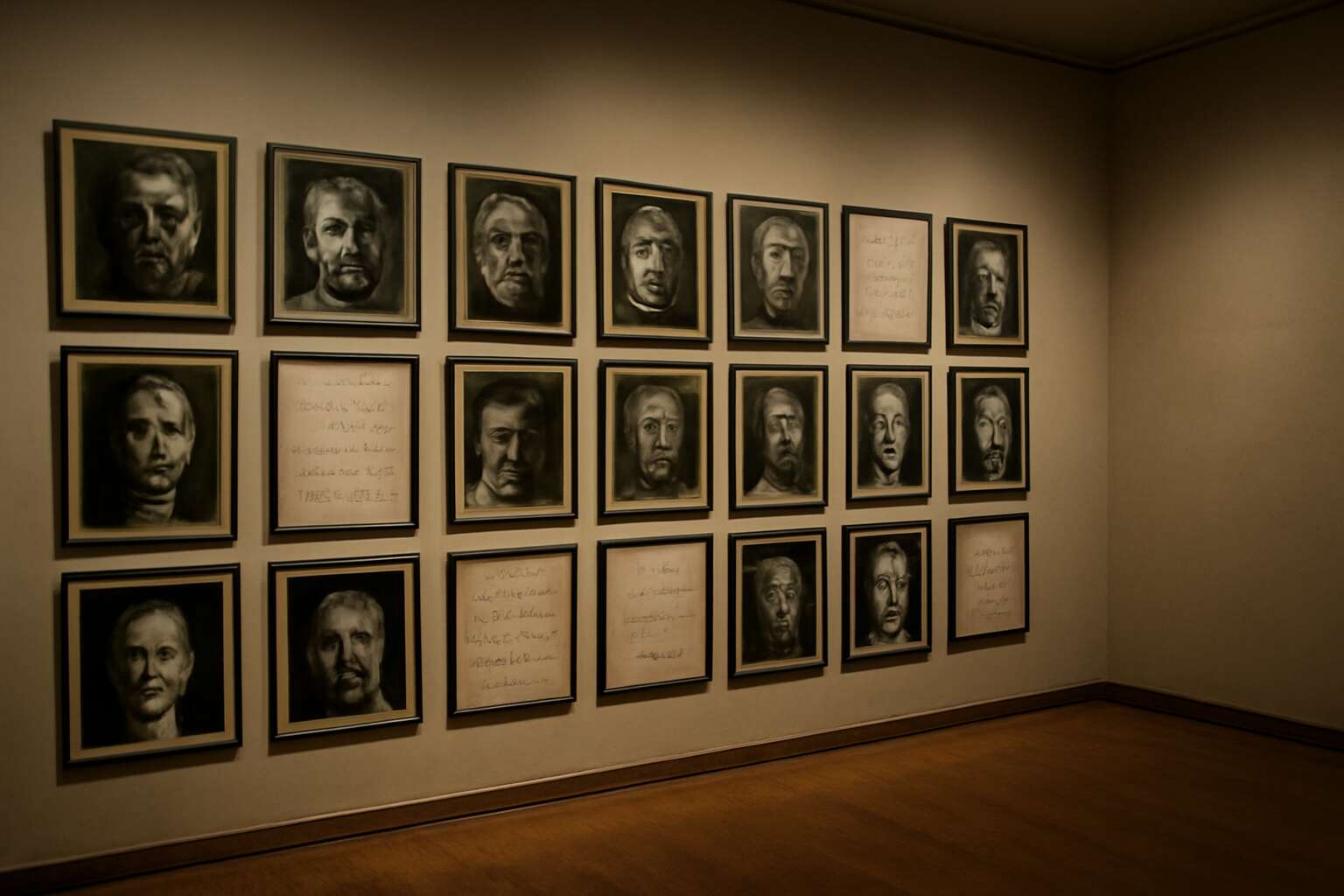
The Concept and Significance of Sorrow-Inspired Exhibitions
Defining grief themed exhibitions
Grief is not a gallery footnote; it is a doorway inviting visitors to listen with new ears. In South Africa’s vibrant arts scene, a recent survey found that 84% of attendees say sorrow-inspired works shift how communities remember and heal together.
A close look at the concept and significance reveals that sorrow-inspired exhibitions frame grief as a shared human weather, not a private ache. They fuse memory, space, and sound into narratives that unfold over time, inviting visitors to participate rather than observe.
- multisensory environments that pair sound, scent, and texture
- archival and oral histories from diverse South African communities
- reflective spaces for dialogue, repair, and connection
Significance extends beyond aesthetics: such exhibitions can cultivate empathy, strengthen cultural memory, and create inclusive forums for dialogue about loss and resilience. The exhibition of sorrows becomes a living archive that invites southern audiences to explore healing through art.
Historical roots of sorrow in art and display
84% of attendees say sorrow-inspired works shift how communities remember and heal together. In South Africa, this impulse travels beyond the gallery wall, becoming a living conversation about shared pain and hope—I’ve seen it happen firsthand!
Historically, sorrow in art has walked long corridors—from medieval lamentations and vanitas to modern installations that let grief unfold in space. In South Africa, local rituals, memory landscapes, and public memorials shape this lineage.
The concept is significant because it converts private ache into public inquiry. By weaving memory, place, and sound, the exhibition of sorrows creates an accessible forum for empathy, cultural memory, and inclusive dialogue about loss and resilience.
As a living archive, it invites South African audiences to explore healing through art.
Emotional impact on visitors and communities
In South Africa, the gallery floor becomes a threshold—84% of attendees report that the exhibition of sorrows reshapes how communities remember and heal together. It’s not merely art; it’s a shared rite.
The concept fuses memory, place, and sound into a living archive. Sorrow-inspired exhibitions invite visitors to engage as co-authors of resilience, turning private ache into public inquiry.
- Memory becomes a shared practice that outlasts the show
- Listening rituals anchor communities to resilience
- Spatial design makes grief navigable rather than hidden
In public spaces—from townships to urban centers—these experiences ripple into schools, memorials, and daily conversations, reframing loss as a catalyst for empathy and collective action.
Cultural interpretation and symbolism of sorrow
Across South Africa, 63% of visitors to sorrow-driven spaces report that the exhibition of sorrows reshapes how communities speak about loss. The concept treats sorrow as a living archive—memory, place, and sound braided into a rite that feels almost ceremonial, as if the past leans in to listen.
Symbolically, sorrow is interpreted through material choices, echoing spiritual and cultural meanings; it becomes a compass for resilience. Observers note visitors lean into whispers and footsteps, and the room seems to breathe with them!
- Memory as ritual, not relic
- Space as vessel for shared grief
- Sound as listening and release
In public spaces—from townships to urban cores—these experiences ripple into schools, memorials, and daily conversations, reframing loss as a catalyst for empathy and collective action.
Ethical considerations in representing suffering
The exhibition of sorrows reframes grief as a living archive—memory braided with place and sound, a rite that invites rather than hoards emotion. In this approach, sorrow becomes a social material, shaping conversations about loss and resilience across South African communities. The room breathes with visitors, listening more deeply than they speak.
Ethical considerations anchor every choice in sorrow-inspired display. Representation should honor lived experience, obtain consent through ongoing community engagement, and avoid sensationalism that exploits pain. To guide practice, key principles include:
- Consent and ongoing community involvement
- Dignified portrayal and avoidance of sensationalism
- Trigger awareness, safety, and accessibility
- Transparency about sources and contexts
In this light, the ethical compass becomes part of the exhibit’s fabric, letting sorrow speak without overshadowing the people it represents.
Curation and Design for Emotional Exhibitions
Curatorial approaches to grief and healing
In the exhibition of sorrows, curation is a dialogue, not a display. Recent surveys in SA galleries report that 68% of visitors leave with a clearer sense of their own grief and a sharper question for what comes next.
Design frames become conduits for emotion: a measured pace, restrained lighting, tactile textures, and multilingual texts that welcome a diverse audience. I favour rooms that breathe, inviting visitors to move with intention rather than rush to conclusions!
Key design moves include:
- Pause spaces that invite contemplation
- Subtle soundscapes and quiet corners
- Multilingual labels for inclusive meaning
This approach respects healing processes and invites communal memory, turning sorrow into a grounded, shared experience.
Spatial layout and visitor pacing for emotional resonance
In the exhibition of sorrows, space functions as a patient guide rather than a backdrop. SA gallery surveys show 68% of visitors leave with a clearer sense of their grief and a question for what comes next, proving layout can foster reflection as much as response. The building unfolds as a living map: rooms that breathe, thresholds that invite pause, and routes that slow the eye and the heart. Visitors are invited to sit with the moment, listening to space as it lengthens meaning.
Spatial layout and visitor pacing become acts of empathy, letting memory travel gently through architecture rather than rush toward conclusions.
- Contemplative interludes that slow pace and invite breath
- Subtle acoustics and intimate corners for listening
- Multilingual, tactile captions to welcome a diverse audience
This careful choreography turns sorrow into a grounded, shared experience that respects healing and threads communal memory through the exhibition of sorrows.
Sensory design with lighting sound and media
“Grief is not a moment but a space we move through,” a curator notes, and that conviction guides the exhibition of sorrows. In crafting this exhibition for South Africa’s diverse audiences, the sequence should feel like a breath—measured, reverent, and intimate—so visitors inhabit memory rather than watch it pass.
- Lighting that whispers, with a palette of warm ambers and cool blues
- Sound design that folds gently into the room’s corners, avoiding intrusion
- Media and projection that reflect personal stories without sensationalism
The design embraces sensuality: textures, contrasts, and tempo create a sensory map that invites lingering. A quiet glow, a muted projection, and spatial acoustics align to slow time, letting bodies breathe and minds convene with sorrow as a shared language.
Accessibility and inclusion in emotionally charged shows
“Grief travels best when doors are open,” a curator once said, and that conviction guides the exhibition of sorrows in South Africa. Accessibility is not an afterthought but the backbone of design—gentle lighting, inclusive wayfinding, and multilingual captions inviting every visitor into memory.
Our curation treats accessibility and inclusion as living conditions of emotion: spaces that adapt to tempo, seating that welcomes varied bodies, and interaction that honors diverse ways of sensing sorrow!
- Accessible routes and alt text for visual content
- Sensory-friendly hours and quiet zones for reflection
- Clear, inclusive language and representative captions across media
The result is a show that speaks to a broad public, weaving healing into form and making resonance feel universal rather than exclusive.
Audience Experience and Engagement with Grief Art
Emotional journeys and expectations in galleries
Entering a gallery, the audience negotiates with memory and time. In South Africa’s tapestry of communities, the emotional pulse shifts as voices share stories and pause toward the works. This is not mere display; it becomes a quiet reckoning with sorrow that asks spectators to name losses.
Emotional journeys unfold through light and space. In an exhibition of sorrows, engagement is layered—sensory cues pull attention, while silence invites reflection.
- Quiet contemplation between works with personal pacing
- Guided discussions that welcome diverse grief narratives
Expectations in galleries are shaped by careful curation and inclusive language. For South African audiences, the experience sits at memory’s crossroads, inviting visitors to bear witness, grieve, and move with the art.
Interactive and reflective elements that deepen connection
“Grief is a map, not a wall,” a visitor once told me, and in South Africa that sentiment sticks. A recent gallery survey shows visitors linger 60% longer when reflection is invited.
Audience experience unfolds as layered engagement—breath and light guiding each observer on a personal pace, while silence holds space for naming what hurts. This is the heart of the exhibition of sorrows, not spectacle but a shared reckoning.
Engagement deepens through interactive elements that invite reflection.
- Memory cards where visitors inscribe a name or moment
- Quiet listening stations with oral histories from diverse South African communities
- Guided prompts for small-group conversations
By design, these interactions respect varied grieving processes, inviting schools, families, and individuals to contribute their voices while moving through different rooms. The result is empathy catalyzed—not erased—by shared presence.
Support resources and well being safeguards for visitors
In the exhibition of sorrows, audiences linger where reflection is invited. A recent gallery insight shows visitors stay 60% longer when quiet, contemplative spaces are part of the journey.
I witness breath guiding pace, light and shadow shaping each observer’s tempo. Grief Art Support resources and well being safeguards accompany this voyage—signposted spaces, trained staff, and clear pathways that honor diverse grieving rhythms across South African communities.
- On-site counselors and confidential listening spaces for immediate support
- Trained staff skilled in trauma-informed communication and debrief guidance
- Accessible design, sensory cues, and time-out zones for rest or reflection
These measures ensure the audience can engage with the exhibition of sorrows with dignity, connection, and safety.
Community dialogue and post exhibition conversations
The exhibition of sorrows doesn’t fade with the closing credits; it invites ongoing dialogue that respects pace, memory, and the stubborn humor of our humanity. In South Africa, audiences carry conversation beyond the gallery walls into coffee spots, community halls, and social spaces, where reflective pauses become bridges between neighbors, families, and visitors who met grief with a shared resolve.
Structured post-exhibition conversations give shape to these encounters. Moderated roundtables, artist-led talks, and multilingual dialogue acknowledge different grieving rhythms while keeping dignity at the center.
- Public forums and artist Q&As
- Online discussion groups and story circles
- Community partner-led reflections in schools and cultural centers
These channels ensure the dialogue remains inclusive, accessible, and resonant long after the gallery doors close.
Content Strategy and SEO for Sorrow Themed Exhibitions
Keyword strategy and semantic relevance
From Cape Town to the Karoo, the hush of a gallery can cradle heavy truths. The exhibition of sorrows thrives when a narrative refuses glitter and invites the mind to linger. “Sorrow is a lighthouse in the dark,” a curator once whispered, and that line reminds us that tone, timing, and place matter as much as any object on the wall. The room seems to inhale with you, listening. I felt it!
Content strategy for sorrow-themed exhibitions must weave SEO into atmosphere, not interrupt it. Consider these pillars:
- Keyword strategy aligned to SA audiences and multilingual contexts
- Semantic relevance linking grief, healing, and community narratives
- Content pillars: artist statements, curator notes, and visitor reflections
- Inclusive metadata and accessible language to boost search visibility
In the end, searchers find a map for meaning—curatorial voice guiding them gently toward reflection.
Metadata optimization and alt text strategies
In the quiet rooms where lights bend around memory, the exhibition of sorrows becomes a map, not a spectacle.
A curator whispered that truth travels faster when metadata mirrors the wall text—clarity born from care, not keyword stuffing!
For South African audiences, the atmosphere translates across languages.
Metadata optimization and alt text strategies do more than tag images; they embed the exhibit’s intent into search engines and screen readers. Craft titles and descriptions to reflect mood, use structured data for exhibitions, and write alt text that conveys scene and emotion.
- Meta titles and descriptions reflect the exhibition’s themes
- Alt text that conveys visuals, mood, and human stories
- Structured data with schema.org/ExhibitionEvent to boost discovery
- hreflang tags for SA languages to reach diverse readers
Beyond visibility, metadata shapes visitors’ journey—leading seekers to reflection rather than clicks. The aim is not a loud banner but a compass for lingering, conversation, and healing.
Content formats and storytelling approaches
Across South Africa’s galleries, the exhibition of sorrows proves engagement climbs when stories unfold across formats. Recent analytics show pages with cross-format storytelling hold 40% longer dwell times—proof that care, not clutter, keeps minds on screen.
Content formats to consider to tell the story in a way readers linger and feel: a blended mix lets visitors move through memory at their own pace.
- long-form narratives anchored by memory and place
- diary-style entries and audio diaries
- visual essays and limited video fragments
We shape journeys around voices—first-person testimonies, communal memories, ritual acts. I listen for the quiet breath between lines and feel the room shift as someone revisits a memory!
Seek to balance readability with discoverability through clear language, accessible headings, and language variants that reflect SA’s diversity, inviting a broader audience into the exhibition’s core. These choices frame discovery as memory work, not a performance, inviting personal reflection.
Promotion partnerships and channel mix
In South Africa, a well-crafted content strategy turns sorrow into conversation. Recent analytics show that pages weaving formats keep readers 40% longer, a clear sign that care beats clutter.
SEO for the exhibition of sorrows means aligning storytelling with local search intent—memory, place, and community voices—while keeping headings readable and accessible in multiple languages.
- Promotion partnerships with local galleries, schools, libraries, and NGOs
- Channel mix prioritizing email, social, radio, podcasts, and community events
- Content calendars aligned to cultural dates and anniversaries
Together these elements build discoverability without sensationalism, inviting personal reflection and ongoing dialogue. exhibition of sorrows becomes a shared memory, not a performance.
Performance metrics and impact assessment
That attention-trend stat is hard to ignore: in South Africa, pages weaving formats keep readers 40% longer. For an exhibition of sorrows, that means storytelling that breathes on screen and in the gallery—clear, readable, and easy to share.
Content strategy and SEO for sorrow-themed shows hinge on aligning narrative threads with memory, place, and community voices. We optimize headings, meta, and multilingual accessibility so the exhibition of sorrows surfaces in local search and in folk memory, not just as abstract art talk.
- Average dwell time and scroll depth on exhibition pages
- Normalized engagement across formats (video, audio, text)
- Multilingual page views and search prominence
- Qualitative reader sentiment and conversation volume
To gauge impact, we track a compact set of performance metrics and adjust content cadence.
Impact assessment blends numbers with narrative ripple: longer-term community dialogue, partnerships formed, and memory preserved through intentional programming and inclusive storytelling.




0 Comments