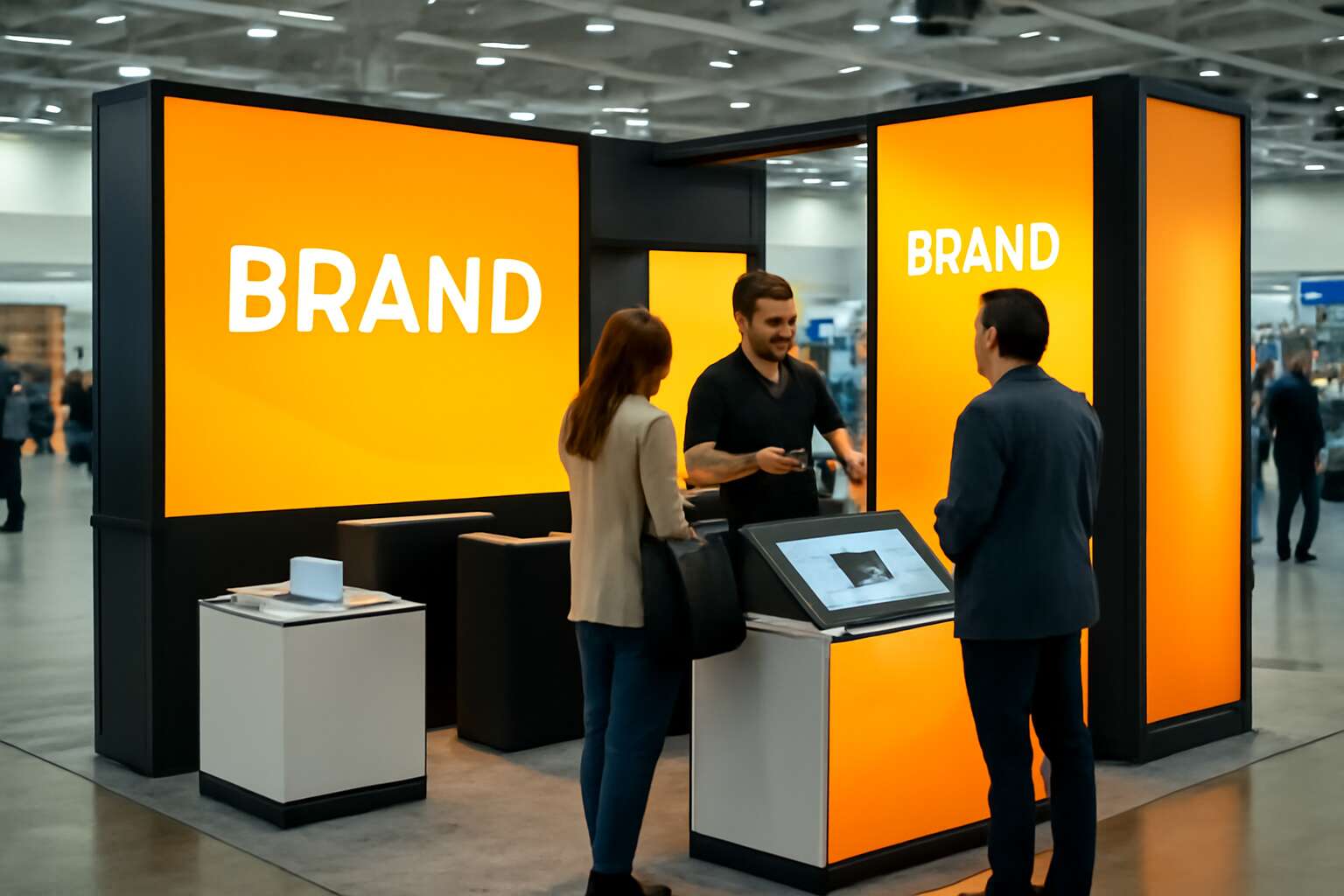
Understanding Stand Display Goals for Exhibitions
Define your target audience and event objectives
South Africa’s expo floors crackle with ambition, and those who lead with a clear objective unlock the room’s energy. Booths can stumble when the goal is unclear. A standout exhibition stand display isn’t luck; it begins with a punchy hook, a sharp idea, and a fearless question that guides every decision.
Define the target audience and event objectives, then let those answers steer design, staff training, and messaging. When the audience and aims are clear, the display emerges as a living map rather than mere decor.
- The primary audience and their needs inform the stand’s focal messages
- Desired outcomes at the show shape the exhibit’s emphasis
- Visuals, copy, and host scripts align with those aims to create coherence
On the floor, every element must whisper the purpose behind the stand. A well-aimed exhibit can pull visitors closer, even in a crowded hall—like a friendly specter guiding them toward meaning, not noise.
Align stand design with brand storytelling
The floor is a stage, and your brand’s story is the script that decides who stops and who sails by! In South Africa’s bustling expo halls, an exhibition stand display that leans into narrative cuts through the chatter and stays in memory long after the booth lights fade.
Alignment matters: the stand design should carry brand storytelling from the moment a visitor notices the palette to the last conversational cue at the host desk. A cohesive tale—visuals, copy, and host scripts—turns visitors into participants, not passers-by.
- Consistent brand voice across visuals and host dialogue
- Clear visual hierarchy guiding attention
- Story-led layout that invites exploration
When the goal is storytelling, every element whispers the same purpose, ensuring the stand display becomes a living map rather than décor. The outcome is not luck but a charm offensive that invites dialogue and meaning.
Set measurable success metrics and KPIs
Goals are the north star of any exhibition. In a crowded arena, a well-defined aim makes your exhibition stand display slice through the noise and invite meaningful dialogue, not idle glances.
Set measurable success metrics and KPIs that dance with your narrative. I’ve seen stands bloom when data follows intent.
- Lead quality and conversion rate
- Average dwell time at the stand
- Number of demos or meetings scheduled
- Post-show follow-up rate and ROI signals
Track these with simple tools—badge scans, CRM notes, and the analytics baked into digital signage. When numbers align with your brand story, the stand display becomes a living map rather than décor.
In South Africa, the audience speaks in data and dialogue. Let goals breathe through every moment—the entrance, the host desk, the demo area—so the story travels farther than the booth lights.
Budgeting for impact and ROI
In the arena of exhibitions, a single stand can stand out when its story breathes with purpose. In South Africa, budgets lean toward value and relationships—the aim is ROI measured in conversations, not invoices. An exhibition stand display becomes the doorway into that dialogue.
Budgeting for impact means letting the money follow the story. Smart exhibitors in South Africa treat spend as a creative investment—lighting and graphics that illuminate the narrative, adaptable tech that invites curiosity, and time carved into the floor plan for genuine dialogue. When ROI is the compass, success shows up as meaningful conversations and lasting connections, not rapid transactions.
Timeline and project milestones
A crisp, punchy hook: In exhibitions, value travels on the speed of a plan. A recent South Africa-based survey hints that the strongest conversations bloom when goals are mapped weeks ahead, not improvised on the floor. Your exhibition stand display becomes a doorway to dialogue only when its purpose is crystal.
Understanding stand display goals requires a living timeline: from concept through production to on-site whispers of impact. Align milestones with brand storytelling, not just logistics, so the narrative breathes at every touchpoint—the screen, the lighting, the host who welcomes visitors.
- Kickoff: align on desired outcomes.
- Design rhythm: ensure storytelling breathes.
- On-site flow: test timing and tech.
Design Elements and Visual Branding
Branding consistency across every visual touchpoint
First impressions form in under seven seconds, and cohesive branding makes those moments count. Strong design elements set a single, clear tone from the first glance.
Design elements include typography, color, layout, and materials. For branding consistency, ensure every surface mirrors the same style. This means signage, banners, and wall graphics share a unified voice.
- Brand colors
- Typography
- Imagery style
Visual branding extends beyond prints to digital screens, staff apparel, and giveaways. A consistent look travels with the attendee across the floor plan and into conversations, reinforcing recognition.
South Africa’s bustling expo scenes demand resilience and clarity under varied lighting. When branding holds steady across touchpoints, the exhibition stand display becomes memorable, credible, and inviting.
Color palettes, typography and imagery
In the heart of South Africa’s bustling expo scene, seven seconds can decide whether a passerby steps closer or moves on. A memorable exhibition stand display trusts color, typography, and imagery to speak in one, confident voice from the first glance. The color palette should reflect brand mood while thriving under mixed lighting; type should scale gracefully from signage to banners, and imagery should carry a narrative that invites conversation.
Think of design elements as a trio that travels with the attendee across the floor:
- Color palettes that harmonize with lighting and material textures
- Typography choices that maintain legibility at distance and in close dialogue
- Imagery style that conveys your brand story in a single frame
Beyond print, let these visuals anchor digital screens, staff apparel, and giveaways, creating a consistent journey from curb to booth. When this unity holds under Johannesburg glare or Cape Town sun, the stand feels credible, inviting, and ready for dialogue.
Layout theory, grid systems and focal points
Seven seconds is the window to grab a passerby and plant a question in their mind—will they cross the floor, linger, or drift away? In an exhibition stand display, perception begins with a disciplined layout. Grid systems choreograph space like a conversation map: lines guide entry, blocks frame value, and a clear focal moment anchors attention amid the throng.
- Begin with a dominant focal point at the most visible angle to invite a first glance.
- Align elements to a master grid to preserve rhythm from kiosk to banner.
- Use deliberate negative space to let key messages breathe and travel with the eye.
When the layout respects the grid, the stand reads as a single, confident narrative—coherent at distance and intimate up close, ready to spark conversation with curious feet.
Lighting, multimedia and sensory effects
Seven seconds—it’s the blink of an eye in a crowded hall, yet in that moment your exhibition stand display must whisper a story and invite curiosity. Lighting should sculpt the path, color cue mood, and a touch of multimedia should hum with relevance. On South Africa’s bustling expo floors, multisensory cues turn a plain booth into a beacon that feels both boutique and bold.
Design elements to weave into the stand’s aura include:
- Warm, directional lighting to guide the eye across the space
- High-contrast digital media that echo brand storytelling
- Textured surfaces and subtle soundscapes that invite touch and listening
The result is a coherent, immersive impression that travels from afar to up-close, inviting conversations with curious feet.
Accessibility, readability and inclusive design
Seven seconds—it’s the blink on South Africa’s buzzing expo floors, yet a smart exhibition stand display can whisper a story and invite curiosity. Design anchors the moment: warm, directional lighting guiding the eye, high-contrast digital media echoing brand storytelling, and textured surfaces inviting touch. Readability and inclusive design sit at the core—clear typography, ample white space, and signage accessible to diverse languages and abilities. When these cues align, the stand feels boutique and bold, welcoming every passerby.
To translate accessibility into action, align copy and visuals with inclusive principles so the exhibition stand display stays legible across the hall. These essentials turn attention into understanding and conversations:
- High-contrast typography and generous line spacing
- Descriptive, concise copy with universal icons
- Tactile textures and braille-ready signage where feasible
- Clear audio levels with captions or transcripts for multimedia
Stand Types, Configurations and Space Planning
Inline, island and corner stand configurations explained
SA’s bustling exhibition circuit rewards clarity: a well-crafted exhibition stand display can boost interactions by 35% when sightlines are clean and branding speaks at a glance. It’s not walls alone; it’s a narrative spine that guides visitors and invites dialogue.
Inline, island and corner configurations each shape how conversations unfold and where your brand voice lands in the first impression.
- Inline: single-facing exposure along a single aisle, cost-efficient and easy to populate with product stories.
- Island: 360-degree branding, high presence, and deliberate traffic management to invite interactions from every direction.
- Corner: two open faces that catch eyes from two aisles, ideal for spontaneous conversations and efficient product sampling.
In space planning, module concepts help you scale gracefully. Align signage and furniture so messages land at eye level, with room for demonstrations and conversations without crowding the footprint.
Pop-up, modular and custom build options
Across South Africa’s bustling show floors, an exhibition stand display that feels crafted from legend can spark conversations the moment visitors glimpse your branding. South Africa circuits reward clarity: clean sightlines and a purposeful narrative lift interactions by up to 35%, turning fleeting glances into meaningful dialogue.
Stand types, configurations and space planning come alive through pop-up, modular and custom build options. They scale from compact footprints to expansive experiences, aligning messages at eye level and leaving room for live demos without crowding the footprint.
- Pop-up stands for quick setup and agile storytelling
- Modular systems that grow with your event schedule
- Custom builds to deliver immersive brand narratives
Rental vs purchase: cost and flexibility
Across South Africa’s bustling show floors, stand types and configurations rise like characters in a storyboard, guiding visitors along a deliberate narrative. An intelligently planned space makes conversations inevitable—clear sightlines, purposeful branding, and room for live demos without crowding the footprint. An exhibition stand display can feel crafted from legend the moment a visitor glimpses your branding, turning fleeting glances into meaningful dialogue.
Rental vs purchase comes down to cost, cadence and control—the right choice depends on your event schedule.
- Capital outlay and cash flow
- Lead times, flexibility, and storage
- Maintenance, transport and on-site setup labor
From compact footprints to expansive experiences, the mix of modular elements and bespoke touches scales with your audience and goals. Rental delivers rapid deployment and lower ongoing risk, while purchases create enduring brand assets and smoother logistics for a year of shows on South Africa’s circuit.
Space planning: flow, crowd management and booth zones
Stand types are chapters in a showroom tale. On South Africa’s busy show floors, a well-planned space guides visitors with the same confidence you’d expect from a seasoned narrator. I’ve found an exhibition stand display that invites a closer look can turn a passing glance into a meaningful conversation. Space planning becomes choreography: crisp sightlines, measured pacing, and distinct regions that host demos without crowding.
To translate this into practice, think of the space as a stage with clearly defined moments:
- Greeting hub for fast-entry and qualification
- Hands-on demonstration corridor
- Consultation alcove for deep dives
- Back-of-house storage and tech control
Smart circulation keeps lines lean and ensures visitors encounter your primary messages first. Use lighting and typography as narrative cues that guide attention from entry to engagement, without shouting at your audience.
When the layout breathes, the conversation follows—foot traffic becomes dialogue in motion!
Safety, accessibility and venue requirements
On South Africa’s bustling show floors, an exhibition stand display becomes a living story that guides the eye and sustains the conversation. Inline, island, and corner stand types set the frame, while configurations carve moments for quick greetings, hands-on demos, and thoughtful consultations. When safety and accessibility pace the design, the space breathes and invites genuine engagement from the first step.
To weave this into venue reality, consider guardrails that honour safety, accessibility and venue requirements:
- Inclusive paths and clear sightlines
- Gentle, high-contrast lighting for all patrons
- Venue parameters: height, floor load, electrical and fire rules
- Emergency egress and staff routing as part of the narrative
Materials, Durability and Maintenance
Choosing materials for durability and transport efficiency
Materials that travel well define the exhibition stand display before anyone speaks. For SA shows, aluminum frames and durable fiber laminates strike a balance between lightness and strength. Key materials to consider include:
- aluminium profiles for lightness
- high-density foam cores with fabric skins
- recycled plastics with UV-stable finishes
Durability comes from modularity and finishes that resist wear. Corrosion-resistant connectors and impact-tolerant panels help your stand keep its charm from Durban to the Karoo, even after transport jolts. Your stand display lasts longer when parts are designed to be swapped in.
Maintenance is simple, almost devotional: wipe, inspect seams, and store components in ventilated cases. In SA venues, dust and humidity demand breathable fabrics and routine checks so the colours stay true.
Fabric, panel and rigid material trade-offs
Light as a whisper, a well-chosen exhibition stand display begins with material poetry. Aluminium profiles carry you forward with minimal weight; high-density foam cores with fabric skins soften edges; recycled plastics lend sustainable sheen. “The frame carries the message; the skin tells the story,” a seasoned designer reminds us, and the truth lands from Cape Town to the Karoo.
Durability follows from modularity and finishes that resist wear. Corrosion-resistant connectors and smart panel junctions keep the line pristine after transit. Maintenance fabric shines when chosen for breathability and colourfastness in South Africa’s dust-prone venues. For panel and rigid material trade-offs, rigid panels deliver crisp graphics, yet heavier or pricier; fabric skins save weight but demand careful tensioning and swaps.
- Weight vs rigidity
- Surface durability vs cost
- Repairability vs lifecycle
Protective finishes, cleaning routines and maintenance schedules
In South Africa, an exhibition stand display wins the moment doors swing open. A well-planned surface treats every touchpoint like a living canvas. “The frame carries the message; the skin tells the story,” says a seasoned designer.
Materials set the tone: protective finishes guard wear; UV laminates and corrosion-resistant connectors keep lines pristine after transit. South Africa’s dust-prone venues demand breathable fabrics and easy-clean surfaces.
- Daily microfiber wipe to remove dust
- Weekly cleaning with mild detergent on non-painted areas
- Quarterly inspection of joints and fabric tension
Maintenance schedules ensure the exhibition stand display stays legible and welcoming long after the show. A calendar aligned with show cycles minimizes downtime and protects colourfastness and surface integrity.
Sustainable and eco-friendly material options
In South Africa, 76% of trade-show attendees say they decide within the first ten seconds whether a stand is trustworthy. An exhibition stand display becomes a living invitation, a canvas that breathes with your brand as visitors lean in and listen. “The frame carries the message; the skin tells the story,” a seasoned designer reminds us, and the insight carries weight in crowded halls.
Materials set the tone for durability and elegance, with sustainable choices leading the way. Eco-friendly options keep lines pristine after transit and invite touch without compromise:
- Recycled aluminum frames
- Hemp or bamboo fabrics
- Reclaimed wood veneers
- Bio-based laminates and PET felt
Durability stems from lightweight, modular systems that resist creases and warping, while maintenance favours breathable surfaces and simple-clean finishes. A conscious material strategy protects colourfastness and the stand’s welcoming aura long after the doors swing open.
Technology, Interactivity and Lead Capture
Digital signage, video loops and content scheduling
Across South Africa’s bustling trade floors, the spark is rarely about slogans alone but the cadence of visuals. Up to 70% higher engagement has been observed where immersive tech animates the booth. An exhibition stand display becomes a narrative rather than a display!
Interactivity shifts passersby into participants: responsive kiosks, gesture triggers, and guided exploration. Digital signage in smart loops commands attention, while content scheduling ensures the message lands at the right moment.
- Digital signage that adapts to the crowd in real time
- Video loops that sketch your value proposition in concise reels
- Content scheduling to align with keynote talks and demos
Lead capture emerges not as a tactic but as a quiet throughline: attendees opt in via on-stand prompts, data flows to your CRM, and follow-ups begin while the memory is still fresh.
Interactive demos, touchscreens and gamification
Technology hums at the heart of an exhibition stand display, a hallmark across South Africa’s bustling trade floors. Real-time analytics, crowd-responsive lighting, and pocket-sized AR moments keep the booth alive without shouting. When visuals sync with the room’s tempo, the message lands with fluency.
Interactivity turns onlookers into participants. Interactive demos, touchscreens, and gesture triggers spark dialogue, while gamification nudges visitors toward meaningful actions. The booth becomes a conversation, not a one-way billboard, leaving attendees with a story to tell as they move on.
Lead capture is the quiet throughline. Attendees opt in via on-stand prompts, data flows to the CRM, and follow-ups begin while the memory is still fresh. In this setup, the booth quietly nourishes tomorrow’s pipeline.
Lead capture methods, data capture and CRM integration
Technology hums at the heart of an exhibition stand display, weaving real-time analytics, beacons, and pocket-sized AR moments into a seamless, non-intrusive experience. Sensors tuned to crowd tempo adjust lighting and content cues, letting the booth breathe with the rhythm of the room.
Interactivity turns onlookers into participants. Demos, touch gestures, and playful prompts spark dialogue—and the conversation becomes the currency of the booth.
- Badge scans and QR codes for opt-in data capture
- In-stand opt-in forms on touchscreens
- CRM-ready leads pushed to your venue CRM in real time
Lead capture methods and data capture with seamless CRM integration ensure the memory of a good moment is not lost. The right workflow nudges follow-ups while the memory is still fresh, nourishing tomorrow’s pipeline.
Privacy, consent and venue data guidelines
Technology hums at the heart of an exhibition stand display, weaving real-time analytics, beacons, and pocket-sized AR moments into a seamless, non-intrusive experience. Sensors tuned to crowd tempo adjust lighting and content cues, letting the booth breathe with the rhythm of the room.
Interactivity turns onlookers into participants. Demos, touch gestures, and playful prompts spark dialogue—and the conversation becomes the currency of the booth.
- Demos that showcase core benefits
- Intuitive touch flows
- Gamified prompts inviting questions
Lead capture privacy, consent and venue data guidelines protect memory as a moment unfolds. Badge scans and QR opt-ins, in-stand forms, and CRM-ready leads must align with POPIA and venue rules, with clear opt-out paths and data minimization.
- Explicit consent for each data use
- Retention limited to event duration
- Access and deletion requests honored
- POPIA-compliant storage and encryption
Staff training, on-stand etiquette and visitor engagement
An exhibition stand display in South Africa should feel like a pulse, not a prop. Industry gauges suggest 68% of attendees remember booths that fuse warmth with live tech after a single pass. Technology at the core—sensors, beacons, pocket-sized AR moments—lets lighting and content breathe with the room’s tempo.
Interactivity turns onlookers into participants. Demos should reveal practical benefits, intuitive touch flows guide exploration, and gamified prompts invite dialogue, shaping conversations into currency for the booth.
- Hands-on experiences that reveal practical benefits
- Intuitive gestures for seamless exploration
- Light, playful prompts that invite conversation
Lead capture and visitor engagement hinge on staff training and on-stand etiquette. A well-prepared team greets with a human touch, respects personal space, and can gracefully shift pace to match the crowd. They guide visitors toward opt-ins with clarity and keep the experience memorable. This exhibition stand display mindset keeps the room open and invites lasting connections.
Vendor Selection, Budgeting and Logistics
Choosing a stand builder: portfolio, timelines and support
Eight seconds—that’s the window in which a passerby decides whether an exhibition stand display is worth a closer look. In South Africa’s bustling expo circuit, that window is priceless. Roughly two-thirds of attendees form their first impression within moments, so your choice of partner matters as much as your design.
Vendor selection boils down to portfolio, timelines and steadfast support. I look for partners who bring data, not guesswork, and portfolios that mirror your sector, with a clear production cadence for your exhibition stand display.
Budgeting for an exhibition stand display means tracing fabrication, transport and contingency costs against ROI, not mere sticker price. In practice, align budget with realistic timelines and a lean logistics plan that minimizes downtime and preserves the stand over time.
The right stand builder becomes a partner in story, not merely a contractor; their portfolio, timelines and support shape what your audience remembers.
Comprehensive budgeting for design, production and shipping
A bustling expo demands more than a pretty shell; it rewards velocity. Your exhibition stand display has eight seconds to earn a closer look in South Africa’s bustling expo circuit, and buyers remember the partner who shows up ready. When you pick vendors, favor data-driven teams with portfolios that mirror your sector and a transparent production cadence you can actually rely on.
Comprehensive budgeting means tracing design, production and shipping costs against ROI, not the sticker price. Consider these budget pillars:
- Design and prototyping costs
- Fabrication, finishes, and assembly
- Transport, installation, and on-site support
- Contingency and post-show maintenance
On the logistics side, lock in timelines with the venue, arrange storage and crate handling, and empower the on-site crew to glide through setup and breakdown. A lean, well-coordinated plan protects the investment long after the show doors open.
Storage, on-site setup and teardown planning
South Africa’s expo circuit is a tide of chatter, and your stand is the first spark a buyer notices. I look for partners who balance bold, brand-led storytelling with disciplined timelines, turning ambition into production cadence and clarity—so the project sings from sketch to show floor.
- Partner fit and sector-aligned portfolios
- Transparent production cadence and schedule visibility
- Post-show support and data capture capabilities
Budgeting is about ROI, not sticker price. A lean ledger tracks design, transport, and storage, ensuring crates are handled with care and reassembly unfolds smoothly. Your exhibition stand display arrives ready to captivate, while contingency funds cover the twists every fair hides.
On-site setup and teardown demand reverence for space, safety and timing. I favour settings where the crew rehearses flow, access is easy, and logistics stay invisible to visitors. A thoughtfully planned teardown preserves relationships and keeps future partnerships porous with possibility.
Shipping logistics, installation safety and insurance
Vendor selection isn’t a race to the cheapest quote. It’s a moral calculation for South Africa’s buzzing expo circuit: I choose partners who treat an exhibition stand display as a living brand moment, not a one-off build. The right collaborators blend bold storytelling with disciplined timing, turning ambiguity into a production cadence that sings on the show floor.
To separate craft from bravado, I rely on non-negotiables rewritten in practical terms:
- Credentials and relevant show portfolios that prove sector resonance
- Clear production milestones and real-time visibility
- Post-show engagement and data strategy that extend value
Budgeting becomes ROI literacy, not sticker price fantasy. I map design, transport, storage, and insurance into a lean ledger, keeping crates safe and reassembly seamless. Shipping logistics demand cradle-to-grave care—from customs to door delivery—while installation safety and insurance anchor every move on the floor.
Compliance with venue rules and permits
Vendor selection isn’t a race to the cheapest quote in South Africa’s buzzing expo circuit. I seek partners who treat an exhibition stand display as a living brand moment—bold in storytelling, precise in timing, and unafraid to challenge the ordinary! Credentials, sector resonance, and a portfolio that proves durable craft matter more than flash.
Budgeting becomes ROI literacy; I map design, transport, storage, and insurance into a lean ledger, chasing value, not vanity. Clear milestones and real-time transparency keep budgets honest, while a post-show data plan extends the conversation beyond the floor.
Logistics must comply with venue rules and permits: electrical, load, fire, and access constraints—treated as non-negotiables, not afterthoughts. A cradle-to-grave approach from customs to door delivery ensures the stand lands ready for reassembly and resets the standard for on-floor discipline.
- Permits and electrical safety checks
- Crate labeling and customs paperwork
- On-site risk assessments and insurance validation


0 Comments