Exhibition Space Design Essentials
Layout Principles for Engaging Exhibit Areas
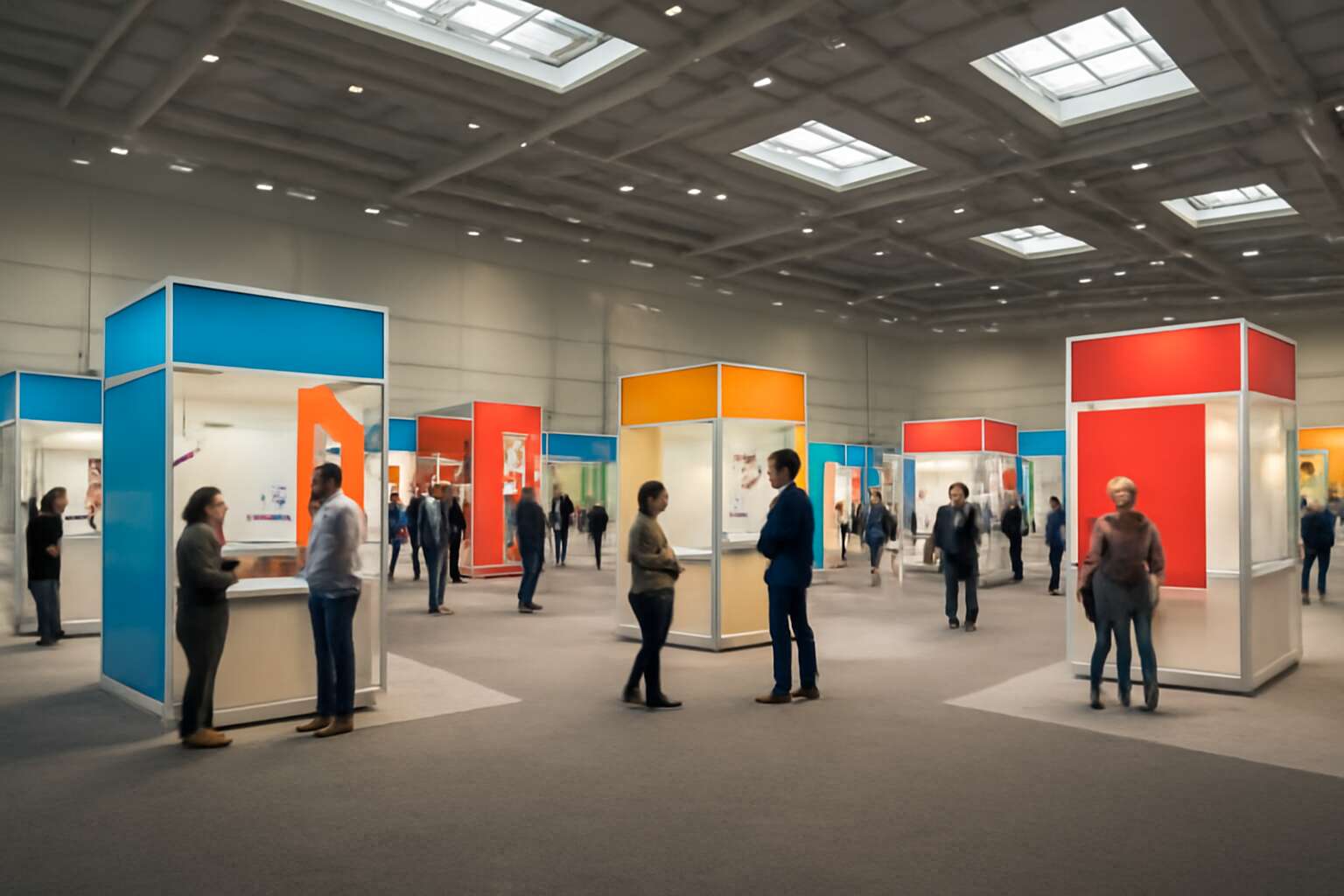
I watch visitors move through an exhibition area as if following a whispered story. A sharp sightline here, a sparing alcove there—sudden moments of pause become memory. In South Africa’s vibrant venues, space that breathes invites conversation and curiosity, turning simple stands into living rooms of experience.
Essentials emerge not in brute scale but in rhythm: proportion that respects human tempo, lighting that guides instead of glare, and flexible zones that morph with the program. I trust these cues to guide attention. Think of the exhibition area as a stage where art, tech, and narrative collide with light and material.
- Clear sightlines and intuitive wayfinding
- Flexible zones inviting linger
- Lighting as narrative: color, temperature, contrast
When these elements align, the space feels inevitable, a place where visitors wander, discover, and recall. The psychology of space becomes strategy, and the exhibit area becomes a memory you can walk through.
Zoning and Walkable Flow in Modern Exhibition Spaces
Zoning becomes choreography! Visitors drift along a natural rhythm, pausing where a thoughtful alcove or translucent screen invites a deeper look. A South African show floor note suggests dwell time rises by about 30% when routes feel intuitive and unforced.
Zones are not walls but living waypoints: a central hub for conversations, a demo lane for tech, quiet niches for private briefings in the exhibition area. Walkable flow means generous, legible progress—short sightlines, consistent flooring, and scaled furniture that invites lingering movement rather than forcing it. The result is a space that breathes, where the eye travels along a defined rhythm of light and texture.
Lighting becomes the narrative thread. Warm, directional light in the demo zone anchors attention; cooler corners invite reflection. When rhythm aligns, the space becomes a memory you stroll through.
Lighting and Color Schemes for Display Areas
Light is the quiet conductor of the exhibition area, turning glance into memory, with a whisper of the uncanny in the glow. Warm, directional lighting anchors product clusters, while cooler corners invite reflection, guiding visitors along a natural arc. In South Africa, dwell time can rise by roughly 30% when the lighting cues intention and routes feel effortless.
Color schemes must support clarity and mood without shouting. Try these essentials:
- Warm directional lighting for focal zones in the exhibition area
- Cool ambient tones in circulation to invite contemplation
- High-contrast text with matte finishes for legibility in bright spaces
Done right, the space breathes, and memory lingers as light, color, and texture perform in harmony.
Accessibility and ADA Compliance in Exhibit Spaces
Accessibility is not a box to tick; it’s the turn of the key to the exhibition area, inviting everyone to stand inside the dialogue. In South Africa, it translates into a choreography of routes, sightlines, and tactile cues that welcome diverse visitors without sacrificing elegance or pace.
- Step-free entry from street to gallery floor with smooth ramps and automatic doors
- Clear, high-contrast signage paired with tactile indicators for navigation
- Accessible seating, adjustable work surfaces, and inclusive restroom facilities
- Inclusive AV options: captioned content, induction loops, and accessible control interfaces
Designing for accessibility turns the space into a shared stage where every visitor moves with ease, allowing memory and meaning to unfold in concert.
Technology and Interactivity in Exhibit Areas
Digital Signage and Wayfinding in Exhibition Spaces
In an exhibition area here in South Africa, first impressions are shaped in seconds. A wall of digital signage paired with crystal-clear wayfinding can steer curiosity and calm confusion in equal measure. Recent studies suggest attendees spend roughly 60% longer in spaces that adapt in real time to their movements and questions.
Technology and interactivity breathe through Digital Signage and Wayfinding in Exhibition Spaces, turning static displays into navigable experiences.
- Consistent navigation cues across screens and maps
- Multilingual signage that speaks to diverse audiences
- Touch-enabled kiosks for product details and schedules
With thoughtful placement and reliable infrastructure, wayfinding becomes a subtle companion, not a barrier—inviting exploration rather than forcing it!
Interactive Elements that Drive Engagement
Technology and interactivity shift the mood of the exhibition area from passive gaze to active exploration. Smart displays respond to movement, micro-interactions trigger layered storytelling, and visitors follow a luminous path that unfolds like a narrative. In South Africa’s bustling venues, this energy translates into moments that feel almost supernatural in their immediacy.
- touch-enabled kiosks for product details
- AR overlays that reveal extra context with a tap or glance
- gamified challenges that guide visitors through key exhibits
Core elements driving engagement in the flow include hands-on kiosks, augmented reality overlays, and playful challenges. The list below highlights practical in-situ options:
When these interactive threads are stitched with reliable infrastructure, the experience becomes immersive, not gimmicky. Subtle cues, consistent data, and durable hardware invite visitors to linger, ask questions, and return to the exhibition area with new curiosity!
Augmented Reality and Virtual Tour Experiences
In South Africa’s venues, visitors stay 40% longer when AR and storytelling entwine. That spark turns the exhibition area from a simple display into a living map, where movement nudges content to bloom and curiosity traces new paths through the hall.
Augmented reality overlays blend with real objects, offering extra context with a tap or glance in the exhibition area. Immersive virtual tours thread through the space, guiding curious minds along a non-linear path that feels like a treasure hunt narrated by the walls themselves.
- handheld AR guides
- location-based narratives
- gentle, interactive markers
Together, these threads weave a seamless journey, inviting lingering questions and a renewed sense of wonder around every corner of the space.
Data Capture and Visitor Insights in Exhibits
Technology and interactivity turn spaces into living conversations. In South Africa’s venues, dwell times rise as inquiry travels with visitors, rather than waiting passively for attention. The hall becomes a map that adapts with each step, inviting curiosity to trace new paths along the margins of the room, and we listen as stories bloom!
Data capture and visitor insights flow at the edge of perception, shaping tomorrow’s exhibit area with quiet precision. The right mix of metrics reveals how people move, linger, and respond—without interrupting wonder. Consider these touchpoints:
- beacon-based proximity analytics
- interaction logs from touchpoints and wearables
- heatmaps spotlighting dwell zones in the exhibition area
Together, they translate movement into meaning, a chorus of numbers that keeps the exhibition area honest and alive—and reminds us that every corner hides a question worth answering.
Management and Operations of Exhibition Spaces
Scheduling and Booth Allocation for Trade Shows
At the heart of a trade show, the exhibition area hums with potential. A precise schedule and thoughtful booth allocation pattern turn chaos into choreography, guiding attendees along a narrative they can follow with ease. Management and operations act as the invisible conductor, aligning load-in, staffing, and service windows so the space remains calm and inviting, even as foot traffic swells.
- Strategic scheduling windows that sync with venue rules, dock access, and staff shifts
- Fair, transparent booth allocation that rewards purpose and collaboration
- On-site operations planning: security, accessibility, and quick reconfiguration capabilities
In South Africa’s vibrant events calendar, this orchestration makes every corridor a conduit for conversation and every booth a gateway to collaboration. The right balance of control and flexibility keeps the exhibition area both grand in scale and easy to navigate.
Safety, Security, and Compliance in Exhibit Zones
In the glow of the exhibition area, safety and flow become the warp and weft of a memorable experience. A recent South African events study found that 72% of attendees say safety and smooth navigation shape their first impression within minutes, a reminder that order is as compelling as spectacle.
Management and operations stand as the quiet conductors: risk assessments, crowd management, and compliance checks stitched into every corridor and booth.
- Risk assessments: crowd density and hazards
- Access control and stewarding
- Clear evacuation routes and muster points
- Regulatory compliance and accessibility standards
On the floor, teams choreograph security coverage, medical readiness, and rapid response drills — reducing disruption and keeping lines calm. Coordinating with exhibitors and technicians, the schedule becomes a living thread rather than a rigid line, bending to real-time needs while never compromising safety.
South Africa’s hospitality meets meticulous planning in the exhibit zones; the space becomes a safe, inviting corridor of conversation, where compliance and care spark confident curiosity.
Maintenance, Cleaning, and On-site Logistics
Maintenance and on-site logistics are the quiet gears turning the exhibition area into a stage for connection. Thoughtful cleaning regimes, durable floor care, and rapid spill response keep lanes clear and surfaces gleaming all day. In South Africa, a culture of reliability translates into meticulous vendor contracts and real-time coordination with security, merchandisers, and technicians, and I’ve learned the space feels effortless rather than engineered!
- Pre- and post-event maintenance checks across floors, kiosks, and walls
- Rigorous cleaning routines for high-touch zones and sanitization
- On-site logistics management: loading bays, transport routes, and move-ins
- Waste management and recycling aligned with local standards
Done well, on-site logistics reduce disruption and invite conversations that linger beyond the opening—transforming the exhibition area into a quiet network of care and efficiency!
Vendor Coordination and Material Handling
Management and Operations of exhibition spaces hinge on the unseen officials—vendors, schedulers, and transport teams. The exhibition area feels effortless when contracts are tight, move-in windows are respected, and cargo flows like a well-rehearsed chorus. A Cape Town veteran likes to quip, “The stage is the contract, and trust is the lighting rig.”
- Vendor onboarding with clear SLAs and scopes
- Material handling plans and staged warehousing
- Delivery windows, dock access, and move-in/out coordination
- Security, permits, and compliance alignment
With that backbone, operations manage chaos with grace. In South Africa, choosing locally familiar partners and a single point of contact keeps lanes clear and conversations flowing after curtain call.
Optimization, SEO, and Metrics for Exhibit Areas
SEO and Content Strategy for Exhibition Pages
Attention in the exhibition area is earned, not begged. In South Africa’s vibrant event landscape, pages that answer intent fast and with clarity convert curious visitors into engaged readers. A thoughtful content strategy for exhibition pages aligns SEO with human curiosity, turning clicks into conversations.
Optimization is more than tidy HTML; it’s about speed, structure, and signals that search engines trust. It means crisp headings, accessible images, and schema that helps the exhibition area show up in the right moments when users seek relevance. Metrics matter: dwell time, scroll depth, and navigational ease map what works.
- Dwell time and scroll depth
- Impressions, click-through rate, and ranking signals
- Internal linking and content freshness
- Conversion metrics from inquiry forms or RSVPs
These metrics are not just numbers; they are a compass guiding the evolution of the exhibition area into a living page that resonates with readers and search engines alike.
Measuring Visitor Experience with Metrics
In the fast-moving exhibition landscape, speed is credibility. A telling stat: 53% of mobile visitors abandon pages that take longer than 3 seconds to load. Optimization is more than tidy HTML; it’s speed, structure, and signals search engines trust. The exhibition area should load crisp, scale across devices, and guide curiosity with clear headings and accessible imagery.
- Page speed and Core Web Vitals as the backbone
- Clear headings and accessible media that readers can scan
- Schema markup and semantic structure that help matching intent
Metrics map visitor experience into measurable signals: dwell time, scroll depth, impressions, CTR, and conversions. These numbers are not cold; they curate a living page that resonates with readers and search engines alike. In South Africa’s market, that resonance translates into conversation and inquiry.
A/B Testing and Layout Optimization for Better Engagement
Speed wins the race—whether it’s a visitor steering toward a booth or a page loading about the exhibition area. The numbers are ruthless: 53% of mobile visitors abandon slow pages. Optimization isn’t tidy HTML; it’s speed, structure, and signals that search engines trust.
SEO and layout converge in practical experiments. A lean, scannable exhibition area page invites curiosity, like a well-lit snack stall—enough to nibble on, not so much to overwhelm. Consider these testable elements:
- Headlines and hero image alignment
- CTA placement and micro-copy
- Navigation clarity and label wording
Metrics act as a living feedback loop, shaping the next iteration without fancy theatrics—just better resonance with audiences in South Africa. The result is cleaner, faster engagement across devices and a page that earns trust.
Sustainability and Cost Efficiency in Exhibit Design
Optimization is a quiet revenant in the design studio, pruning waste and extending life for every stand. For the exhibition area, SEO is not a garnish but a compass, guiding visitors through a digital fog toward a tangible presence. Speed, structure, and trusted signals become a chorus—faster loading, cleaner markup, and copy that respects attention without shouting. In South Africa’s markets, such restraint translates to higher engagement and lower environmental imprint, a rare elegance in crowded halls.
Metrics become a living barometer, turning taste into data and cost into clarity. In the dim glow behind the curtain, numbers whisper which choices endure and which fade. Consider these pillars that quietly shape a sustainable, cost-efficient footprint:
- Energy use and material reuse
- Modularity and repairability
- Lifecycle cost versus upfront spend
Post-Event Analysis and ROI
Optimization is the quiet rain after the show’s blaze; in the exhibition area, SEO acts as a compass, guiding visitors through a digital fog toward your tangible presence. Fast loading, clean markup, and copy that respects attention—these signals become a chorus for measurable impact in South Africa’s markets.
Metrics wake as a living barometer, turning taste into data and cost into clarity. In the dim glow behind the curtain, the numbers whisper which choices endure and which fade.
- Lead quality and conversion rate
- Time-to-info and dwell metrics
- Post-event ROI and cost-per-relationship
These signals guide a disciplined post-event ROI, turning receipts into resonance and footprints into forecast. The best stories from the stand are written in numbers that travel beyond the booth!


0 Comments