Defining Your Exhibition Goals
Establishing Brand Objectives
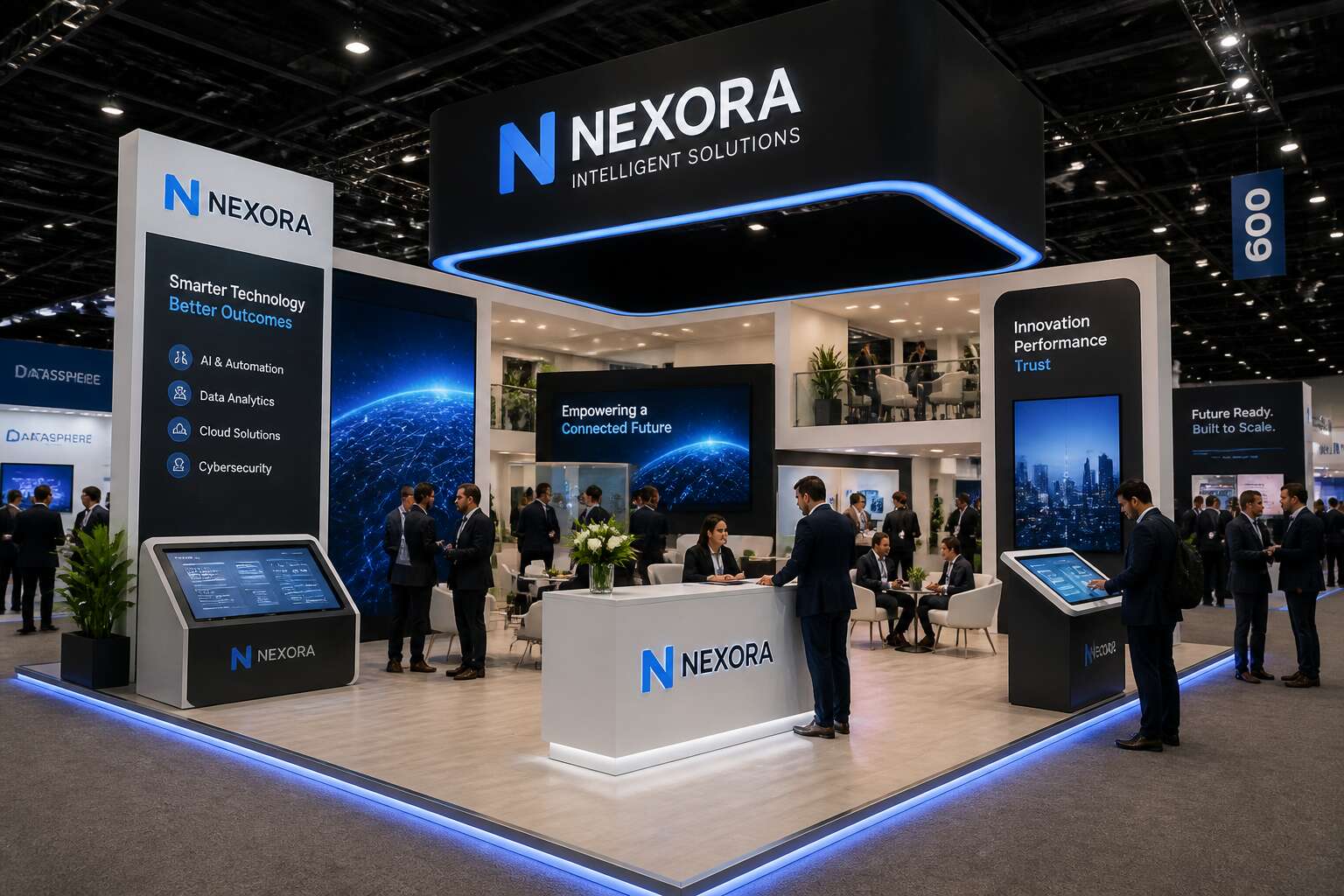
Most companies treat their stand for exhibition as a photo opportunity. That is a costly misunderstanding. Before you spend another rand, define what success actually looks like. Are you chasing qualified leads? Or are you simply reinforcing brand familiarity? The answer changes everything, from booth staffing to floorplan placement. It changes how many brochures you print as well.
Establishing brand objectives is the unglamorous work that turns a stand for exhibition into a focused effort. Brand objectives are not abstract dreams. They are measurable and specific. They decide which conversations matter and which visitors are merely curious.
- Decide between product launch and relationship strengthening
- Assign a numerical target for new contacts gathered
- Define your follow-up timeline in writing
Once those objectives exist, your stand for exhibition stops being a question mark. It becomes a clear, purposeful operation. That clarity is worth more than any designer’s opinion.
Identifying Target Audience
Forty-six percent of trade show attendees hold buying authority. Half the hall can purchase your product. The other half cannot. Your stand for exhibition must appeal to that specific half.
Defining exhibition goals begins with naming that visitor. Consider the fundamentals:
- Their industry and company size
- Their role in purchasing decisions
- How far they travelled to attend
South African markets differ sharply. A Johannesburg audience for mining technology shares little with a Durban crowd in retail logistics. Your visitor profile dictates the stand design, the messaging, and even the giveaways we choose!
Past attendee lists reveal the truth. Organisers provide breakdowns by industry and job function. That data separates a worthwhile show from a wasted investment.
Setting Measurable Outcomes
A goal without a metric is a reverie. A stand for exhibition that fails to quantify success remains a beautiful liability. At the Durban retail expo, we measure qualified conversations rather than raw footfall. Does the visitor match the procurement profile? Can they sign an order? Those two questions turn a banner into a revenue stream.
We set three quantifiable targets:
- Forty qualified leads per floor day.
- Fifteen follow-up meetings booked within two weeks.
- Twenty-five percent of scanned badges from target industry codes.
The stand for exhibition becomes a machine for these outcomes. Every square meter must justify its rental. If a product demonstration yields twelve qualified leads per hour, we schedule it every twenty minutes. If a prize draw collects contacts from non-buyers, we remove it. Measurement is decided before the doors open, not during the rush.
Designing an Eye-Catching Display
Choosing the Right Layout
Eight seconds is all your stand for exhibition gets to persuade a passerby. In South Africa’s bustling expo halls, visual noise saturates every aisle. Eye-catching display is a function of deliberate spatial choices, not sheer size. I gravitate toward broken-plane layouts that interrupt sightlines, prompting visitors to slow down and look around. The arrangement of walls and walkways dictates how people move. A U-shape fosters conversation; a diagonal thrust forces forward momentum.
These core layout options deserve consideration:
- Bays that cluster products for comparison
- Open-front designs that invite entry without barriers
- Central islands that command attention
Each configuration changes the relationship between viewer and product. I often combine elements, creating a route that circles and returns. The ultimate goal is a stand for exhibition that compels exploration, where curiosity overrides the instinct to walk past.
Visual Hierarchy and Branding
In a crowded hall, the eye seeks order before meaning. Visual hierarchy determines what a visitor notices first, second, and not at all. I prioritise scale, contrast, and spacing to guide attention toward the product story. Branding works the same way. A stand for exhibition should communicate identity through deliberate colour and typography.
Consider these principles:
– High contrast draws the eye from a distance
– Large imagery establishes context faster than text
– Negative space gives the message room to land
– Repetition of brand elements builds recognition
Every element needs a clear function. When hierarchy succeeds, the stand for exhibition becomes a legible experience rather than a scattered collection of marketing materials. Visitors absorb the brand without conscious effort. Recognition compounds with every repeat encounter, and the display gains effectiveness over a single sign or banner.
Interactive Elements to Engage Visitors
An empty stand for exhibition is only a backdrop. The moment someone touches, turns, or triggers something, the space transforms. I design interactive elements that invite participation without demanding attention. A sensor that lights up when approached. A screen that responds to gesture. A surface that changes texture under fingertips.
These moments work best when the interaction reveals something about the product. Consider what visitors carry away: the tactile memory of having caused something to happen. For a stand for exhibition in South Africa, such elements also bridge language differences. Not everyone reads English or Afrikaans first. A haptic cue needs no translation.
Some interactions I use:
- Physical samples that visitors can handle and compare
- Digital touchpoints that capture choices and show personalised results
- Live demonstrations where visitors become participants
Each element earns its place by deepening the encounter with the brand.
Lighting and Material Selection
Lighting decides how a stand for exhibition feels before a word is read. South African venue halls often rely on harsh overhead lights that flatten colour and texture. I counter this with warm accent lighting at low angles. Shadows add depth. For textured products, grazing light reveals the surface quality. A stand for exhibition with layered lighting feels more inviting than one flooded with a single bright source.
Material selection works with the light. Dark surfaces absorb it. Light surfaces reflect it. I mix the two to create contrast. Recycled timber and raw steel are durable choices that suit our climate and reference local craftsmanship.
- Choose matte finishes to reduce glare
- Pick materials that hold colour under warm spotlights
- Test samples under the actual venue lighting
Logistics and Planning
Budget Allocation and Cost Control
Freighting a stand for exhibition across South Africa’s provinces often costs more than the build itself. I have seen budgets slip because planners overlook storage between shows at venues like the Cape Town International Convention Centre.
Draft a cost control plan before signing any supplier contract. Break down expenses into fixed and variable items, then build a spreadsheet with weekly tracking. A realistic budget allocates for:
- Trucking and crane hire
- Flooring and carpet rental
- Hostess and security staff
- Generator backup
A resilient exhibition presence needs a contingency reserve of ten percent. Without that buffer, one delayed shipment or broken panel can derail the entire project.
Transportation and Installation
Transportation planning begins with the venue’s loading dock specification. The Cape Town International Convention Centre has specific vehicle height limits, while Johannesburg’s Expo Centre requires advance booking for crane access. A stand for exhibition that matches these constraints avoids delays at the gate.
Every province imposes different permit rules for abnormal loads. Suppliers without route surveys risk low bridges and weight-restricted roads. Installation teams work best when they receive a floorplan with marked service points. Water, power, and data connections are not all placed the same at every hall.
A stand for exhibition loses half its setup day if the generator placement conflicts with fire safety lines. Three common logistics headaches appear on site:
– late delivery due to port or border delays
– missing rigging gear for truss systems
– insufficient labour for floor laying
All three often sit outside the original cost plan.
Staffing and Training
Staffing and training determine whether a stand for exhibition opens on time or unravels. The crew must know more than their trade. They need to understand the venue’s rhythms, the loading dock procedures, and the fire safety lines. A stand for exhibition depends on people who can solve problems before they become delays.
We plan the crew roster around the critical path. Each team receives a specific brief. Riggers arrive first, then carpenters, then electricians. Cross training is useful. A carpenter who can assist with floor laying saves an hour. An electrician who understands truss assembly prevents a second callout.
Common staffing pitfalls include:
- understaffed installation teams
- unqualified labour for specialised tasks
- no backup for sick leave
Training sessions before the build cost little and save days. A prepared crew moves like a single organism, and the stand for exhibition rises without friction.
Technology Integration
Planning technology turns logistics into a controlled sequence. Real time tracking of crates and rigging updates the critical path instantly. A shared dashboard shows every contractor where a delay sits before it grows. The loading dock knows when a truck arrives, and the riggers know before the driver stops. This visibility matters for a stand for exhibition. One missing cable becomes a visible gap in the schedule, not a surprise at 7 a.m. The system combines:
- RFID tags that log each crate’s location
- GPS feeds that track transport rigs
- Automated alerts that flag schedule changes
Digital checklists sync across devices. The crew acts on live data, not assumptions. The build stays on track because planning technology gives the team an accurate picture of reality.
Health and Safety Compliance
South Africa’s Occupational Health and Safety Act governs every stand for exhibition build. Compliance is not optional. A single overloaded truss or unsecured cable can halt the entire event. Inspectors check load limits, fire retardancy, and rigging certificates before the doors open. Our planning phase builds these checks into the schedule, not as an afterthought.
The compliance sequence includes:
1. Load testing for all suspended structures
2. Fire retardant certification for fabric and timber
3. Certified rigging points with documented weight limits
4. Emergency exit routes kept clear until show close
We assign one crew member to own the safety file. That person walks the site every morning and logs every deviation. For us, a safe stand for exhibition is the only kind we deliver. The process adds time, but it protects everyone. No shortcut is worth a fine or a hospital visit.
Maximizing Visitor Engagement
Lead Capture Strategies
Trade shows in Johannesburg draw thousands of visitors each day, yet most exhibitors capture fewer than a third of viable leads. The difference between a busy stand for exhibition and a profitable one often comes down to how deliberately you design your data collection moments. Visitors rarely approach with their details ready, so the stand itself must create natural pressure points for exchange.
Consider these capture mechanisms that work well in the South African market:
- QR coded badges that scan on entry, reducing friction
- Live product demonstrations that require registration
- Digital guest books placed at exit pathways
A stand for exhibition that relies on clipboards and business card bowls misses the psychological moment when interest is highest. The handshake ends, the visitor turns, and the memory fades. We have found that integrating a quick, tangible giveaway tied to contact details doubles capture rates. Structured capture points built into the booth’s flow turn casual foot traffic into named prospects.
Live Demonstrations and Product Sampling
I have watched a visitor walk past a polished booth and stop dead at a working prototype. That is the power of live demonstration!
A stand for exhibition becomes a stage when visitors can touch, twist, and test. In Johannesburg’s crowded halls, sampling cuts through noise because it engages the hand as much as the eye.
- Place demonstrators near the aisle to catch wandering attention
- Run five minute cycles, repeated often, to keep crowds small
- Hand each visitor a sample tied to a follow up conversation
Physical interaction builds a memory that a brochure cannot. The product itself does the persuading, and your team simply answers the questions it provokes.
Networking and Relationship Building
Those questions are the opening of a relationship. A stand for exhibition is a meeting point, not a display. The visitor who tests your product has already invested time. Reward that investment with genuine conversation.
Johannesburg’s trade circuit runs on personal connections. Deals close in person, not through cold emails. Train your team to listen more than they talk. Ask about the visitor’s business. Ask about their challenges. Then connect those challenges to what you offer.
Record the details that matter:
- The problem the visitor named
- The product they handled
- The timeline they mentioned
The real work begins after the show. The best exhibitors send a personal note within 48 hours. They reference something specific from the exchange. A stand for exhibition generates leads. The follow up generates revenue. The relationship, if tended, generates repeat business.
Promotional Giveaways and Contests
Thirty seconds. That is how long a visitor pauses at a stand for exhibition before drifting onward. Hand them a branded key ring and they leave in ten. Run a contest that demands a business card, a quick answer, or a solved puzzle, and you buy yourself minutes!
In Johannesburg, I have watched attendees toss generic pens into bins. A stand for exhibition with a contest offering a practical prize, like a solar charger or a software subscription, draws a genuine crowd. Ask each participant about their largest operational headache. Their answers structure your post-show follow ups.
Structure the contest to capture real interest:
- Require a business card to enter
- Let the winner choose the prize
- Announce results live to build a crowd
- Photograph each winner to personalise after contact
The process feels personal, and that is what transforms visitors into qualified leads.
Scheduling Meetings and Appointments
Every stand for exhibition operates within the same constraint: daylight hours. The exhibitor who treats those hours as elastic loses them to wandering browsers. The one who pre-books fifteen minute blocks turns the space into a sequence of planned conversations.
I have seen Johannesburg managers run appointment scheduling from a tablet at the entrance. They block out slots based on attendee profiles, matching each visitor to the right product specialist before the conversation starts.
- One slot for the procurement director who needs bulk pricing
- One for the engineer who wants technical drawings
- One for the distributor seeking exclusivity terms
The stand for exhibition gains momentum when every handshake has a timestamp. Empty tables become planning sessions. Those pre-arranged meetings often outlast the show itself.
Post-Event Follow-Up
The moment the doors close, the real work begins. That stand for exhibition produced handshakes and business cards, but the value decays quickly if you wait. I have watched exhibitors lose momentum by letting a week pass before sending the first email. The visitor who remembered your conversation on Tuesday forgets your company by Friday.
Send something specific within 24 hours. Reference the exact product they paused at. Include the price list they requested or the drawing number from your discussion. Some teams create a follow-up schedule that tracks each contact through to a decision.
- Day one: personalised email with a relevant document
- Day three: phone call to clarify requirements
- Day ten: meeting invitation for your office or a virtual call
Your stand for exhibition earned their attention. The follow-up determines whether that attention turns into revenue.


0 Comments