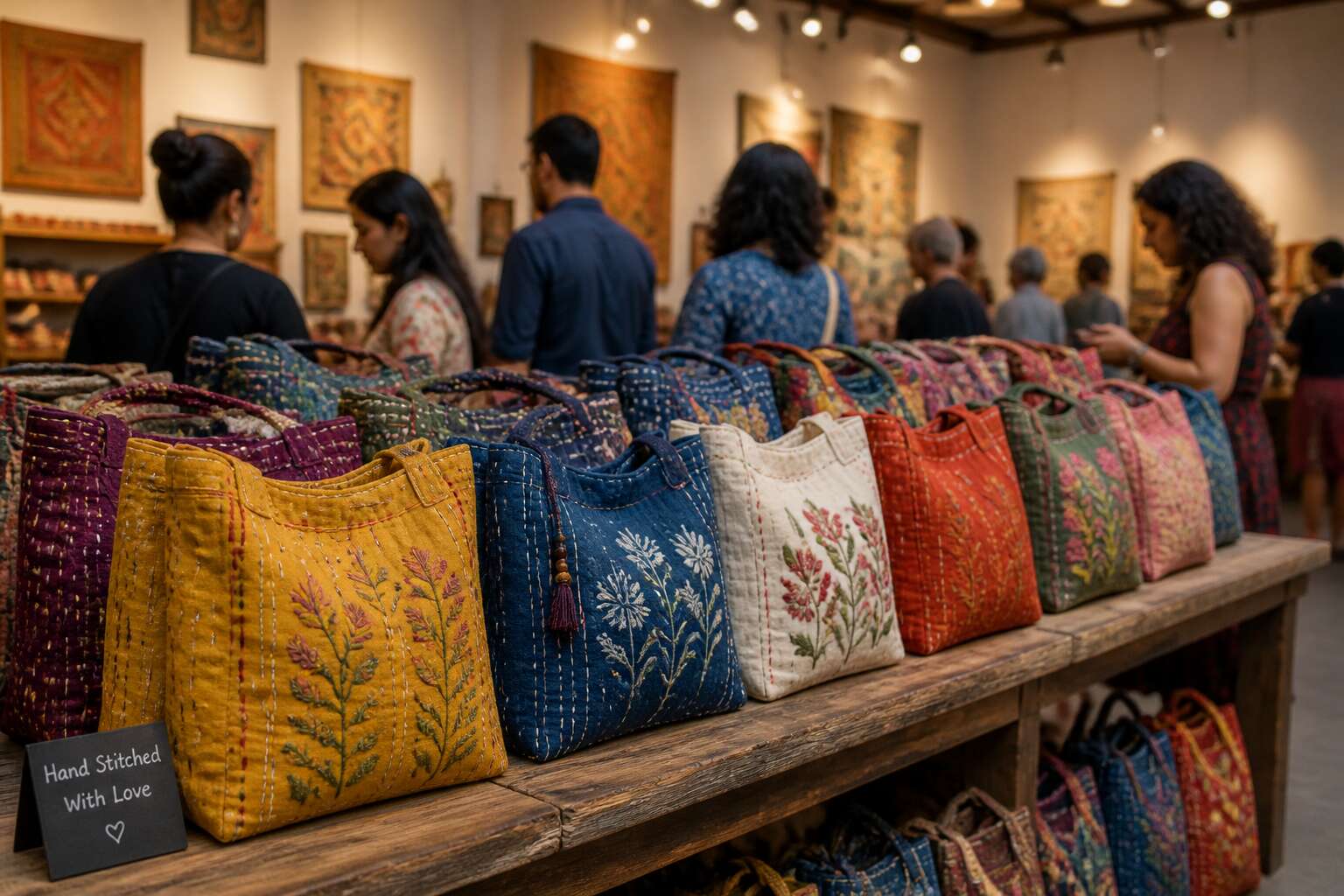
Exploring Eco-Friendly Trade Shows
The Role of Green Exhibitions in Modern Retail
Sustainability now defines the conversation at retail trade shows across South Africa. These events give brands a practical platform for demonstrating eco friendly practices to buyers who expect meaningful action. At a recent cotton bags exhibition, I watched retailers test fabric weight and check seams with surprising intensity!
Visitors move between stalls comparing suppliers and assessing pricing structures. The most effective displays show how cotton bags can be branded without compromising eco credentials. Retailers who attend this cotton bags exhibition often leave with:
- New supplier contacts
- A clearer sense of consumer priorities
- Practical knowledge about material sourcing
These exhibitions reflect a broader shift in retail, where environmental responsibility now shapes purchasing decisions.
Showcasing Sustainable Textile Solutions
At a recent cotton bags exhibition, the conversation kept returning to what happens after the bag’s useful life. South African textile waste accounts for a large share of landfill contributions, and buyers are now asking sharper questions about biodegradability and dye processes. One supplier showed a bag made from offcuts that would otherwise be discarded. It was not a gimmick. It was a practical answer to a real problem.
Visitors examined stitching and handle attachment points with the same care they gave to fabric composition. The most useful displays at this cotton bags exhibition explained the full production cycle, from field to finished product. These trade shows matter because they push suppliers to move beyond surface claims. Buyers look for specific evidence:
- verified organic certifications
- water usage data from the milling process
- waste recovery rates for production offcuts
For retailers, the value is concrete: clearer sourcing standards, verified certifications, and a better story for customers.
Creating a Hub for Eco-Conscious Brands
At the heart of any meaningful cotton bags exhibition lies a quieter purpose: the gathering of like-minded producers, suppliers, and retailers who share practical commitments to sustainability. The exhibition floor offers a directory of who is doing the work. I spoke with a Cape Town manufacturer who had travelled to the event specifically to find recycled thread suppliers. She found three within the first hour.
What makes these events genuine hubs is the density of expertise. At a cotton bags exhibition, a visitor can compare finishing techniques, examine raw material origins, and discuss transport logistics within a few metres.
- direct access to mill owners who share actual processing data
- opportunities to verify supply chain claims face to face
- visibility of emerging innovations before they reach mainstream retail
For a growing number of South African brands, this gathering has become the most efficient place to build a responsible supply network. The conversations are specific. The commitments are documented. That is what separates a hub from a market.
Connecting Suppliers with Responsible Retailers
Walking the aisles of a cotton bags exhibition, the first thing you notice is the conversation. Retailers are not browsing; they are interrogating. I watched a buyer from Durban spend ten minutes examining a stitch pattern before she asked the price.
These events operate as verification grounds for the careful buyer. You can inspect zipper bases, compare seam allowances, and request water usage data for a single print run. For South African retailers, the value is direct access to mills that do not sell through agents.
A focused afternoon allows for tasks such as:
- comparing organic certification documents across three suppliers
- testing the physical weight of different canvas weaves
- negotiating delivery timelines with factories that have spare capacity
Buyers who return to the cotton bags exhibition are the ones who came with a checklist and left with a partnership.
What To Expect At A Textile And Bag Event
Discovering Recycled and Organic Material Displays
Visitors walking through the cotton bags exhibition will notice a clear shift in how materials are presented. The focus is less on aesthetics and more on provenance. You can trace a product’s journey from fibre to finished bag, often through documentary-style placards and raw material swatches. Recycled cotton displays show torn denim and factory offcuts transformed into new weaves. Organic cotton sections highlight the absence of synthetic pesticides. The textile and bag event also features interactive stations where you can feel the difference between mechanically recycled blends and certified organic inputs.
The layout encourages slower observation. One hall might hold a live demonstration of a loom processing reclaimed yarn. Another room could be dedicated to dyeing processes using natural indigo, with samples hung to dry overhead. Visitors often compare the hand feel of a 10-ounce recycled canvas against a softer organic muslin. The information is dense but practical. This makes the cotton bags exhibition useful for sourcing decisions, not just visual inspiration.
Innovative Printing and Customization Techniques
At any textile and bag event worth its salt, the printing bays are where quiet magic happens. Here, the cotton bags exhibition transforms into a laboratory of pigment and pixels. Visitors can watch a plain tote become a story through direct-to-garment printers that hum like small beehives. The scent of water-based inks mingles with the dust of chalk screens.
Customization has moved beyond the old iron-on transfer. The emphasis now is on techniques that respect the fibre beneath the print. Discharge printing, for instance, lifts colour from the fabric rather than laying a film on top. This leaves a print that breathes with the weave. Another crowd pleaser is the use of photochromic inks, which shift hue when exposed to sunlight. One supplier at a recent cotton bags exhibition demonstrated how a logo could appear only when the bag was carried outdoors.
- Direct-to-film transfers for intricate, full-colour artwork
- Silicone-based prints for a soft, rubbery texture
- Laser etching for a tonal mark that feels like a watermark
What catches most attendees off guard is the sublimation section. Performed on polyester blends, the process embeds dye into the polymer structure, creating a result that never cracks or fades. The display boards show bags that have survived fifty wash cycles, their colours still shouting.
The real takeaway is that printing is no longer an afterthought. It is a tool for brand storytelling. At the cotton bags exhibition, the machines are not simply stamping logos. They are weaving identity into every seam.
Vendor Booths: From Local Artisans to Global Suppliers
A cotton bags exhibition aisle presents a stark range of vendors. One booth belongs to a Cape Town artisan hand-stamping totes with linocut patterns. Two metres away, a global textile giant displays thousands of certified blanks ready for container shipment. That mix defines the floor.
Local makers offer limited runs, natural dyes, and story-driven designs. Global suppliers bring bulk pricing, lab-testing reports, and logistics muscle. Both answer a single question: how to turn cloth into a lasting product.
Some booths include:
- Live stitching demonstrations for custom edge finishing
- Haptic material stations comparing 200 GSM and 140 GSM cotton
- Digital catalogs with full supply chain traceability
The energy stays transactional but friendly. You leave with samples, leads, and a clearer view of your next order. This dynamic between intimate craft and industrial scale gives the cotton bags exhibition its particular character.
Live Demonstrations of Eco-Friendly Manufacturing
Inside the hall, the machines perform their labour without theatre. I watched a loom pull raw bales into finished panels in under four minutes, and the speed feels almost illicit! The dust of the Highveld settled on the hydraulic presses, a reminder of the region’s water scarcity. Every drop used in the dye baths is filtered and reused on-site.
Attendees gather around the demonstration stations in silence, watching processes that normally hide behind factory walls:
- Closed-loop indigo dyeing systems.
- Fibre pulp being pressed into fabric.
- Automatic thread-trimming units that recycle offcuts.
The air carries ozone and cotton dust, the residue of textile work. The cotton bags exhibition rewards patience here. What looks mundane, the stamp of a press or the hiss of steam, is something rarer: manufacturing stripped of its secrets.
Interactive Zones for Product Testing
At the cotton bags exhibition, the interactive zones for product testing dissolve the distance between promise and proof. I watched a woman load a single tote with eleven kilograms of stone and swing it by one handle. The seams held. She nodded once, as if confirming something she already suspected.
The stations invite a kind of ritual abuse:
– Load tests that mimic a full weekly grocery run.
– Seam stress pulls that simulate years of daily commuting.
– Abrasion rubs across rough concrete and brick.
Another visitor scrubbed wet clay from a canvas panel using only cold water. It lifted clean within seconds. This is where the cotton bags exhibition earns its quiet authority. Visitors leave with evidence pressed into their fingertips, not with slogans. A bag that survives that kind of handling is a bag worth carrying home.
Benefits For Visitors And Bulk Buyers
Finding Unique and Wholesale Product Lines
A single procurement decision made on the exhibition floor can reshape a retailer’s entire quarterly budget. For visitors, the cotton bags exhibition offers direct comparison of stitching quality, handle weight, and fabric density across dozens of vendors. Bulk buyers gain access to tiered wholesale structures that only exist within the exhibition’s commercial zone.
These wholesale product lines often include:
– Custom weave thicknesses for premium retail packaging
– Standardised canvas totes for corporate gifting programs
– Bulk organic cotton sacks with reinforced gussets
– Print-ready blanks at volume discount thresholds
The exhibition’s value extends beyond unit prices. Buyers secure exclusive regional distribution rights and negotiate staggered delivery schedules that align with seasonal demand. South African procurement managers consistently rate the cotton bags exhibition as the most efficient sourcing channel in the sustainable textiles calendar.
Learning About Sustainable Certification Standards
Certifications determine whether a ‘sustainable’ label carries actual weight. At the cotton bags exhibition, visitors encounter accreditation bodies explaining GOTS, Fair Trade, and OEKO-TEX standards face to face. Bulk buyers interrogate auditors about chain of custody requirements, water usage thresholds, and chemical residue limits. A certificate means nothing until someone reads the scope clause.
The exhibition places certification documentation inside the vendor booths, not a separate seminar room. That proximity invites scrutiny. I once watched a Johannesburg buyer request a dyehouse audit report; the supplier produced it within three minutes. That exchange reshaped the buyer’s entire procurement list.
Useful sessions cover:
– Verification of organic cotton claims
– Understanding SABS textile marking requirements
– Recognising lookalike eco-labels
This direct access to compliance expertise sharpens every subsequent purchasing decision.
Experiencing Durability and Quality Firsthand
At a cotton bags exhibition, the truth sits in the fabric. Bulk buyers run their fingers along the weave, check the stitch density, and test the strap tension. A bag’s weight per square metre conveys what no brochure can.
I watched a Durban retailer fold the same tote three times, then hold it toward the light. She checked for pinholes, for slubs, for any sign of weak yarn. The supplier waited without a word. Two minutes later, she ordered twelve thousand units.
Visitors gain the same advantage in smaller measure:
- Testing seam strength under repeated loading
- Comparing fabric thickness across different suppliers
- Inspecting handles and base reinforcement
This tactile verification removes guesswork from purchasing decisions. The cotton bags exhibition becomes a physical lab where quality speaks plainly.
Accessing Exclusive Show Discounts and Deals
Show only prices at a cotton bags exhibition reward buyers who prepare. Suppliers offer tiered discounts for bulk orders placed on site, often 5% to 12% below standard trade quotes. These deals rarely appear online because exhibitors reserve them for face to face negotiation.
For smaller retailers, the exhibition floor unlocks:
- bundle offers on mixed product lines
- sample packs at reduced rates
- waived setup fees for repeat orders
One Cape Town boutique owner told me she saved enough on a single cotton bags exhibition order to fund her entire packaging redesign. Early bird registration includes voucher systems, and final day deals clear display stock at steep markdowns. Show specials make the cotton bags exhibition a strategic purchasing opportunity.
How Exhibitors Can Maximize Participation
Designing a Memorable and Sustainable Booth
Pre-show hustle in Johannesburg sets a pace, but the real work begins when the doors slide open. A cotton bags exhibition rewards exhibitors who treat floor space as narrative rather than sales counter. I have seen booths pull attendees because they answered one question: what stays with a buyer after they leave?
The most memorable stands use raw hessian and untreated timber. They place their heaviest tote within arm’s reach, always ready for a touch test. Inside such a space, the order of elements works like this:
- a bold colour block guides the eye;
- a repair station shows artisans at work;
- stacked blanks let visitors feel the grammage.
These details form a tactile memory. When buyers return to Cape Town, they recall the texture, not the banner. That recall converts into orders weeks later. At your next cotton bags exhibition, measure success by conversations, not flyers!
Implementing Interactive Product Demonstrations
Static displays lose their force within minutes. A cotton bags exhibition rewards exhibitors who turn their stand into a working studio. Interactive demonstrations convert passive browsing into active engagement. Visitors who watch a bag being screen printed or handle a tote mid-stitch become invested in the process.
Consider the rhythm of a live demo:
- Start with a raw blank and explain its fibre origin.
- Show the printing or embroidery step in real time.
- Hand the finished piece to the visitor for inspection.
Each step builds a story. Buyers from Durban or Pretoria remember the maker’s hands, not the brochure. This participation shortens the distance between curiosity and commitment. At your next cotton bags exhibition, let the product perform.
Lead Generation Strategies for Trade Show Success
There is a quiet arithmetic to lead generation at a cotton bags exhibition. Every conversation carries measurable potential, but only if captured with intention. Exhibitors who record each enquiry properly find their follow-up lists transform into loyal clienteles.
The trade show floor rewards those who listen before they pitch. Ask a retailer about their customer base, their stock cycles, their delivery frustrations. That information becomes the foundation of a tailored proposal sent after the event.
Simple tools work best:
- Capture details with a digital form that feeds directly into your mailing system.
- Note one personal detail next to each contact, a preference or a concern.
- Send a follow-up within three working days, referencing that detail.
The cotton bags exhibition ends, but the dialogue continues.
Leveraging Pre-Show Marketing and Social Media
Most exhibitors begin their marketing when the venue doors swing open. That is a missed opportunity. The cotton bags exhibition rewards those who start the conversation weeks ahead, using social media to turn casual scrollers into steady booth visitors.
Short videos of product samples, supplier stories, and countdown posts build anticipation across South African retail networks. Location tags and industry groups expand reach to buyers who might otherwise miss the event entirely.
- Behind the scenes footage of cotton bags being prepared.
- Engagement with the event’s official page and fellow exhibitors.
A well scheduled feed creates familiarity, so that when the exhibition opens, each booth feels like a known destination rather than an unfamiliar one. The pre-show momentum carries directly into the first handshake.
Post-Show Follow-Up and Customer Retention Tactics
The handshake ends, but the conversation should not. In the cotton bags exhibition circuit, the real work begins once the exhibitor packs away the swatches and the venue lights dim. A prompt follow up, within 48 hours, separates the memorable from the forgettable. Buyers receive dozens of generic emails after each show. Yours needs a specific detail, a remark about the particular weave they lingered over, a reply to the question they asked about organic certification. It signals genuine attention.
Building customer retention after the event requires more than a polite note. Consider stocking a small reserve of samples specifically for post show sending. This is the moment to move from broad audience to precise conversation. A focused approach often includes:
– A direct email referencing a specific booth conversation.
– A short call to discuss lead times or textile weight.
– A sample swatch mailed with a handwritten line.
For many South African retailers, the sourcing calendar runs ahead of the season. Stay present through that cycle. Ship promptly. Answer the WhatsApp message after hours. The cotton bags exhibition can be the beginning of a long and loyal trade relationship.
Trends In Sustainable Bag Production
Organic Cotton and Low-Impact Dyes
Conventional cotton can require 2,700 litres of water to produce a single shirt. At a cotton bags exhibition, that figure sets the tone for a careful conversation on production methods. Manufacturers now favour organic cotton, which skips synthetic pesticides and often uses rainfall instead of irrigation. The soil stays healthier and so does the water table.
Low-impact dyes are becoming standard. They avoid heavy metal mordants, drawing colour from plant roots, bark, or clay instead. Some dyers recover up to 98% of their wastewater through closed systems.
Trends worth watching in the aisles:
- Blending organic cotton with recycled fibre for longer-lasting bags.
- Using marigold or indigo as botanical dye sources.
- Choosing GOTS certified dyes that don’t compromise on colour fastness.
South African buyers are pressing for these details, matching their sourcing choices to visible sustainability claims!
Circular Economy and Upcycling in Bag Design
At a recent cotton bags exhibition, a single statistic reframed the entire hall: only 9% of plastic ever produced has been recycled. The shift toward circular production is no longer optional. Bag makers are designing for disassembly, replacing glued linings with stitch-only construction so components can be separated and reincarnated.
Upcycling turns post-industrial offcuts into fresh panels. One supplier in Johannesburg works exclusively with rejected tent fabric, converting it into reinforced tote bases. This approach cuts virgin material demand while preserving the tactile quality buyers expect.
Key trends visible across the aisles:
- Modular straps that unclip for replacement, extending bag life
- Patches and repair kits sold alongside each batch
- Take-back schemes where worn bags become insulation
The circular economy in bag design hinges on honest labelling. Manufacturers now state the percentage of reclaimed content per unit. At the cotton bags exhibition, that transparency drives purchasing decisions among Cape Town retailers aiming for zero waste targets.
Personalization and Custom Branding Trends
At the cotton bags exhibition, the most unexpected spectacle wasn’t the fabric. It was the name tags. Brands are moving beyond logos to narrative-driven personalisation. We saw reusable totes laser-cut with each customer’s signature, a feature that turns a commodity into a keepsake. Custom branding now extends to the production line itself. One supplier offers to weave individual initials directly into the webbing, bypassing printing altogether.
Sustainable production and personalisation are merging in three practical ways:
- Embroidery using reclaimed thread to match brand palettes
- Water-based screen printing for batch-specific artwork
- QR codes stitched into lining that reveal the bag’s full lifecycle
This shift forces bigger orders, but it also reduces waste from unsold stock. The cotton bags exhibition made one thing clear: personalisation is a sustainability tool, not a marketing add-on.
Minimalist Aesthetics vs. Functional Add-Ons
Minimalist aesthetics at a cotton bags exhibition have a monastic charm. A plain canvas tote with no pockets, no clips, no drama. One supplier called it the nudist approach to carrying groceries. Functional add-ons, by contrast, grow more specific by the season. I spotted a tote with a dedicated wine holder, which raised questions about both balance and priorities.
Two philosophies compete for your shelf space:
- Minimalist bags ship lighter, cutting freight emissions and printing waste
- Functional bags justify higher price points through perceived utility
- Neither approach survives if the stitching fails by week three
The real tension is inventory. Minimalist bags sell fast but offer thin margins. Functional bags hold value longer but demand more design risk. The cotton bags exhibition showed both directions without declaring a winner. Good, because the customer will decide anyway.
Innovations in Biodegradable Coatings and Threads
At a recent cotton bags exhibition, the quiet heroes were invisible to the casual eye. Biodegradable coatings now replace petroleum-based finishes with plant-derived waxes and seaweed extracts. These layers protect fabric from stains without sealing it in plastic. Threads follow suit! Manufacturers are stitching with polylactic acid filaments that break down in industrial composting facilities, not in landfill forever.
What I observed in Johannesburg was a shift in priorities. A bag that sheds microplastics during its third wash is a design flaw, not a feature. Suppliers displayed samples with chitin-based coatings and hemp thread, each one tested for real-world abuse.
Some buyers asked about cost premiums. Others asked about certification timelines. Both questions miss the point. The cotton bags exhibition demonstrated that durability and decomposition are no longer opposing goals.
Digital Fabrication and On-Demand Manufacturing
I watched a supplier at the cotton bags exhibition cut lead times from six weeks to six days. Digital fabrication tools, including direct-to-garment printers and laser cutters, are erasing the minimum order quantities that once forced retailers into overstock. On-demand manufacturing now lets a brand test a design with fifty units before committing to five thousand.
The shift is not merely logistical. It changes the environmental ledger. Producing only what is ordered eliminates dead stock, the quiet carbon burden of the industry. Bespoke digital files replace physical samples, so buyers in Cape Town can approve a prototype without airfreight.
Suppliers are pairing these tools with reclaimed cotton and waterless dye systems. The cotton bags exhibition showed that small-batch production is no longer a niche service. It is the default for retailers who refuse to guess demand.
Networking Opportunities And Industry Insights
Panel Discussions on Supply Chain Transparency
At a cotton bags exhibition, the most honest conversations happen in the corridors between panel sessions. Supply chain transparency is not a talking point; it is a demand that buyers now bring to every stall. The industry insights panels push beyond surface-level claims, forcing suppliers to answer for their water usage, labour conditions, and certification gaps. Networking here acquires a different texture, one of mutual scrutiny rather than polite exchange.
Buyers from Cape Town to Johannesburg use these gatherings to compare notes on which mills actually provide verifiable documentation. Panel discussions on transparency expose the distance between marketing language and operational reality. Suppliers learn that vague assurances no longer hold weight.
Key issues raised during the sessions at this cotton bags exhibition include:
- Traceability of organic cotton from farm to finished product
- The true cost of low labour rates in producing regions
- Independent audits versus self-reported sustainability claims
Those who attend leave with either stronger relationships or sharper questions.
Workshops on Navigating Eco-Regulations
Networking at this cotton bags exhibition rewards those who arrive with specific regulatory questions rather than generic pleasantries. The industry insights workshops on navigating eco-regulations draw a mix of compliance officers, product developers, and independent retailers, all trying to make sense of shifting packaging laws and extended producer responsibility schemes.
Workshop facilitators break down practical steps for registering materials, calculating levies, and documenting recycled content. These sessions matter because a bag that passes inspection in one province may fail in another.
Discussions move beyond theory:
– How to classify laminated cotton versus coated cotton for waste streams
– Which exemptions apply to small batch producers
– What documentation customs officials actually request
For buyers, these workshops turn regulatory complexity into a competitive edge. For suppliers, they reveal where current production methods fall short. The cotton bags exhibition becomes a rare space where compliance questions get direct answers.
B2B Matchmaking for Retailers and Producers
Arriving at a cotton bags exhibition with a clear brief changes the conversation. Pre-arranged B2B matchmaking sessions pair retailers with producers who meet specific material and volume requirements. One buyer told me she found a supplier using organic thread within twelve minutes of the first meeting. That efficiency is the real draw.
Producers display more than finished goods. They bring technical data, lead times, and pricing structures. Retailers bring shelf space, customer feedback, and procurement targets. The exhibition hall becomes a negotiation floor where both sides test assumptions. I watched a retailer adjust a bag’s handle length on the spot because the producer had a sample cutter available.
Useful matchmaking formats include:
- Speed meetings of ten minutes per supplier
- Product-specific sessions for tote, cooler, and retail packaging lines
- Closed-door negotiations for bulk orders
For small retailers, this access to production insights is rare. For producers, it is a direct line to real orders. The cotton bags exhibition rewards specific intentions, not vague browsing.
Collaborative Spaces for Industry Partnerships
Walk the quieter aisles of any cotton bags exhibition and you will find the real work in mobile meeting rooms. These collaborative spaces are repurposed lounges with whiteboards and coffee stations. I watched a Cape Town retailer sketch a reusable wine carrier while a Durban weaver calculated tension specs on a napkin. Partnerships form where expertise overlaps.
At this cotton bags exhibition, the most productive conversations happened in half hour blocks. A producer brought swatches of dyed sisal; a buyer matched them to a hotel chain’s palette. The intimacy of these zones encourages directness.
- A supplier’s material library on rolling racks
- A retailer’s trend forecast on a communal wall
- A joint prototyping corner for thread and handle samples
Industry insights translate into contracts here. The schedule matters less than proximity.
Keynote Speeches on the Future of Reusable Packaging
The keynote hall at a cotton bags exhibition carries a particular quiet. Attendees lean forward as speakers trace the trajectory of reusable packaging through regulatory shifts and material science. One presentation cited a 300% increase in corporate demand for certified compostable lining over three years. The figures land with weight.
After the applause, the real exchanges begin. Networking corridors fill with procurement managers and textile engineers. A Johannesburg brand consultant compares lifecycle assessments with a Taiwanese supplier. A Cape Town designer probes the biodegradability of bio-based polyester blends.
Key insights from recent keynotes:
- Reusable packaging mandates are accelerating across European and African markets
- Recycled PET thread now matches virgin quality in tensile strength
- Consumer return programs require packaging redesign, not just labeling
The cotton bags exhibition serves as a rare junction where policy, production, and purchase meet. Conversations extend past scheduled sessions, lingering near registration desks and coffee stations.



0 Comments