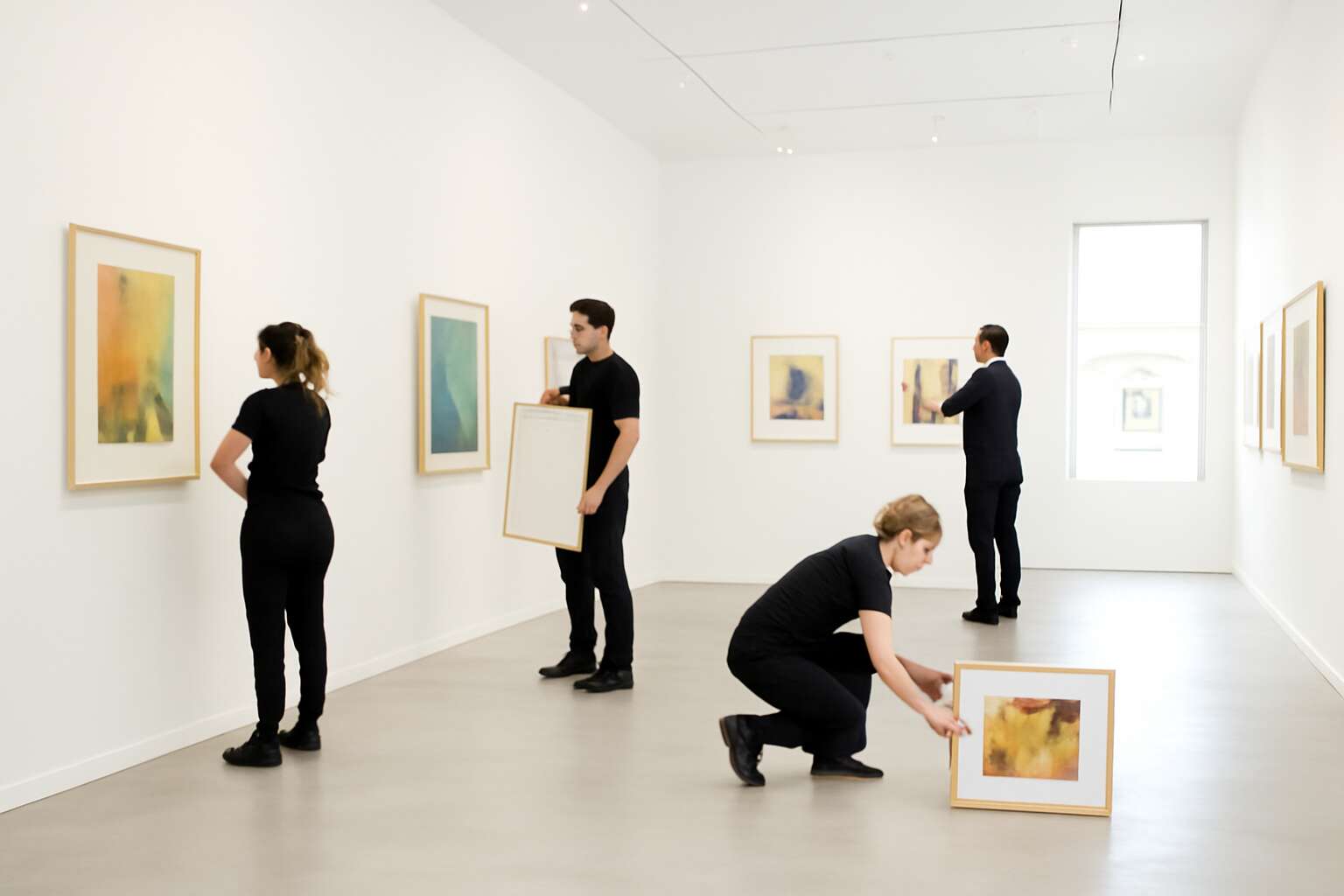
Strategic concept and audience for an exhibition
Define exhibition goals and target audience
Across South Africa, the first impression of an exhibition lingers long after the opening. Eight in ten visitors remember a standout entrance. I’ve seen how a single, thoughtful moment can light a room and stay with visitors for days. A crisp strategy turns that moment into a living experience.
Exhibition goals are a map, not a maze: define what success looks like, whom you serve, and how the space nurtures dialogue. If you search for a nimbler prompt, organise an exhibition 6 letters. Key aims include:
- engagement across generations
- local talent and stories
- community partnerships
- economic vitality for the locality
Audience is the anchor. Map who you invite, who benefits, and who will tell others. In rural towns and urban corners, this means families, learners, artists, and regional partners.
- local communities
- educators and learners
- artists and makers
- visitors and sponsors
Choose a compelling theme and narrative
In South Africa, entrances are memory magnets; the first glimpse sets the tone long after the last light goes out. A crisp strategic concept turns that opening moment into a living conversation, not a card on the wall. That cheeky prompt—”organise an exhibition 6 letters”—feels like a dare to compress ambition into action.
Choose a theme with a spine, a narrative that invites dialogue across generations and geographies. Your concept should cradle local voices, crafts, and stories, letting the space breathe with genuine resonance rather than a glossy checklist. The goal is not to showcase everything, but to invite visitors to linger, question, and connect in real time.
- neighbourhood networks
- students and mentors
- creators and artisans
- attendees and funders
With generosity in tone and a dash of humour, the narrative threads through signage, seating, and flows, guiding people along a story arc that respects rural towns and urban corners alike.
Set measurable success metrics
Across South Africa, immersive displays unlock memory codes—the most fleeting glint of a first image can anchor a visitor long after the last light fades. That cheeky prompt—organise an exhibition 6 letters—becomes a dare to compress ambition into action.
The strategic concept sits on a spine: a theme that invites dialogue across generations and geographies, rooting the show in local voices, crafts, and stories. Signage, seating, and circulation thread a living arc that honours rural towns and urban corners alike, with neighbourhood networks, students and mentors, creators and artisans, attendees and funders guiding every turn.
Measurable success metrics anchor the story, translating wonder into numbers.
- Impressions
- Engagement rate
- Average dwell time
- Sign-ups or RSVPs
- Backlinks or referral traffic
Align venue and date with audience availability
<p Across South Africa, cultural calendars lean toward evenings and weekend gatherings—68% of attendees prefer starts after 4 pm—a stat that keeps our planning honest and hopeful. A strong strategic concept travels with the audience—parents, students, farmers, and makers—placing venue and date where they already gather, not where we wish they were.
To honor rural voices and urban pockets alike, I map spaces that feel like home: community halls, regional galleries, school auditoriums, and open-air markets. The aim is a rhythm that invites conversation and makes every corner feel included.
- community halls
- regional galleries
- school auditoriums
- open-air markets
That cheeky prompt—organise an exhibition 6 letters—becomes a dare to compress ambition into action. The spine stays a clear theme, while signage, seating, and circulation weave a living arc that welcomes family conversations, mentor guidance, and local storytelling across generations.
Budgeting and ROI expectations
Visitors decide in the first 90 seconds whether a stand is worth exploring, and South Africa’s audiences are no exception. A sharp strategic concept can turn that split-second verdict into lasting engagement and ROI. Industry data from SA events hints that teams who phrase their brief as “organise an exhibition 6 letters” lock in clarity from the outset.
Strategic concept and audience: a strong concept isn’t a slogan; it’s a narrative arc guiding design, content, and on-site behavior. It must resonate with the audience’s needs and withstand the bustle of a hall, where the venue itself seems to breathe with opportunity.
Budgeting and ROI expectations emerge when the concept is clear:
- Pre-show outreach and lead generation
- Concept-led design and production
- On-site experience management and data capture
ROI is defined not only by numbers but by the resonance of the narrative, the quality of leads, and the post-show conversation it sparks across South Africa.
Budgeting and funding for exhibition organisation
Create a realistic budget and funding plan
I’ve learned budgeting for an exhibition is a study in restraint and possibility. In South Africa, start with the essentials—venue, production, marketing, staffing, and safety—then add a contingency. The aim is cash flow that moves from upfront commitments to the final reconciliation, proving to partners that the project can travel the distance!
Funding arrives from a spectrum of sources: government arts grants, corporate sponsorships, early-stage partnerships, ticket revenue, and in-kind support. The trick is balance: no single stream should dominate, and clear sponsorship packages help stakeholders see lasting value. That urgency echoes the online prompt ‘organise an exhibition 6 letters’ in planning chats.
- Government arts grants
- Corporate sponsorships
- Ticket revenue
- In-kind support
With this mix, you get a credible path to impact rather than a fragile dream. The budget becomes a narrative device, guiding decisions and keeping expectations aligned with what the audience can sustain.
Sponsorship and partnerships outreach
A budget is a lantern in a dark corridor—the glow reveals the path and masks the knots. In South Africa, the funding chessboard rests on a few reliable squares: government arts grants, corporate sponsorship, ticket revenue, and in-kind support. The trick is balance, discipline, and the audacity to pursue a bigger story. That urge to organise an exhibition 6 letters threads through every outreach conversation and package for partners.
To win partners without draining soul or cash, design sponsorship tiers that speak in value. Offer naming rights, curator talks, and audience analytics that reveal real reach. Transparent reporting turns allies into co-authors.
- Identify aligned brands and communities that share your audience’s values.
- Craft compelling packages with clear benefits (branding, tickets, staff access) and a realistic ROI.
- Prepare professional pitch decks and tailored proposals.
- Foster long-term relationships through acknowledgement, progress updates, and post-event impact reports.
Let the alliance endure and shine.
Ticketing strategy and pricing models
Budget is art with a calculator, and in South Africa that fusion can decide a sold-out room or a whisper. That itch to organise an exhibition 6 letters never fully quits; it mutates into a plan where numbers meet narrative.
Budgeting and funding aren’t about pinching pennies; they’re about mapping value, risk, and reach. A thoughtful ticketing strategy and pricing models framework keeps the show accessible while ensuring the ledger doesn’t pull a disappearing act on the curtain call.
Consider these price ideas that feel fair and still fan the flames.
- Early-bird incentives that reward commitment
- Concessions and student rates to broaden the audience
- Group passes and premium add-ons for curator talks or after-hours access
In the end, numbers should sing to your theme, not shout over it. A transparent, value-driven approach keeps everyone smiling long after curtain call.
Contingency planning and risk management
Budgeting is the quiet engine behind every successful show. In South Africa’s arts scene, budget overruns feel less like drama and more like a curtain that won’t rise. To organise an exhibition 6 letters, you map aspiration to arithmetic, letting the ledger illuminate the path as clearly as the curatorial voice.
I’ve learned that contingency planning and risk management are architectural layers, not afterthoughts. A dedicated contingency fund, sound insurance, and a flexible supplier network can soften shocks—from shipping delays to venue hiccups. In SA, currency swings, grant timing, and permit slippage become part of the narrative.
- Force majeure and contract variability
- Supplier or vendor defaults
- Logistics, transport, and installation delays
- Public attendance fluctuations and staffing gaps
Ultimately, budgeting keeps the show honest and the audience engaged, long after the final curtain.
Venue, layout, and logistics
Selecting the right venue and floor plan
A robust venue sets the mood for the show, and in South Africa, 70% of attendees decide within the first hour. This is why you organise an exhibition 6 letters with precision and purpose!
Seek spaces that match your audience footprint: accessible entrances, generous loading zones, robust power, and reliable Wi‑Fi. I find a floor plan that respects sightlines and acoustics keeps conversations crisp and curiosity alive.
- Traffic flow and entry points: design clear routes that invite exploration without crowding.
- Aisle width and booth spacing: create comfort while maximizing visibility.
- Back‑of‑house access: planned storage, staff paths, and freight handling.
Coordinate with caterers, security, and AV suppliers well in advance. Confirm permits, insurance, and last‑mile logistics so that the event runs with quiet confidence and human warmth on the showroom floor.
Floor plan design and visitor flow
In South Africa, the venue is a silent partner in shaping the show’s energy. A floor plan that respects sightlines and acoustics keeps conversations crisp and curiosity alive. Seek spaces with accessible entrances, generous loading zones, robust power, and reliable Wi‑Fi to support live demos and on-floor demonstrations!
Consider these facets as you craft the flow:
- Clear entry routes that invite exploration
- Aisle widths and booth spacing that balance comfort with visibility
- Back-of-house access for storage, staff, and freight handling
- Coordinated schedules with caterers, security, and AV teams
Floor plan design and visitor flow weave a narrative as people move through the space. The moment you decide how to guide footfall, you shape perception and engagement. This is how you organise an exhibition 6 letters—precision, warmth, and the rhythm of a South African showroom floor.
Logistics: permits, insurance, and safety
In South Africa, the venue is the quiet engine behind energy and immediacy. A space with accessible entrances, generous loading zones, robust power, and reliable Wi‑Fi makes live demos sing! To organise an exhibition 6 letters is to choreograph atmosphere as much as space.
Layout and logistics hinge on planned movement: clear entry routes, optimal aisle widths, back-of-house access, and synchronized schedules with caterers, security, and AV teams.
In the logistics radius, permits, insurance, and safety form the ledger, quietly shaping compliance as the event nears.
- Permits and compliance checks
- Insurance coverage and waivers
- Safety protocols and emergency planning
With these pieces in place, the venue becomes a canvas where South African visitors discover momentum and meaning in a carefully arranged rhythm.
A/V, lighting, and technology needs
Seven seconds decide whether a visitor lingers; in South Africa, the venue is the quiet engine behind energy and immediacy. It’s a canvas where atmosphere can outshine effort. To organise an exhibition 6 letters is to choreograph mood as much as space.
Your venue’s bones—power, acoustics, and reliable connectivity—shape everything that follows. Plan A/V and lighting with an operator’s eye: programmable zones, glare control, and a network strong enough to run live demos and streaming without a hitch.
- A/V system readiness and on-site tech
- Programmable lighting with safe zones
- Robust power distribution and backups
- Strong Wi‑Fi and wired network
Behind the scenes, the rhythm is set by a clear power path, back-of-house access for installers, and a timeline that keeps screens, mics, and projectors in harmony with the schedule. The result is a living stage where every display feels inevitable.
On-site staffing, volunteers, and operations
The venue breathes as a living canvas where layout meets mood. To organise an exhibition 6 letters, you choreograph space and atmosphere—sightlines, queues, and corners. I stroll the floor, tracing routes from entrance to exhibit, ensuring visitors slip through with ease and energy stays true to South Africa’s pace.
On-site staffing and volunteers are the heartbeat. We map roles, shifts, and help stations so aid is always near. A brief briefing keeps everyone in step, from registration and ushering to accessibility support and safety cues. The human touch makes a venue feel welcoming.
- Volunteer briefing and shifts
- Registration and accessibility desks
- Safety and wayfinding cues
Logistics weave the day into harmony: signage, loading routes, and back-of-house access for installers keep things tidy. A clear timeline aligns staff, guides, and displays, leaving space for discovery and the serendipitous moment that makes the exhibition feel inevitable.
Marketing, PR, and audience engagement
Branding the exhibition and storytelling
“People forget what you say, but they remember how you feel.” That punchy line is my compass for turning marketing into a magnet, PR into a chorus, and audience engagement into a living conversation. In SA, a strong narrative turns a routine event into a talking point long after the show closes.
Branding the exhibition is more than logos; it’s a through-line: posters, invites, and the city’s heartbeat. Use storytelling—the curator’s voice, the artist’s journey, and the SA vibe. If you want to organise an exhibition 6 letters behind a memorable strategy, this spark sets it alight.
- Targeted media outreach to outlets
- Social storytelling that invites participation
- Experiential PR moments — pop-up previews
Audience engagement requires real-time listening and quick tweaks; host live Q&As, publish bite-sized wrap-ups, and craft a post-exhibition recap that keeps the conversation alive. Storytelling with a sprinkle of data beats bland brochures every time.
Digital marketing plan: website, social, email
Across South Africa, campaigns weaving digital touchpoints with persuasive storytelling push recall beyond the ordinary. A SA-centric pulse hints that integrated journeys outperform static brochures twofold. The directive to “organise an exhibition 6 letters” is a mnemonic, a compact compass for ambition.
Marketing, PR, and audience engagement fuse into a living canvas. A digital plan anchored on three pillars—website, social, and email—transforms a show into an ongoing conversation, inviting participation long after the curtain falls.
- Website hub
- Social storytelling
- Email journeys
South African audiences crave authenticity and local texture; the tone stays professional, warm, and inviting, letting data whisper and intuition guide discovery.
PR outreach and media kit
South African audiences crave meaning, not noise; a single, resonant line can bend the room. “People forget what you said, they remember how you made them feel.” That truth informs every PR stroke. The mnemonic organise an exhibition 6 letters keeps ambition tight and memorable.
A lean digital frame helps PR breathe here: a well-crafted media kit, tight outreach, and authentic storytelling. The media kit should carry a crisp press release, a one-page fact sheet, high-res images, and quotes with social-ready captions, so conversations start before the show lights fade.
Here’s a lean, human-driven approach to outreach:
- Editorial alignment with South African culture and exhibition narratives
- Accessible assets: high-resolution imagery, quotes, and captions
- Transparent media relations: consistency and responsiveness
Beyond the day of opening, the narrative travels on—curious, warm, and unmistakably local.
Previews, events, and influencer collaborations
South Africa’s cultural calendar is crowded, yet 68% of local audiences say a single, resonant image persuades them to attend. The idea to organise an exhibition 6 letters tightens the spine of every pitch, turning ambition into a lean, memorable narrative that travels from gallery wall to social feed.
A lean digital frame lets PR breathe: a crisp media kit, tight outreach, and authentic storytelling. The kit carries a sharp press release, a one-page facts sheet, high-res images, and quotes ready for social, so conversations spark early.
Previews become invitation rituals; events deepen dialogue; creator collaborations carry the work beyond the room. We sculpt these moments to feel local, curious, and warm.
- Soft-launch tastings with media and community voices
- Curator talks and live Q&As that invite immediacy
- Creator takeovers that extend the exhibit’s reach online
Guest experience: signage, wayfinding, accessibility
Marketing and PR around the halls of SA’s cultural scene hinge on crisp storytelling and audience empathy. In SA, 68% of local audiences say a single, resonant image persuades them to engage. Short, image-first pitches cut through noise, guiding partners and press toward a shared narrative. The cue ‘organise an exhibition 6 letters’ lands as a compact prompt, sharpening the pitch into a lean, memorable frame that travels from gallery wall to social feed.
Signage, wayfinding, and accessibility aren’t add-ons; they’re choreography that keeps guests moving and included.
- Signage that speaks clearly with large typography and multilingual options
- Wayfinding that uses intuitive sightlines and concise maps
- Accessible design that accommodates mobility, lighting, and auditory needs
Audience engagement extends beyond the turnstile: interactive guides, staff training, multilingual materials, and digital touchpoints turn visitors into participants. The result is a guest experience that feels local, welcoming, and alive.
Exhibition operations and post-event wrap-up
Opening day plan and run-of-show
Across South Africa’s exhibition circuit, the opening hour often determines the day’s energy, and surveys hint that first impressions cascade into weeks of inquiries. This is more than logistics; it’s choreography. To organise an exhibition 6 letters, a joke in the corridors, captures how terms travel—from logistics to mood.
Opening day plan and run-of-show hums like a city street. The schedule moves with rhythm: Registration and welcome, Opening remarks and brief keynote, Product demos and partner showcases, Guided floor tours and networking. I love watching it unfold!
As the last light fades, teams capture learnings, thank volunteers, and lay the groundwork for follow-ups, while the venue clears and the space remembers the stories told within.
Visitor data collection and feedback
Exhibition openings in South Africa often set the tempo for the week. A recent turn of events suggests the opening hour sparks the most inquiries, shaping mood as decisively as design. The floor becomes choreography—conversations, badges, and the hum of possibility all in one breath.
Post-event wrap-up becomes a quiet reckoning: who spoke, who listened, what stories traveled beyond banners. Visitor data collection and feedback drift through the closing hours like a chorus—signals and voices that demand attention while respecting privacy and consent, guiding tomorrow’s memory of the space.
A small thought lingers: ‘organise an exhibition 6 letters’—a riddle that mirrors our task: shape mood as much as metrics, let memory endure, and trust the unseen conversations that linger after the last light fades.
Post-event wrap-up and debrief
Exhibition operations unfold like a living tapestry. In South Africa, opening nights set the week’s tempo, and a telling stat drums: more than 70% of meaningful inquiries spark in the first hour after doors sigh open. A quiet whisper: organise an exhibition 6 letters threads through the halls, hinting mood and metrics share a breath.
The floor becomes choreography—signage, wayfinding, and badges in one breath. On-site staffing keeps pace with the pulse, while A/V and lighting weave atmosphere. Safety and privacy knit a calm fabric, inviting conversations to rise.
Post-event wrap-up becomes a quiet reckoning: who spoke, who listened, what stories traveled beyond banners. The closing hours drift on currents of memory, guiding tomorrow’s space as the last light fades—organise an exhibition 6 letters.
- Chatter that lingers in memory, not captured in glass
- Footfalls that linger in the mind’s corridors
- Closing reflections that spark new chapters for next season
Archiving materials and media assets
“Memory is the archive’s heartbeat,” a curator once whispered, and in South Africa’s luminous venues that heartbeat guides what we save. The moment the doors sigh shut, we begin the quiet work of turning moments into material—organise an exhibition 6 letters into a living library future audiences can touch and feel.
Post-event wrap-up becomes a map: debriefs, donor stories, and media assets are catalogued with care. We capture official photos, interviews, and the floor plan as layers of memory—ready to be revisited and repurposed for next season.
- Photos and video reels from opening and talks
- Press clippings and social media snapshots
- Floor plans, signage files, and A/V rundowns
- Licensing, rights, and metadata for each asset
These archives are not dusty folders; they are invitations to revisit the journey and invite new visitors to wander again through the halls.
Sustainability and green practices
“Sustainability is a story you tell with light,” a curator whispered. In South Africa, that ethos guides every decision—from design to audience flow. When you organise an exhibition 6 letters, you choose practical steps that cut waste and lift the experience—for visitors, staff, and the space itself.
- Energy-conscious design and controls
- Local sourcing for print, signage, and décor
- Digital-first programs to minimise paper
- Reusable stands and modular layouts
- Compostable or recyclable materials where possible
- Public transport and bike-access considerations
Post-event wrap-up becomes a green ledger. Debriefs track energy use and transport impact, while the archive stores assets with clear metadata to support reuse and future seasons. Memory travels forward, built on fewer resources and richer stories.


0 Comments