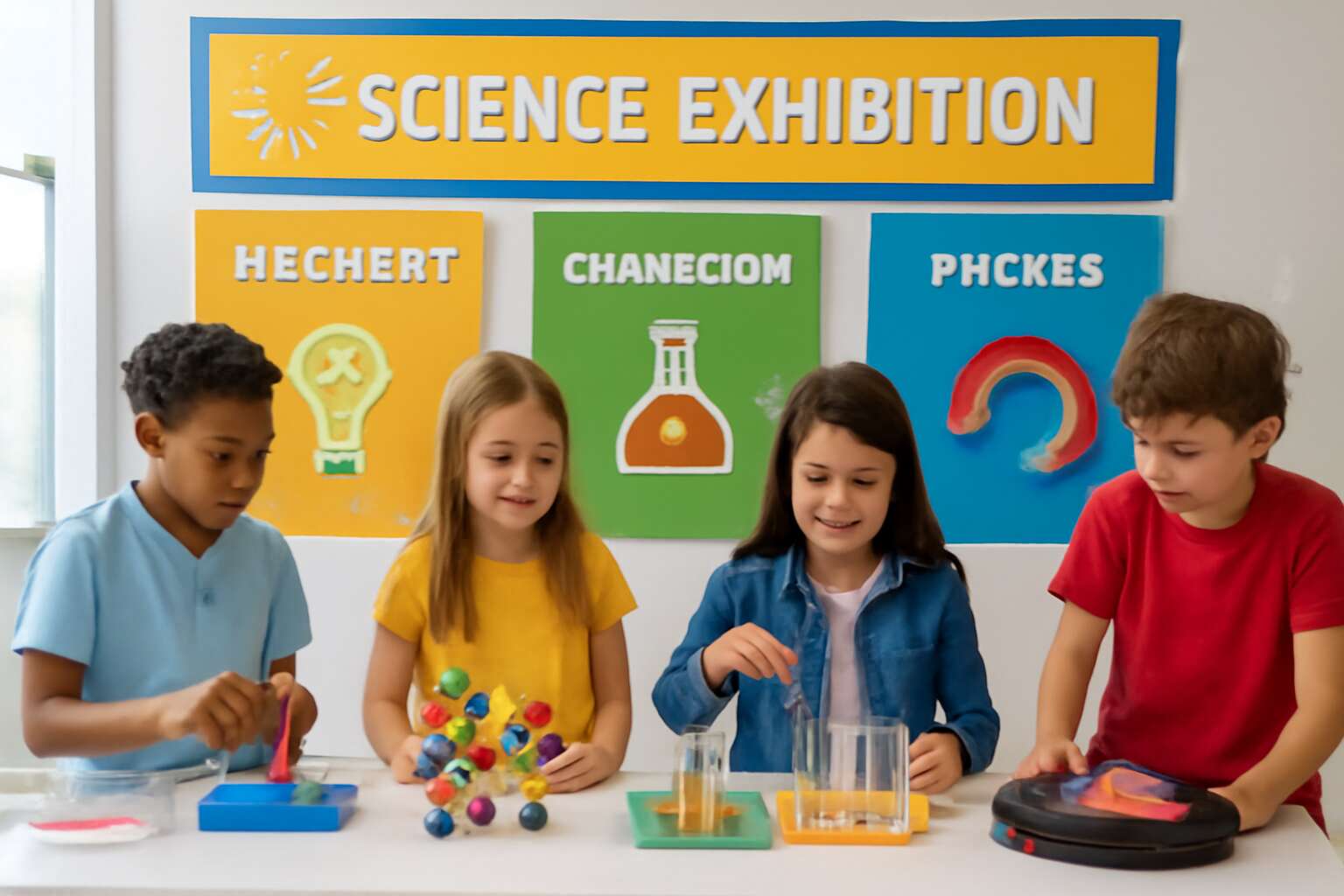
Comprehensive guide to science exhibition concepts
Interactive exhibit concepts
Across South Africa, a well-lit, hands-on exhibit can turn a fleeting moment of curiosity into lasting inquiry. A single immersive display has been shown to boost recall by up to 40%, a stat that echoes through science centres and classrooms alike. This comprehensive guide to science exhibition ideas invites you to choreograph ideas that hum with energy and rigor, drawing in visitors with metaphor and clarity. Imagine curious minds lighting up as they connect the dots!
Consider these interactive exhibit concepts:
- Hands-on experiments that invite visitors to measure, compare, and reflect
- Live demonstrations with safe, scalable experiments
- Interactive data visualisations that reveal hidden patterns
- Citizen science corners where visitors contribute to ongoing projects
When designed with local context—South African ecosystems, climate, and industry—the exhibition becomes a stage where science speaks in human voices.
Thematic and curriculum-aligned ideas
Curiosity travels fast through South African corridors, turning a single display into a daylong inquiry. Studies from learning spaces suggest well-themed experiences lift recall, with gains approaching 40%. A compelling exhibit speaks in human terms, inviting visitors to question, compare, and imagine possibilities beyond the classroom.
This comprehensive guide to science exhibition concepts highlights thematic, curriculum-aligned ideas for science exhibition ideas. Mapping content to CAPS and NSC frameworks while weaving local context—ecosystems, climate, and industry—transforms displays into conversations that endure beyond the visit.
- Thematic strands mapped to CAPS and NSC curricula, with project-based learning hooks
- Story-driven installations that tie science to local contexts—farming, water, mining
- Reflective corners and citizen-science mirrors inviting learner voices and portfolios
These approaches offer a stage where science speaks in local voices, inviting partnerships among schools, centres, and communities.
Audience engagement and accessibility
In every South African corridor, a single exhibit can ignite a daylong inquiry, and recall climbs by up to 40% when a story threads through the display. This comprehensive guide to science exhibition concepts treats audience engagement and accessibility as the living spine of a haunted, luminous idea. Imagine inclusive signage, multilingual captions, audio descriptions, and tactile models that welcome every seeker into the mystery.
Engagement blooms when spaces invite voice and wonder—quiet corners where thoughts murmur, mirrors of citizen science, and partnerships with schools and communities that co-create meaning. Accessibility becomes a living braid: clear pathways, lighting that glows softly, icons and braille, and digital interfaces that resize text without dimming depth. Such design respects every learner’s curiosity and keeps the conversation alive after the lights fade.
For those shaping science exhibition ideas, this blueprint aligns with CAPS and NSC frameworks while weaving in local ecosystems, climate, and industry. A gallery becomes a forum where curiosity travels from the classroom into real South African life, turning visitors into collaborators rather than spectators.
Exhibit design and logistics
A single, well-lit exhibit can turn a five-minute visit into a cascade of questions that lingers for days! For science exhibition ideas, design and logistics are the quiet backbone that makes curiosity travel from gallery floor to classroom and community spaces across South Africa.
Thinking through layout means imagining pathways that invite exploration and safe crowd flow. Modular stands, durable materials, and clear, multilingual signage keep exhibits moving and meaningful. A budget-conscious plan pairs local suppliers with reusable components, reducing waste and cost while allowing rapid reconfiguration for festivals, schools, or pop-up venues.
- Modular, scalable display systems
- Accessible power and climate considerations
- Durable, easy-to-clean surfaces
The operational rhythm matters too: scheduling, staffing, installation windows, and clear roles for volunteers. Rigorous cycle times, maintenance checks, and a simple debrief help refine the experience and extend its impact beyond the lights. The result is not just a display but a mobile forum for science, ready to travel to communities hungry for science exhibition ideas.


0 Comments