Showcase Matches Explained
Defining the Friendly Contest
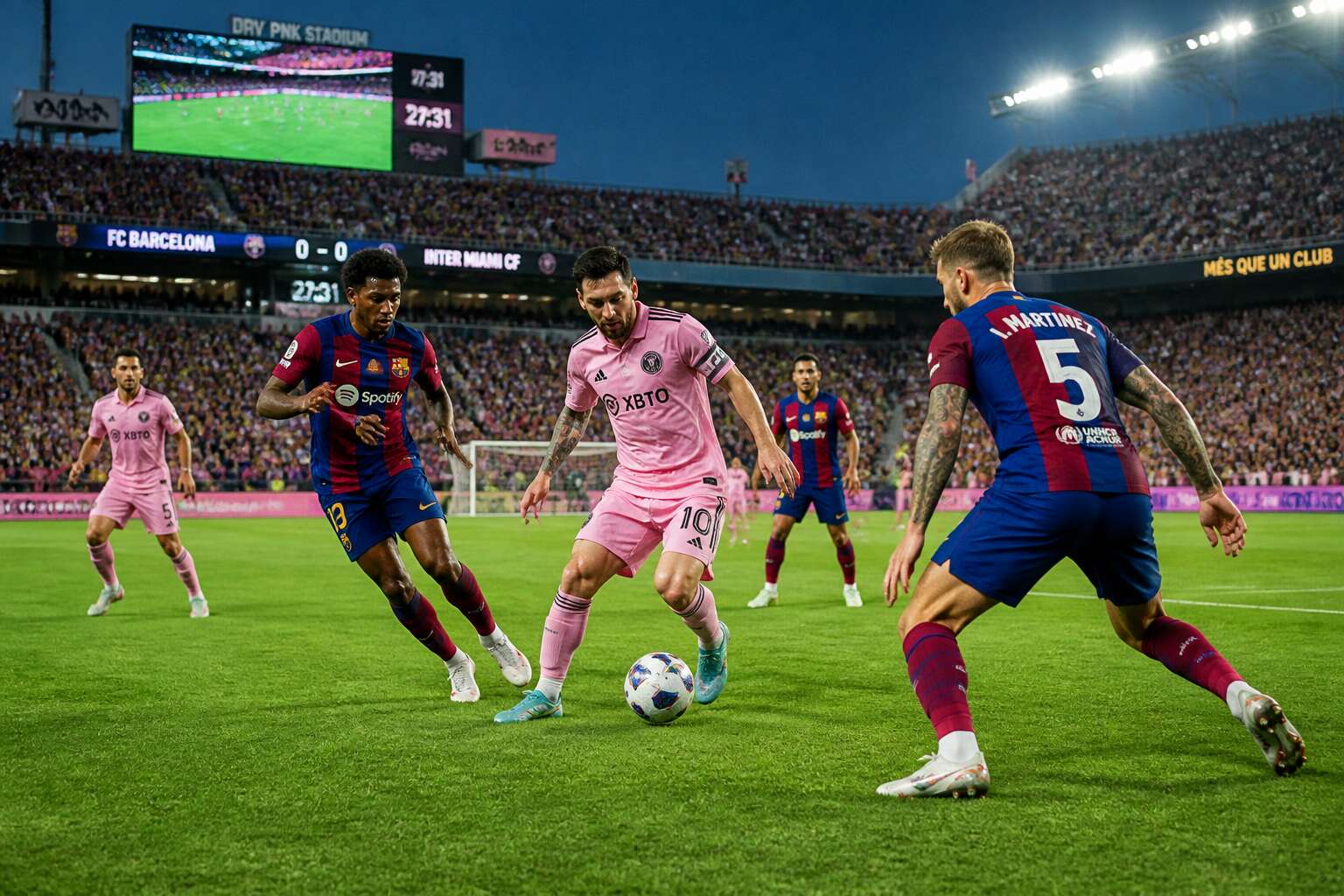
Showcase matches carry a unique energy, one that ordinary league fixtures rarely capture. These contests are structured as a friendly contest, but the stakes feel different. I have watched players smile more, experiment with risky tactics, and engage directly with the crowd.
What defines a showcase match is its intent, not its scoreline. An exhibition game prioritises spectacle over result, giving younger athletes a chance to shine. South African fans understand this well, especially during cricket or rugby tours.
- No relegation pressure
- Mixed team lineups
- Shorter match formats
The format rewards creativity. It is football, but lighter. It is rugby, but looser. Ultimately, the exhibition game remains a celebration of sport itself.
Purpose and Motivation Behind Non-League Play
A single exhibition game can draw 50,000 spectators who know the score will never enter a trophy cabinet. That paradox explains why non-league play matters. Purpose emerges from commercial reality. Clubs use these fixtures to test sponsorships, broadcast rights, and merchandise sales without the weight of relegation.
Motivation runs deeper than money. Coaching staff treat these outings as a chance to test tactical variations, especially when international tours limit regular training. South African rugby sides often rotate their entire pack mid-match to observe scrum dynamics under fatigue.
- Players recover their rhythm after injury
- Fringe squad members earn selection evidence
- Veterans try unorthodox roles
Fans participate in the motivation too. They pay for proximity, not penalties. This format strips away fear of failure, so spectators see genuine ingenuity. That is the simplest reason for every non-league fixture.
Scheduling and Rule Variations
One showcase fixture in Durban once paused for eleven minutes while officials debated a new substitution rule, and nobody complained. That is the strange freedom of an exhibition game. Scheduling these events is a delicate act, often placed in the gap between rugby tours or near the tail end of the domestic season. Clubs negotiate for stadium availability, broadcast slots, and player release clauses, all while knowing the result is secondary.
Rule variations multiply under this flexibility. Matches may reduce to 60 minutes, with rolling replacements every quarter. Some organisers introduce bonus points for specific try origins, like a driving maul or a counter-attack from your own half. These tweaks change how referees apply the laws, and every exhibition game offers a fresh chance to test these rules.
- Four-minute power plays after a yellow card
- Unlimited substitutions with a sin bin exit
- Golden point overtime only for scoring tries
Spectators watch the sport operate under unusual rules, and that unpredictability drives ticket sales.
Key Differences from Competitive Fixtures
A single missed tackle in a league game can decide a season. An exhibition game carries no such pressure, replacing anxiety with a focus on tactical growth. This freedom changes the psychology of the match. Coaches frequently field second-string combinations, using the time to test defensive structures against unfamiliar attacking shapes without the fear of dropping points.
The operational differences are stark:
- Expanded matchday squads allow more players to see meaningful action.
- Penalty counts often stay low to keep the contest flowing.
- Result-based changes, like scrums, are rehearsed without desperation.
For the South African supporter, this creates a unique viewing experience. You watch players take risks they would never attempt in a Currie Cup final. The atmosphere buzzes with curiosity rather than anxiety, offering a rare glimpse into the future potential of the team. There is always a sense of discovery.
Common Formats of Showcase Sports Events
Pre-Season Warm-Up Fixtures
Across the Highveld and the Cape, pre season warm ups take shapes as varied as the towns that host them. A regional derby draws farmers and factory workers to the same grandstand. An international side may stop in Johannesburg or Gqeberha for a two match exhibition game. Smaller clubs often arrange split squad outings against university teams. Others travel to platteland towns for a single fixture, testing themselves in quiet, honest surroundings.
Common formats include:
- Three team round robin tournaments played over one weekend
- Single leg fixtures combined with extended training blocks
- Behind closed doors sessions used for tactical experimentation
Each format earns its place. I have stood on a dusty touchline in the Free State, watching a young flanker fight for a starting jersey. The scoreboard carried little weight. What mattered was the effort coaxed from weary legs and the clarity it brings to team selection. A well managed exhibition game reveals what needs work, before the league season starts.
Star-Studded All-Star Games
When the league falls silent, the all-star showcase takes over the floodlights. These exhibition game formats gather the sport’s most luminous names into one arena, often for a single night of spectacle. The crowd arrives for the flash, but the players know a deeper truth: reputations are quietly rewritten in these encounters.
Star-studded fixtures typically follow a few structures:
- A North versus South selection, splitting the country’s finest by geography
- A veterans side against a rising talents squad, testing age against ambition
- An international invitational team touring a host city like Cape Town or Durban
Each structure carries its own mood. The selection process becomes theatre, with captains drafting from a bench of legends. I have watched these nights where careers are remembered less for trophies and more for the audacity of a single pass under the floodlights. The exhibition game rewards bravery more than scorelines!
Charity Benefit Matches
Charity benefit matches turn the exhibition game into a fundraiser that rallies a community. These fixtures often pair retired legends with current stars, giving supporters a rare chance to see their heroes share a pitch. The format may feature a timed two halves, a penalty shootout for fun, or a celebrity team facing a professional side.
A typical lineup here might include:
- Advance tickets sold with a portion going to a local hospital.
- A player auction where fans bid on a signed jersey.
- A half time challenge that invites the crowd to join.
The beauty of these events lies in their purpose. The scoreline becomes secondary to the funds raised and the families helped. In towns like Gqeberha or Polokwane, this single event can fill a small stadium and leave a lasting memory.
Cross-Country International Tours
A cross-country international tour is a different beast. It compresses weeks of preparation into a few burning days. I have watched squads travel from Johannesburg to Cape Town, playing an exhibition game in each province to test fitness and morale. The travel itself becomes a separate test of endurance.
The format usually involves three or four stops, each against a local side. A typical itinerary might look like this:
- A midweek match in a smaller city like Bloemfontein.
- A marquee weekend fixture in Durban or Gqeberha.
- A public training session between the two.
These tours create a bond that a single stadium cannot. The crowd in Polokwane brings a different energy than the one in Port Elizabeth. Every exhibition game offers a different measure of the visiting team’s character.
Nostalgia-Filled Retro Contests
Few sights stir the heart like old rivals meeting once more. Retro contests trade urgency for reverence, allowing legends to rewrite their final chapters. Greying heroes receive the ovations they earned decades ago.
An exhibition game of this kind does not pretend to be definitive. It is a conversation between generations. A provincial greats side might line up against a touring select team, turning memory into live performance. Every pass revives a moment the crowd once cherished.
A well run retro event usually includes:
– A legends versus current stars matchup
– A replay of a famous final with surviving players
– A half-time presentation honouring past captains
These gatherings in South Africa reveal a curious truth. Spectators cheer for the name on the back, not the badge on the front. A retro exhibition game offers a rare communion with the sport’s history.
Economic and Social Impact of Friendly Fixtures
Generating Revenue and Ticket Sales
In 2023, a marquee exhibition game in Cape Town generated over R40 million in direct spending. Ticket sales and travel packages amplify each other, turning a quiet week into a commercial event. I have watched hotel lobbies overflow and local eateries run out of tables.
- Matchday hospitality hires temporary staff
- Public transport operators add extra routes
- Nearby retailers report 30% higher sales
The social impact is equally strong. Families who skip regular league games attend these friendlies for the relaxed vibe. Youth players watch international stars up close, and community events often spring up around the fixture. This blend of commerce and connection makes the event a unique economic driver.
Engaging Fans Across the Globe
An exhibition game often reveals its real impact after the final whistle. Fans from different continents swap scarves in the stands, trade stories in narrow alleys, and discover that football needs no translation. In my experience, these moments forge connections that last longer than any scoreline.
When the fixture crosses time zones, it carries the host city into millions of homes. A club from Manchester becomes familiar in Johannesburg; a South American legend gains admirers in Durban. The match becomes a reason for cultural exchange.
– Supporters from abroad turn a single fixture into a recurring journey.
– Local schools host football clinics run by visiting players.
– Street vendors learn new languages from the influx of visitors.
This is the social architecture of the modern exhibition game, where every pass creates a new story.
Strengthening Club and Brand Identity
When a visiting side touches down in Johannesburg or Cape Town, the financial impact extends far beyond the turnstiles. I have seen an exhibition game become a catalyst for local enterprise: hotels fill, transport operators run extra shifts, and informal traders find a surge in demand. The social ledger matters just as much! A friendly fixture can leave a lasting footprint when clubs engage with the community, strengthening their brand identity as a civic partner rather than a distant corporation.
Consider the quiet mechanisms that turn a single match into durable value:
- Local authorities invest in pitch upgrades and public infrastructure.
- Community outreach programs, such as youth coaching, create long-term goodwill.
- Merchandise sales spike in new territories, embedding the club into daily life.
That is how an exhibition game transforms a temporary event into a permanent identity, one handshake and one street corner at a time.
Community Outreach and Social Causes
When a visiting team lands, the local economy stirs in visible ways. Cafes fill, shuttle services run extra routes, and informal vendors report brisk trade. An exhibition game often carries a philanthropic thread, with ticket levies supporting health campaigns or school sports programs. I have seen a friendly fixture spark donations that fund equipment for underprivileged clubs.
Community outreach deepens this effect. Coaching clinics led by visiting players leave skills behind. Local charities gain visibility, and volunteers build networks. The social return is measurable!
- Job creation for event staff and security
- Increased patronage for nearby businesses
- Publicity for regional non-profits
These outcomes transform a single match into a shared asset, one that strengthens social ties without relying on long-term commitments.
Amplifying Local and Global Media Coverage
When a friendly fixture draws cameras, the effect extends beyond the stadium. A single exhibition game can place a host city in international headlines, triggering interest from travel writers and business delegations. This amplification converts fleeting attention into measurable economic activity.
Local outlets often document the behind the scenes logistics, while global broadcasters capture the spectacle. The result is a dual narrative. One for domestic audiences, another for overseas markets. For emerging venues, this exposure is significant.
- Increased hotel bookings from visiting media crews
- Long term tourism queries from broadcasted match highlights
- Sponsorship inquiries from brands observing the audience reach
Socially, shared viewing experiences foster a sense of collective identity. Neighbours gather at public screens, and expatriates reconnect with their roots through live feeds. This fixture thus serves as a cultural bridge, uniting communities across time zones.
Friendly Games Across Major Sports
Football Friendlies Around the World
The international break exerts a peculiar gravity over the footballing world. These are not trophies, these are not points, these are performances with no ledger. An exhibition game under the Highveld sun carries a different weight, a significance that league tables cannot measure. The crowd hums with a low, expectant vibration. I have stood in the FNB Stadium for such an exhibition game, watching the rain soak the pitch as players moved through their drills with an almost ceremonial slowness.
Coaches use these moments to inspect the depth of their squad. They test the untried, the weary, and the hopeful. The true currency here is revelation, not victory. For the fans, it is a chance to see a star without the protective structure of league tactics. Sometimes, the stakes are whispered in the stands:
- the starting berth
- the young debutant’s nerve
- the veteran’s last hurrah
And so, the whistle blows, and the match begins, leaving fragments of memory for the devoted.
Basketball Exhibition Tours
When a basketball exhibition game fills a 20,000 seat arena in Cape Town, the true contest begins in the shadows of the locker room. I have seen veterans study rookies during warmups, each pass a silent negotiation for respect.
- the unreported minutes of second unit players
- the quiet anger of a star benched for rest
- the small victories of defensive stops
These tours strip away the protective layers of league tactics. A missed shot echoes longer because no statistic absorbs the error. The crowd feels this weight, and their murmurs become the only scoreboard that matters. For the players, every possession carries a private meaning, a fragment of self doubt or a spark of renewal.
Hockey Showdowns
The hockey exhibition game has always carried a peculiar tension. When NHL sides cross the Atlantic to meet European club teams, the ice surface itself becomes a negotiation point. Olympic dimensions against NHL width, a subtle shift that changes every angle and every breakout pass.
Fans in places like Pretoria or Cape Town rarely see these matchups live, yet the appetite for them grows. The physicality remains, but the rulebook softens. No one wants a season ending injury in a friendly, so players skate with a half second of hesitation that discerning eyes notice.
- Fewer penalties called, allowing flow to dictate the night
- Longer bench rotations, giving prospects a genuine look
- Shootout formats that treat the crowd to a finish
That hesitation is the quiet signature of every exhibition game, a reminder that the scoreboard matters less than the stories told in the handshake line.
Regional Approaches to Non-Competitive Matches
North American Spectacles
North America approaches the exhibition game with a commercial energy rarely seen elsewhere. These contests are engineered as full-scale entertainment, where the spectacle matters as much as the score.
Regional differences emerge in how leagues market these events. Teams often choose non-traditional venues to expand their reach, resulting in a distinctive pattern of play:
- NHL outdoor games in football stadiums
- NBA matchups in European and Asian cities
Fans attend for the atmosphere and the novelty. This approach gives the fixture a polished, product-like quality, influencing how other continents structure their own non-competitive matches.
European Football Traditions
In Spain and Italy, the exhibition game carries a weight that has little to do with commerce. Clubs stage these fixtures in provincial towns, offering local supporters their only chance to see senior players in person. The atmosphere feels familial, and managers treat these ninety minutes as a testing ground for academy talent. I find this approach particularly telling.
Some traditions stand out as distinctly European:
- The La Coruña summer tournament, which invites international sides to a coastal setting
- English clubs holding closed warm-ups at lower-league grounds
This regional texture contrasts with the polished arena shows found elsewhere. For South African readers, observing these preseason friendlies reveals a slower, more deliberate purpose, one rooted in belonging rather than spectacle.
Asian Market Expansion
Across Asia, the exhibition game has become a bridge between distant leagues and devoted local fanbases. The commercial energy here is unmistakable, yet it carries a regional texture that differs sharply from European traditions. In Japan, clubs stage these matches with meticulous organisation, often pairing local sides with international visitors for summer festivals. China’s market demands marquee names, while Southeast Asian nations welcome European giants with a warmth that feels almost ceremonial.
Three patterns define this expansion:
1. Pre-season tours that double as cultural exchanges
2. League-sanctioned friendlies tied to broadcasting deals
3. Single-city festivals that showcase multiple clubs over a weekend
For South African observers, these Asian approaches reveal how the exhibition game adapts to local expectations. The spectacle is real, but so is the sense of invitation. These matches create belonging through proximity, giving fans a rare glimpse of stars who normally appear only on screens.
Latin American Passion
Latin America approaches the exhibition game with a passion that Asia’s polished productions rarely match. In Buenos Aires and São Paulo, these matches feel less like marketing exercises and more like neighbourhood celebrations. The terraces fill with drums, the chants begin early, and the players respond with theatrical energy.
Distinct rituals shape the experience:
- Samba bands performing from behind the goals
- Supporters continuing their songs well past the final whistle
- Youth players given licence to express themselves without fear
For South African observers, this version of the exhibition game carries a familiar warmth. I have watched these fixtures turn ordinary evenings into celebrations. The event becomes a genuine gathering where supporters and players share the same space. The result matters less than the collective experience.
The Future of Non-League Showcases
The Rise of Esports Exhibitions
An exhibition game no longer needs a stadium. In Sandton, thousands pack a venue for a virtual football match, where teams compete on screens. The energy feels identical! This shift is redefining non-league showcases across South Africa, as brands and clubs adopt streaming and virtual reality to reach supporters who cannot attend in person.
Esports exhibitions are growing. I have watched local tournaments mimic professional friendlies, with scheduled breaks and commentary. Several factors drive this growth:
- Broadband penetration improving despite load shedding.
- Sponsors seeking direct access to digitally native audiences.
- Game developers localizing for African languages.
Physical fixtures remain valuable, but the future blends both formats, letting a fan in Durban share a moment with someone in the front row.
Virtual Reality Fan Experiences
Virtual reality is reshaping the non-league showcase. A supporter in Soweto can stand on the touchline of an exhibition game played in Johannesburg, without leaving their living room. That is the reality emerging in South Africa as broadband improves despite scheduled power cuts.
Local event organisers have started deploying VR booths at football friendlies, allowing fans to switch between player perspectives. I tried one such setup. The delay was acceptable,andethe audio created genuine presence. Sponsors areevaluating click-throughs-and dwell time,metrics that matter inthis market.
Physical fixtures will survive,butvirtual access extends their lifespan. An exhibition game becomes a persistent event,active for weeks after the final whistle.
Sustainability Efforts in Event Planning
In 2025, a single friendly in Cape Town diverted 89% of its waste from landfills. That figure should unsettle every promoter in the country. The exhibition game has always been the budget option compared with league fixtures, but its environmental footprint is now under scrutiny. Event planners are rethinking logistics, from transport to catering.
Water presents the quiet challenge. Groundskeepers use recycled grey water for pitch irrigation, and vendors have swapped single-use plastics for compostable fibre. I watched a stadium crew sort waste into twelve streams, a process that added fifteen minutes to the post-match teardown. Nobody complained.
- Solar generators power floodlights during load-shedding windows
- Digital tickets replace printed stock, cutting paper use by 70%
- Local food suppliers shorten delivery routes, reducing diesel burn
These choices cost money upfront. But the exhibition game can absorb that cost because it already runs on a tighter budget, forcing creative solutions. The future belongs to events that measure success in carbon units alongside attendance.


0 Comments